

Scientists Just Linked Two Quantum Computers With “Quantum Teleportation” for the First Time and It Changes Everything
The future of computing might not be one giant quantum machine but many linked together.
The future of computing might not be one giant quantum machine but many linked together.

Quantum computers powerful enough to break public-key encryption are still years away, but when it happens, they could be a ...

This quantum processor completed a complex task in a little over an hour -- about 60,000 times faster than a ...

The findings may prove to be revolutionary.

Google claims that its quantum processor solved a problem in 200 seconds, whereas a normal machine would have taken 10,000 ...

Quantum computers may be decades away but that doesn't mean we shouldn't prepare for their disruptive impact.

A step closer to quantum computers.

"It's amazing no-one had thought of it before," said one of the scientists involved.

Prepare for some quantum madness.
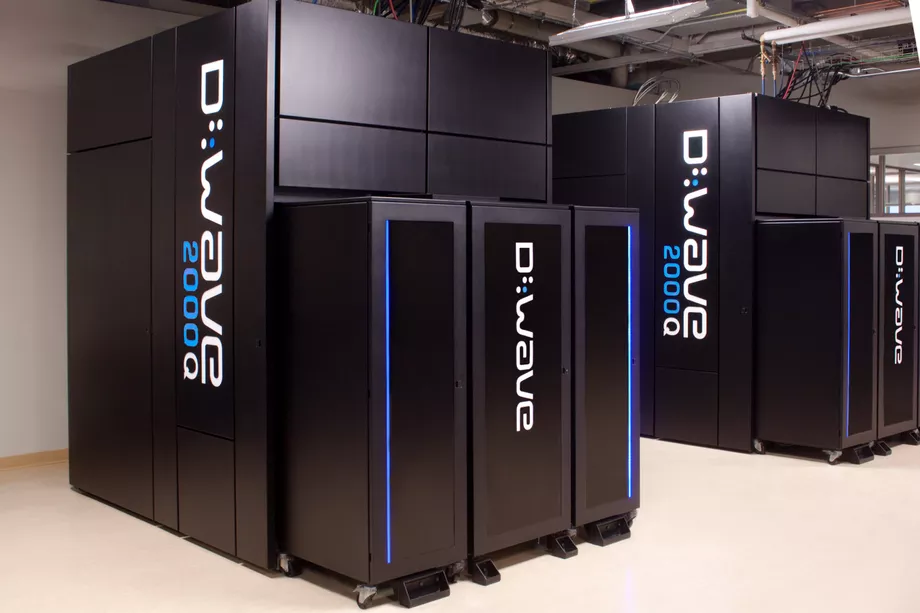
No everyone is convinced this machine can actually perform quantum operations, though.
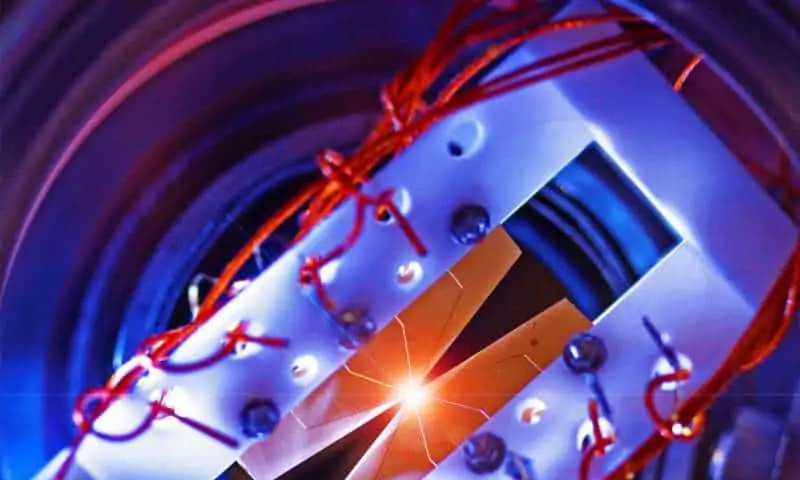
For the first time, a team of researchers claims it's made a fully programmable and reconfigurable quantum computer module.
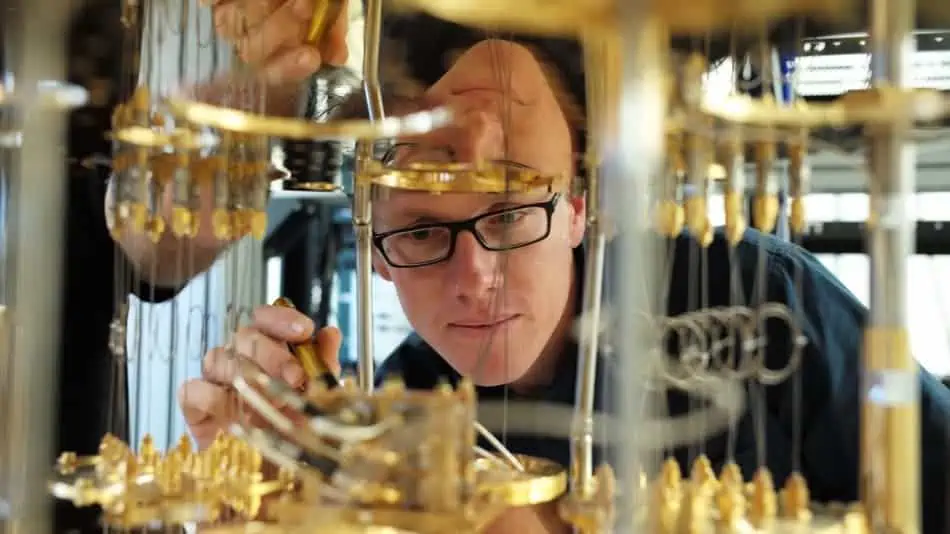
Quantum computing is still in its infancy, but you can test drive it yourself thanks to IBM.
Using only five atoms, a team of international researchers showed how to factor a prime, albeit a trivial one for ...
University of New South Wales devised a two-qubit system inside a silicon chip and ran a computer code adapted to ...

Quantum computing is one of the future's transitional technologies destined to transform human society, along with advanced materials like graphene ...

Today, Intel announced a 10 year collaboration with Delft University of Technology and TNO, the Dutch Organisation for Applied Research, ...

Researchers at ETH Zurich "squeezed" the quantum states of a calcium ion to make it easily distinguishable, i.e. they measured ...

Princeton researchers demonstrated a novel type of microwave laser - called a maser - so small that's the size of ...
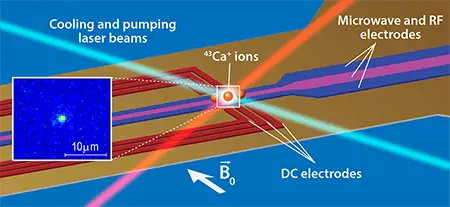
Who would've thought only a decade ago that quantum computers would become real in the upcoming future? Those of us ...
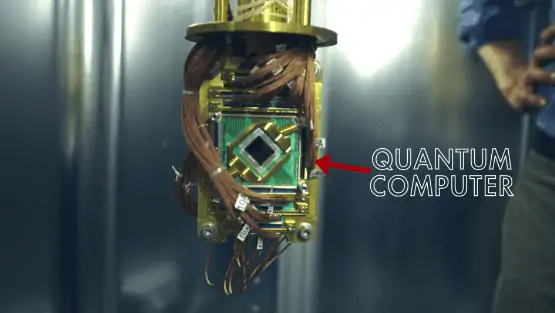
A 20-year-old algorithm that demonstrated the benefit of using quantum mechanics to solve certain problems has finally been run on ...
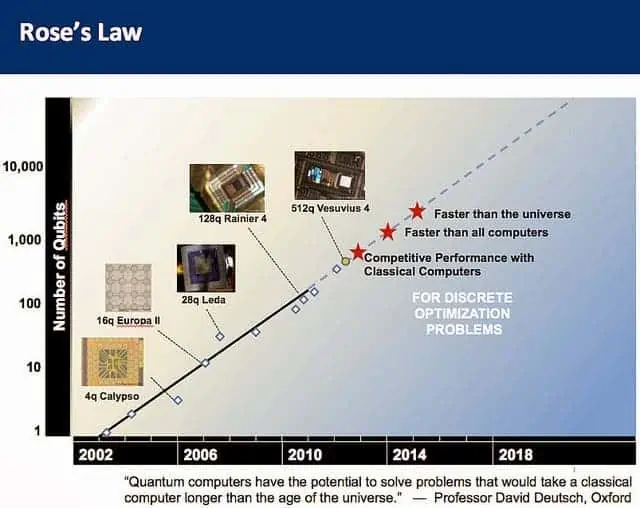
D-wave officials alongside one of their computers. Photo: Steve Jurvetson A lot of hype has been going D-Wave's way in ...
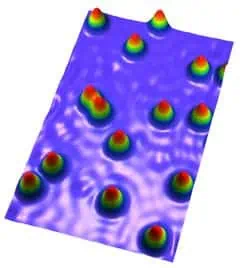
There's only so much you can cram into conventional magnetic storage devices. We're already seeing these slowly, but surely lose ...
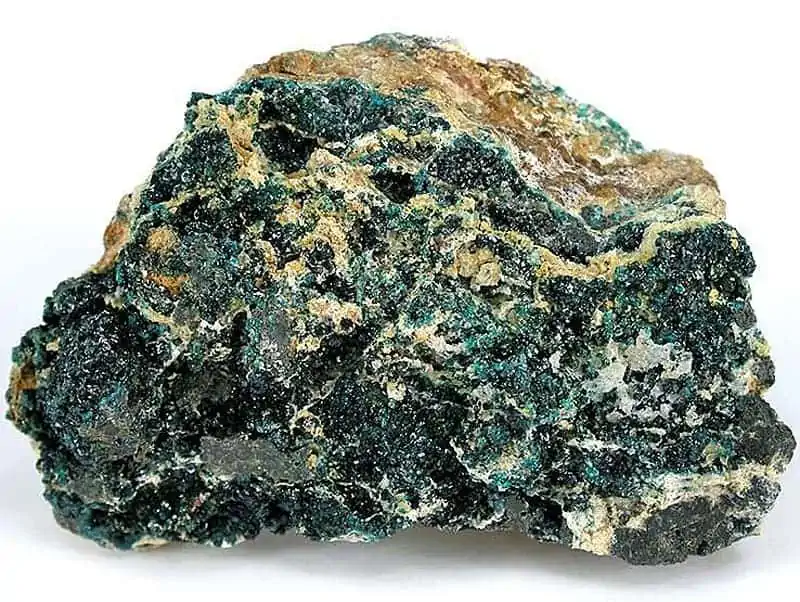
Using low-frequency laser pulses, a team of researchers has carried out the first measurements on a mineral called herbertsmithite. This ...

Theoretical Physicists John Preskill and Spiros Michalakis sat down for a short talk in which they describe how quantum computing ...
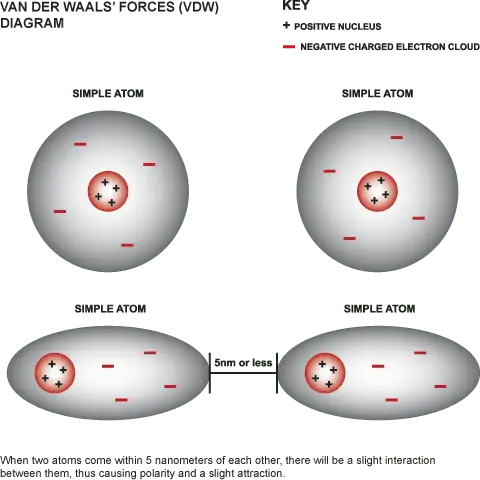
Scientists at the Laboratoire Charles Fabry (LCF) in Palaiseau and the University of Lille have for the very first time performed ...
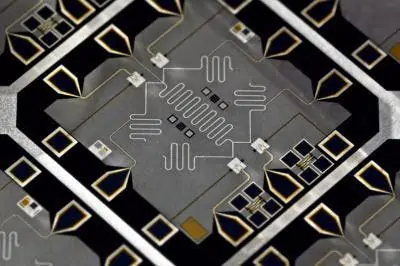
If you did intermediate math in school, then you'll most likely remember how to split numbers into prime factors; basically, ...
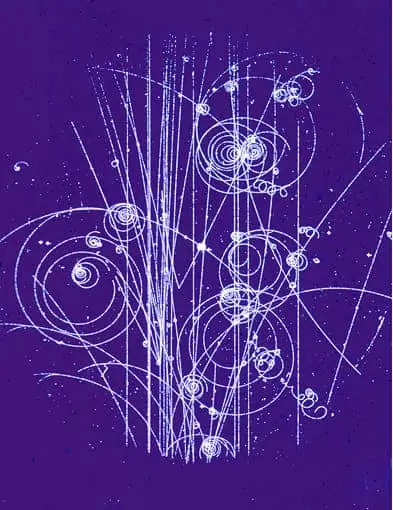
Effective quantum computers are still far away, but researchers are already showing more and more advantages these devices would bring ...
Quantum technology is the future, no doubt. The impact of computing devices based on quantum effects finally entering service would ...
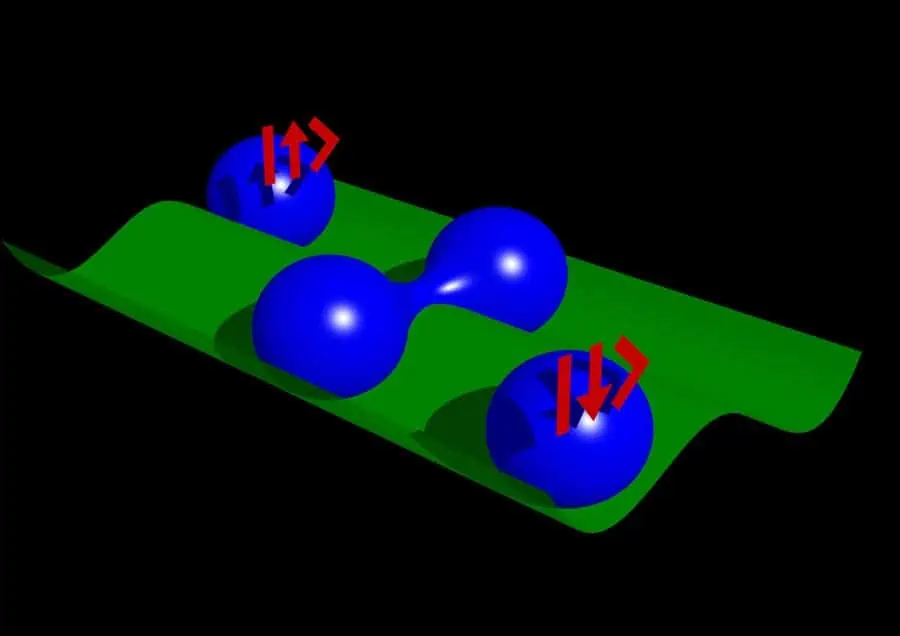
Hailed as yet another big step towards devising working quantum computers, scientists at Ruhr-Universität Bochum (RUB) have successfully managed to generate quantum ...
During the past months we've been reporting several breakthroughs in the field of quantum computing, and now IBM seems ready ...
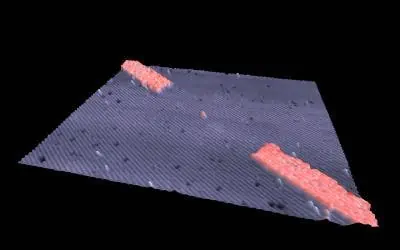
3D perspective of a single-atom transistor. (C) RC Centre for Quantum Computation and Communication, at UNSW. Australian scientists at University of ...
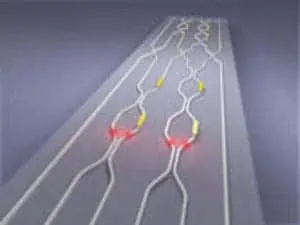
Scientists at University of Bristol's Centre for Quantum Photonics have remarkably managed to create a multi-purpose optical chip capable of ...

Physicists from Rice University have made an important break through in the field of quantum computing, after creating a tiny ...
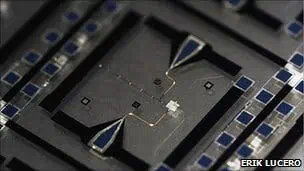
Quantum computers - closer thank you think The microprocessors used today are absolutely amazing on their own; it seemed, ...

Researchers from the Oxford University have outdone themselves, successfully generating 10 billion bits of quantum entanglement in silicon for the ...
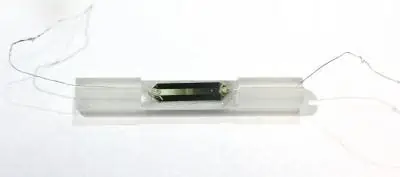
In case you're wondering, what you're looking at is a silicon chip, only 1 millimeter square that was used by ...


