

Dust floating inside the International Space Station is contaminated with potentially harmful chemicals
New study exposes alarming contaminants aboard the ISS.
New study exposes alarming contaminants aboard the ISS.

Private space flight is up for a new important milestone.

Everybody is fine and we've put it back in place.

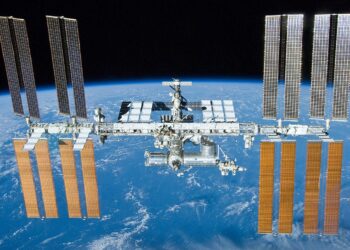
From this vantage point, the ISS looks like a X-Wing fighter from Star Wars.

Space: the final petri dish.

The crew was in no danger but the ISS is showing its age.

Hopefully it will be fixed soon.

Even though they might be exposed to outer space for years, bacteria can still survive on the surface of a ...
It can covert radioactive energy into chemical energy
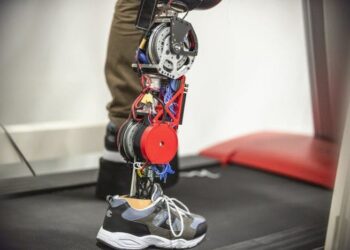
The leg regenerates the battery every time it touches the ground. It's also much quieter than existing prosthethics.

The findings suggest that astronauts can safely grow leaf vegetables in space -- or at least lettuce for now.
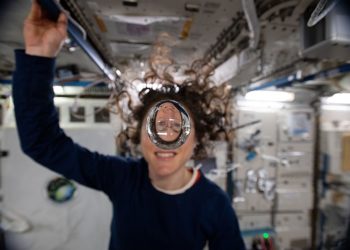
Bacteria have made their way to the space station's water, but there's no reason to fear.

If you want a seat, you'd best save up $50 million by 2024

The wine is part of an experiment on aging that could improve food storage in the future.

A group of researchers at NASA is preparing for the final steps to launch the Española chile pepper into space ...

Could this be the key to ensuring that the ISS lives long and prosper?
That looks like a lot of fun!

Don't be quick to blame NASA for this though!

"Watch out, America!"

Glue and duct tape saved the day...

Few problems will persist after a generous application of stabbings.

It should be ready by the mid-2020s.

Because it would be dumb.

It's the earliest date this is possible but this could leave American astronauts stranded on the ground.

We really do contaminate everything we touch -- and space is no exception.

Microbes seem at home in the space lab.

NASA just wins, can everyone stop with the fidget spinner videos now?

No reason to worry, just an 8-ton space station crashing down on Earth.

It's the best place to get lost -- and trust me, you will.

One small step for bread, one giant leap for mankind.
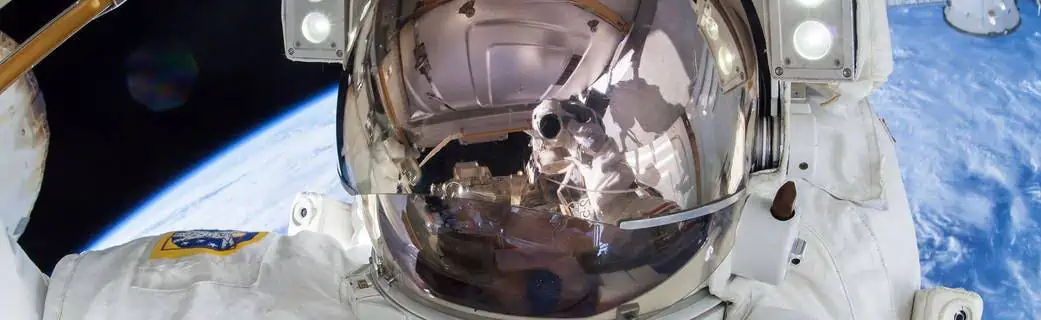
Astronauts will be installing a new module on the ISS for space taxis.
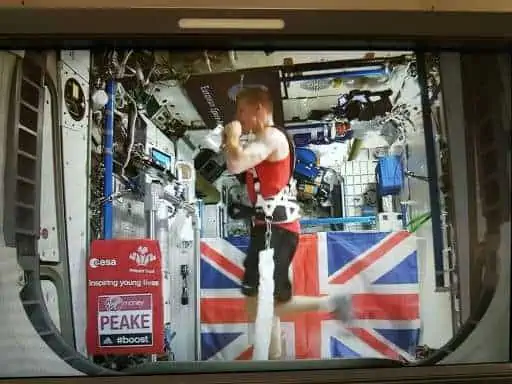
British astronaut Tim Peake ran the London Marathon on a treadmill aboard the International Space Station.
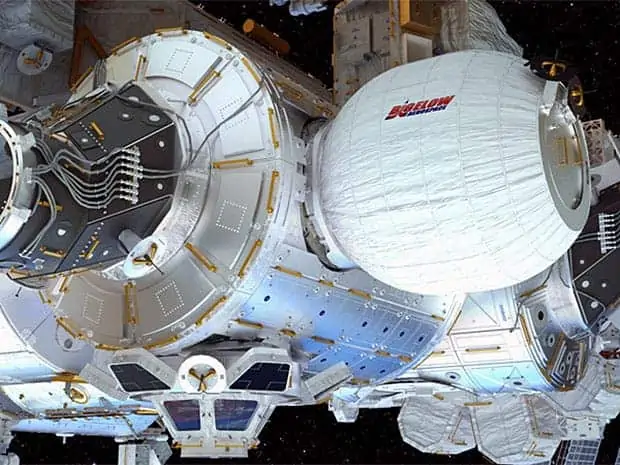
Beam is basically a huge inflatable structure which is easy to carry and provides ample living space for astronauts once ...
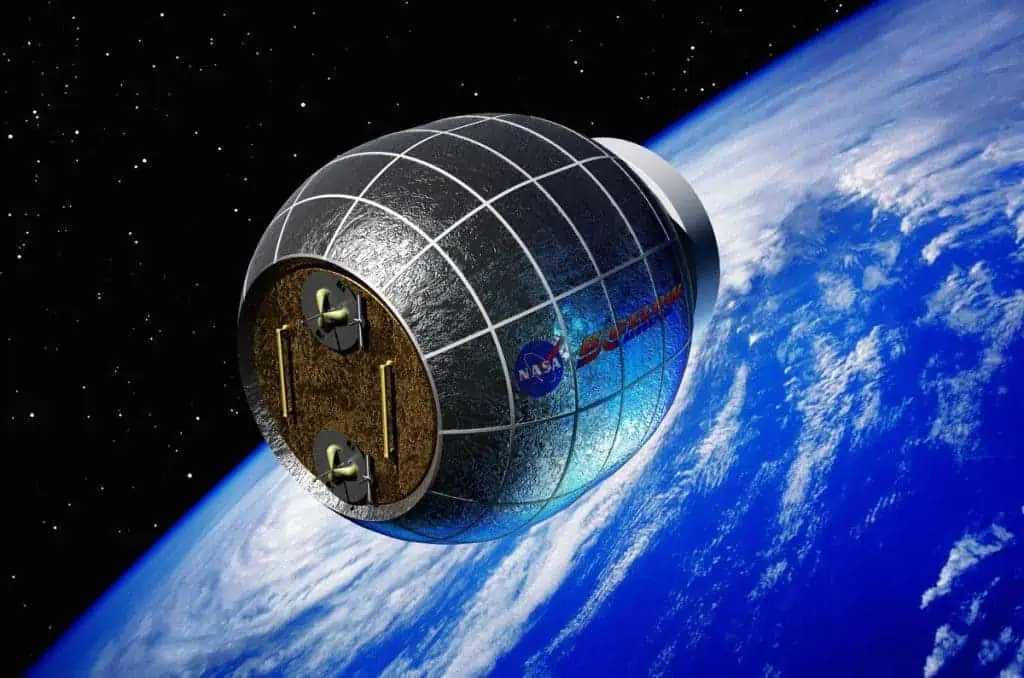
SpaceX will launch as early as April 8 an inflatable habitat module destined for the International Space Station.
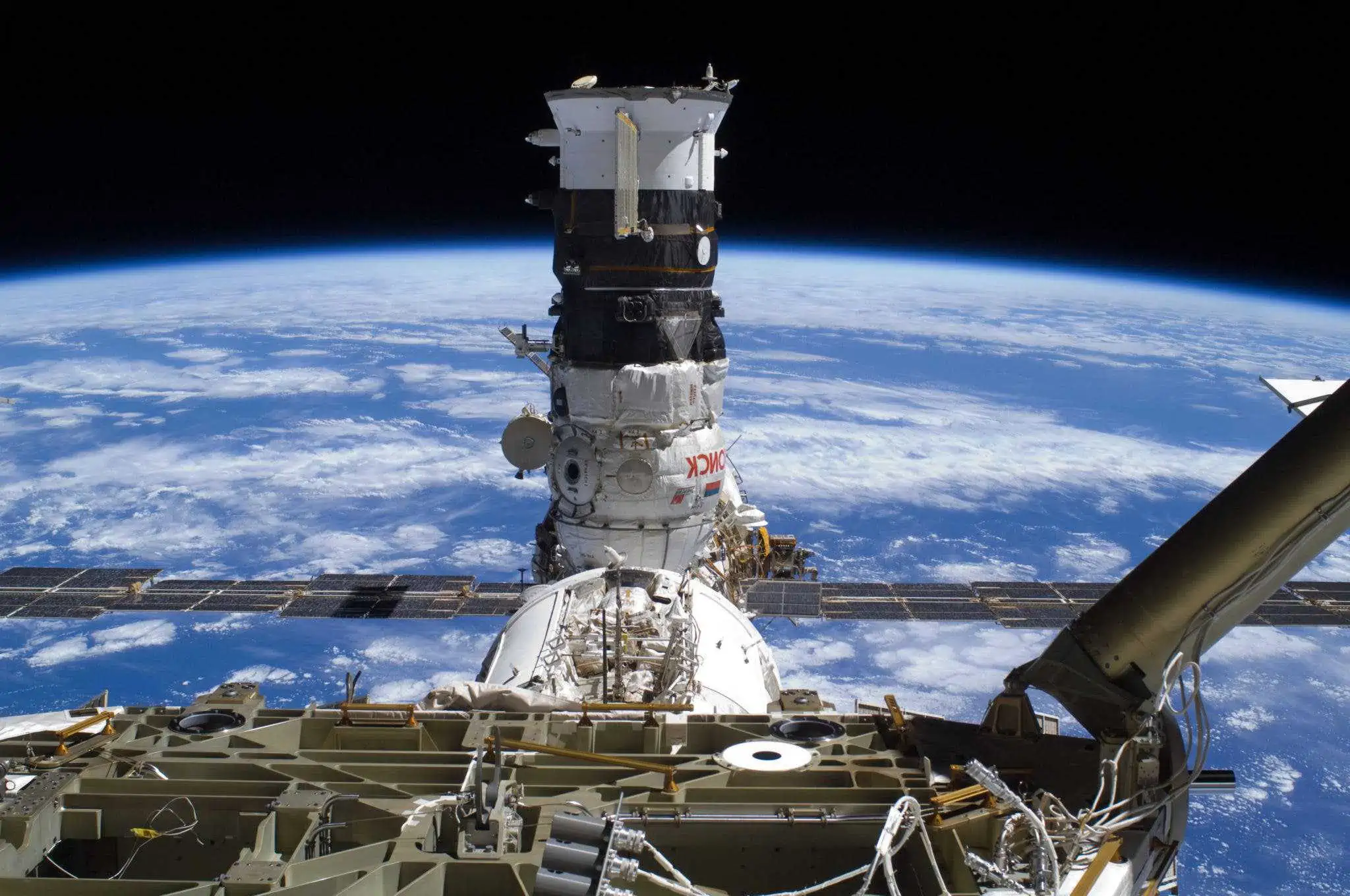
When researchers started raising 48 bacteria species aboard the International Space Station, they weren't really sure what to expect. They ...
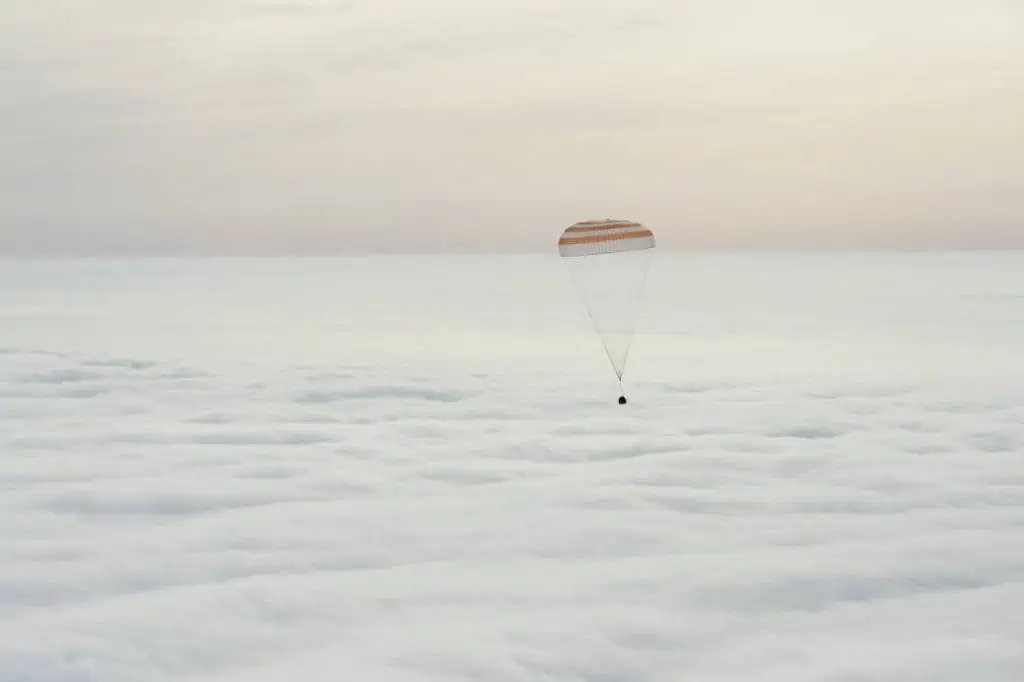
Astronaut Scott Kelly returned to planet Earth on Thursday, after a landing in which everything went smoothly, as expected.
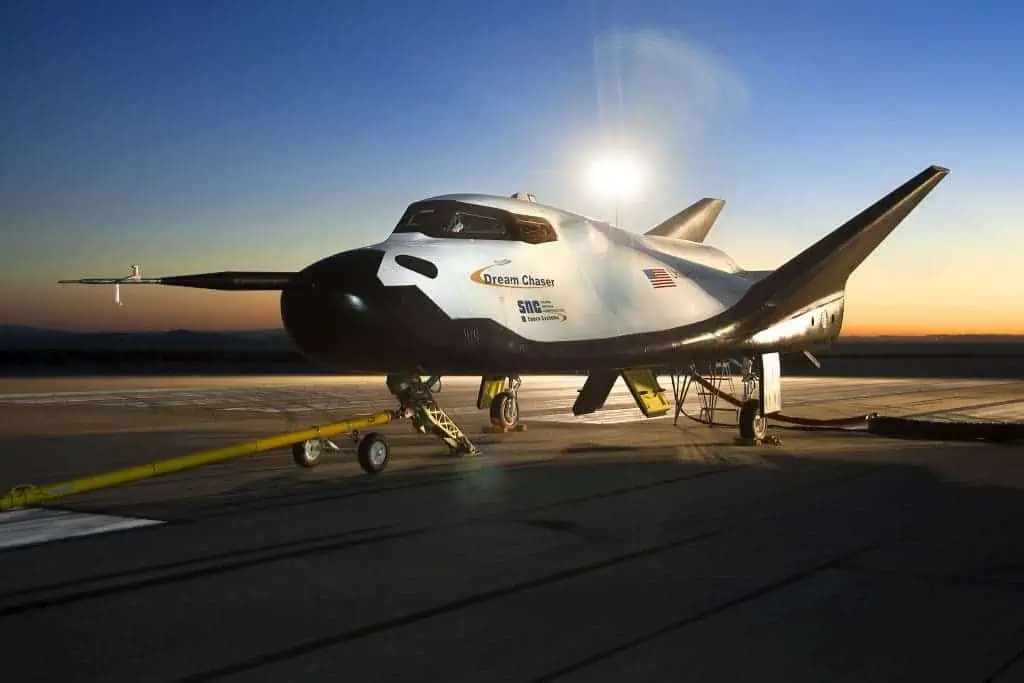
There's a now a third private space entity that's been screened and granted permission to ferry cargo to and fro ...
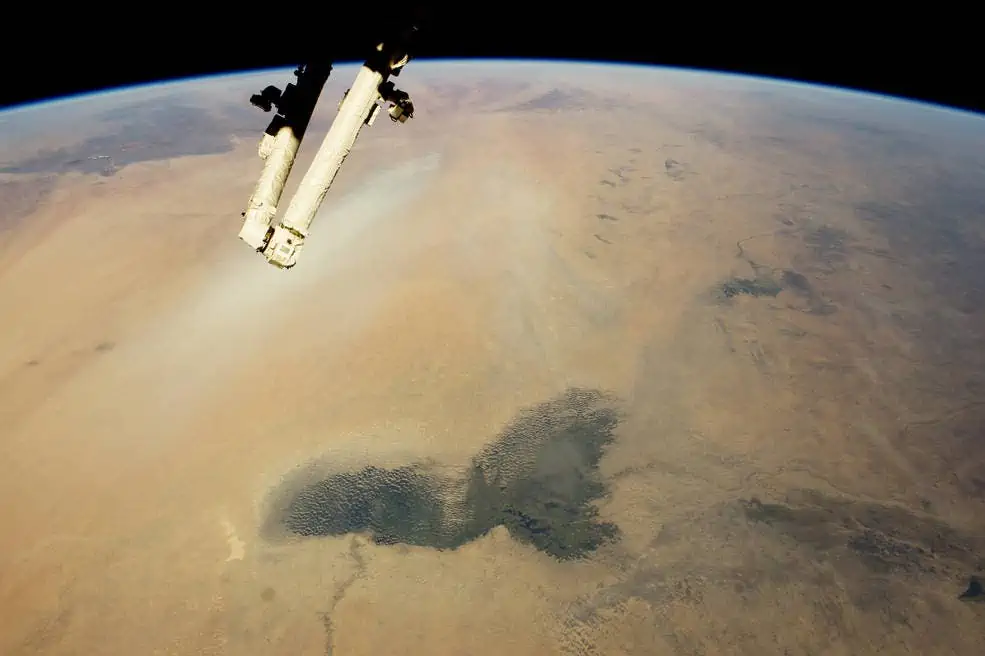
NASA just released their famous pictures taken from the International Space Station in 2015. The images were shot by astronauts ...
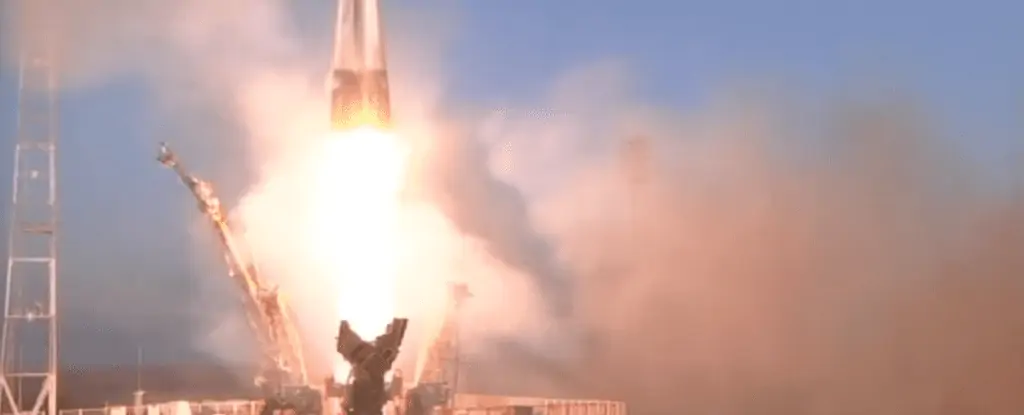
For the first time in history, the UK has a representative on the International Space Station. This morning, British astronaut Tim ...
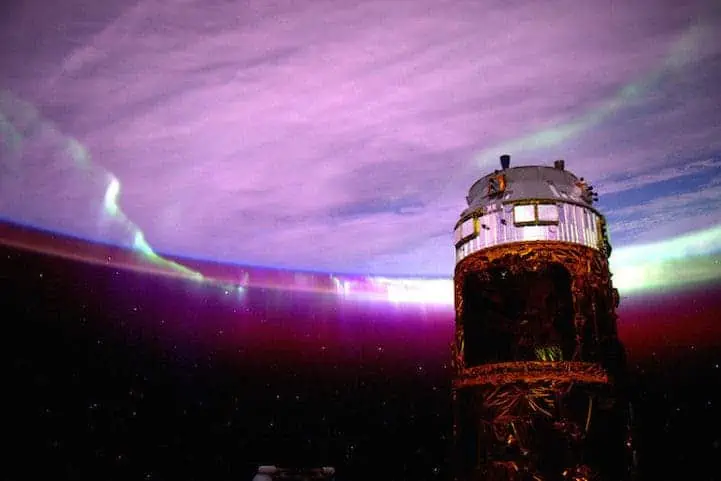
Veteran astronaut Scott Kelly launched in March, 2015 aboard a Soyuz rocket for a record breaking one-year stay at the ...
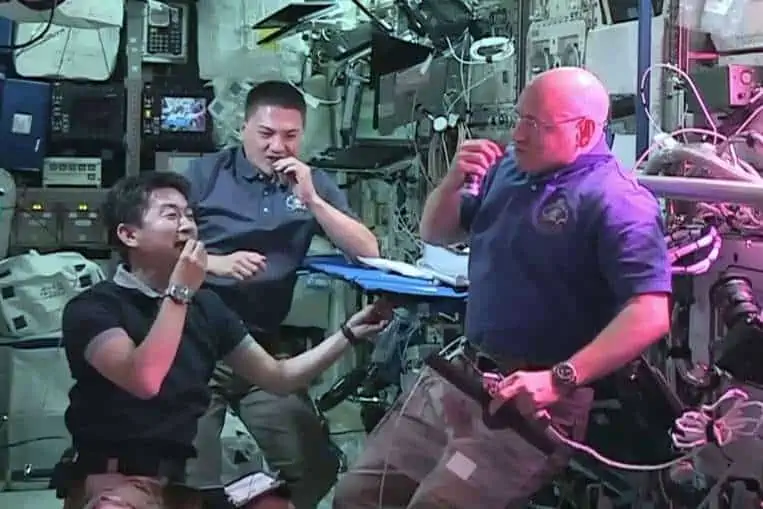
As we were telling you yesterday, astronauts aboard the International Space Station were preparing for the first meal that involved ...
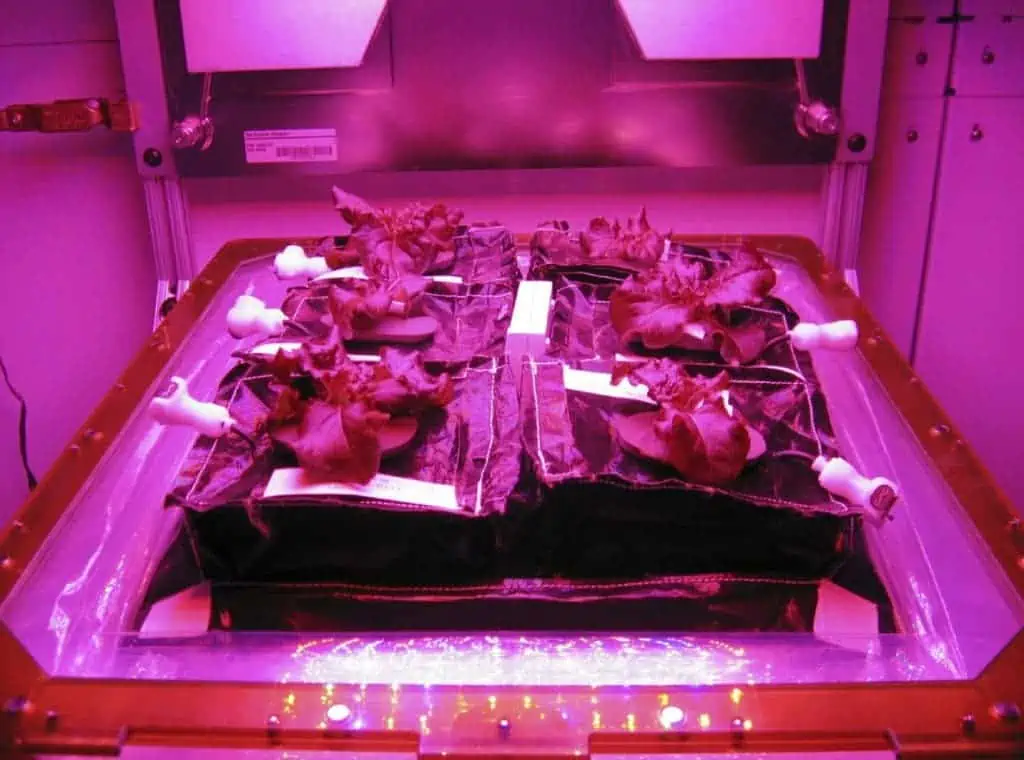
Back in 2013, we were telling you about about a small agricultural project on the International Space Station - now, ...

It took more than was expected, but the three astronauts set for the International Space Station docked with the International Space Station ...

Dylan O’Donnell, an amateur photographer, took one of the luckiest shots ever: the International Space Station past the moon. Any ...
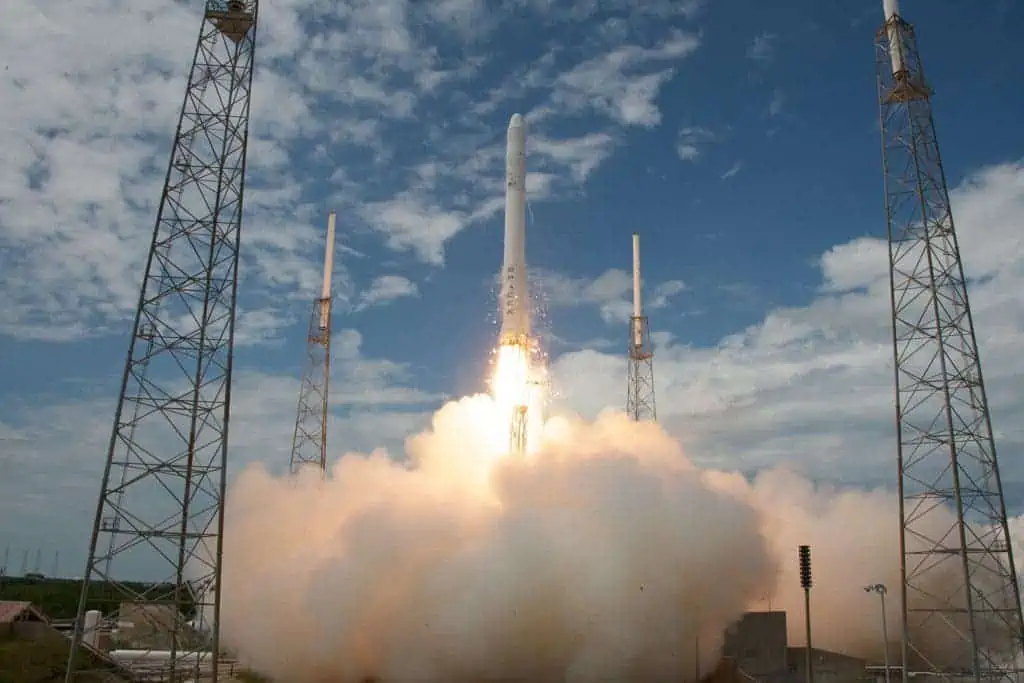
Today was a bad day for science after SpaceX's Falcon 9 rocket exploded shortly after taking off from Cape Canaveral, ...

This weekend, SpaceX is scheduled to deliver cargo and other much needed supplies to the International Space Station via its ...

Six mice were spent 91 days on board the Internationals Space Station in 2009, or seven years in the life ...
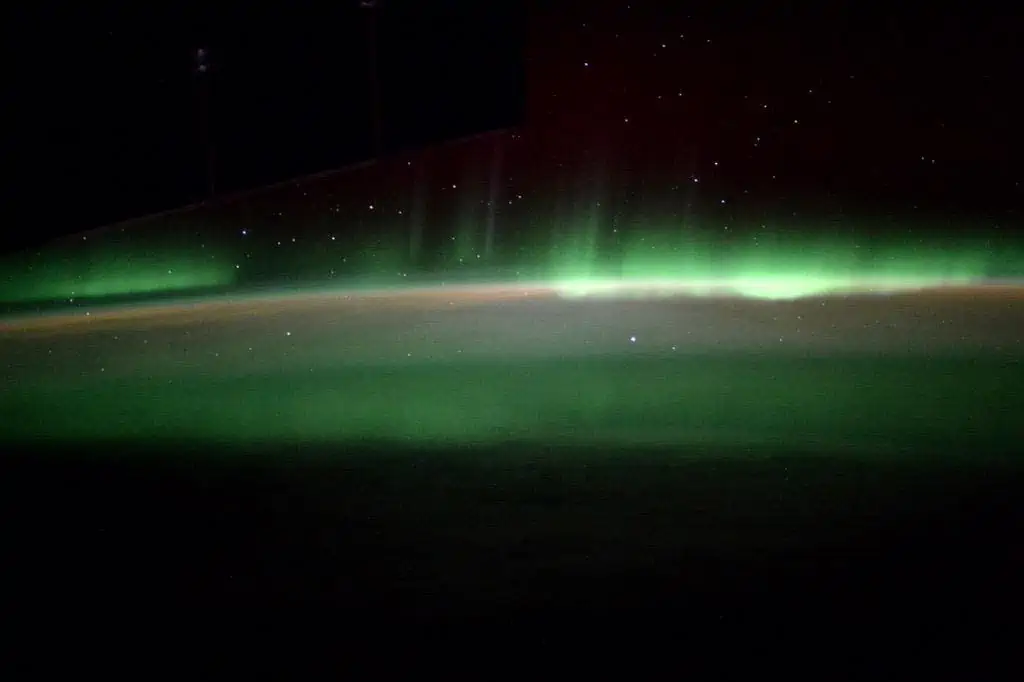
Astronauts onboard the International Space Station were given a treat - they witnessed one of the most spectacular natural phenomenon ...

A few days ago, we were telling you about the espresso machine 3D printed onboard the International Space Station. Now, ...
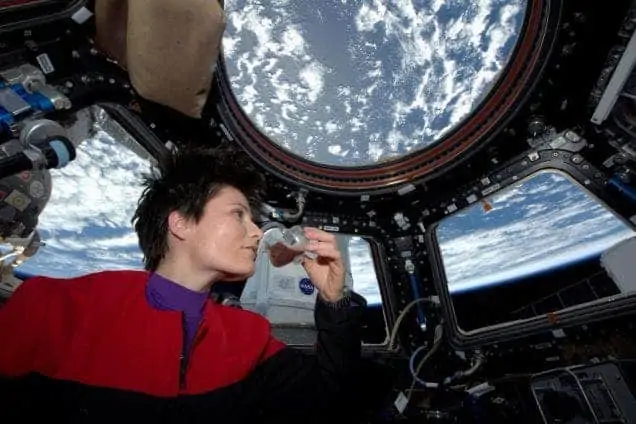
Yesterday, Samantha Cristoforetti sipped the first coffee brewed in space using the newly delivered micro-gravity espresso machine. How befitting that ...