

A new problem from air pollution: It could be affecting sperm quality
Another reason, if they needed one, for countries to tackle air pollution
Another reason, if they needed one, for countries to tackle air pollution

To stack the odds in their favor, some sperm cells play dirty tricks on their competition.

Human sperm has evolved a reinforced coating on its outer tail which enables it to penetrate thick fluid.

But that doesn't mean their fertility is necessarily affected.

The first step to making spacebabies is to know if we can actually do it.

They started from a mouse's ear tissue cells, which they eventually turned into healthy sperm.

Exposure to new man-made chemicals might be to blame.

Space sperm to the rescue!

The shots were 97% effective but were not very pleasant to handle.

We might be the next to come.

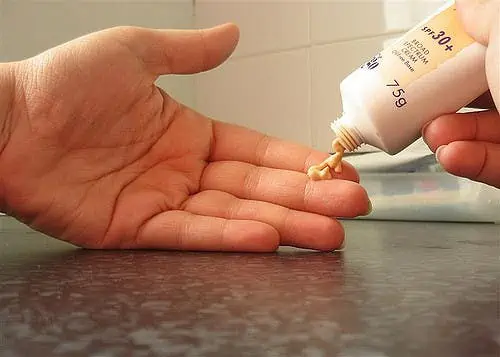
Women who use certain sunscreens might be at risk of infertility, as scientists found 45 percent of the tested products ...
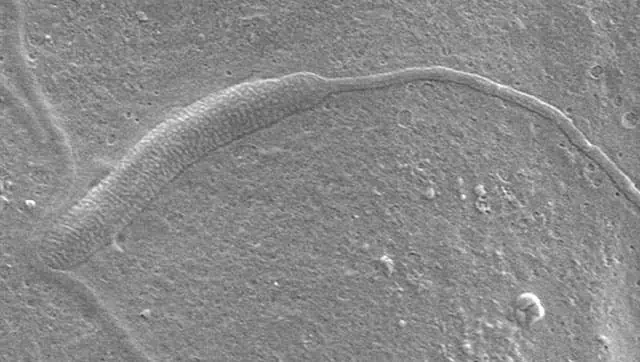
Scientists have stumbled on some incredibly old sperm in the wall of a fossilized cocoon in Antarctica. The remains of ...

They say that when two people fall in love, you can see sparks flying. Well, that may or may not ...

Scientists have shown that trauma can leave epigenetic marks - chemical changes that affect how DNA is expressed without altering its ...
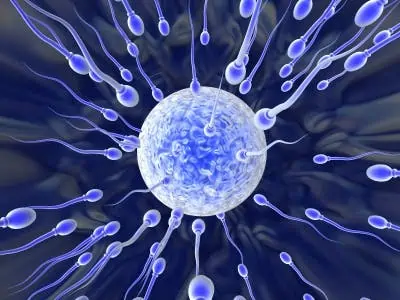
Male birth control pills have been researched for some time, however previous attempts have been found to be ineffective. A ...
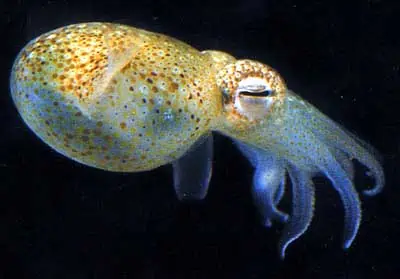
Benjamin Wegener, a researcher at Monash University’s School of Biological Sciences and his team has shown that for squids, it's ...

French people are among the healthiest nations in the world, but even so, their sperm is sinking, not swimming, according ...

Scientists have finally managed to track sperm patterns in 3D, for the first time in history. Bless their gifted brains, ...
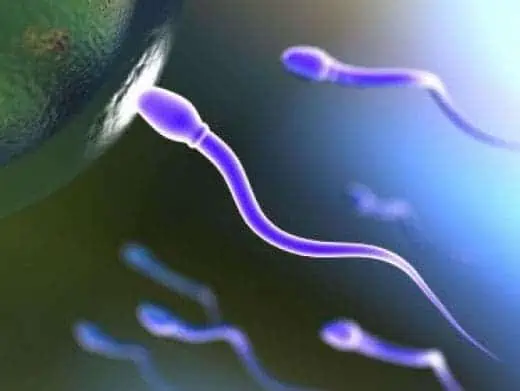
Researchers at Linköping University have taken up themselves to study the intricate personality of the sperm donor. What they found ...
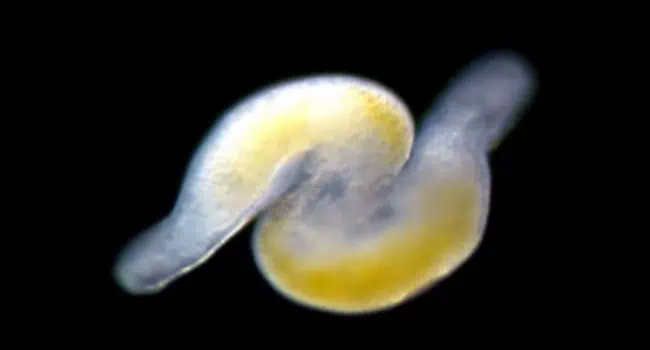
Researchers get paid to do the weirdest things nowadays; recently, a team including Lukas Schärer and his wife Dita Vizoso, ...