

James Webb captures crystal clear view of Neptune’s iconic rings
The James Webb Space Telescope (JWST) has been having a field day with the solar system recently. After imaging Jupiter, ...
The James Webb Space Telescope (JWST) has been having a field day with the solar system recently. After imaging Jupiter, ...

This suggests "diamond rain" may be quite common on other planets.

The key to Neptune's blue marble apperance lies in its methane-rich atmosphere.

They're big

The distant planetary body could offer clues about what lies beneath Jupiter's thick atmosphere.


It's been 30 years since Neptune got its close up.

The data taught us a lot about how weather works on gas giants.

It's only 34 km across.

Another one bites the dust.

Good thing Neptune is the farthest planet from the sun.

Yes, on some planets it rains diamonds!
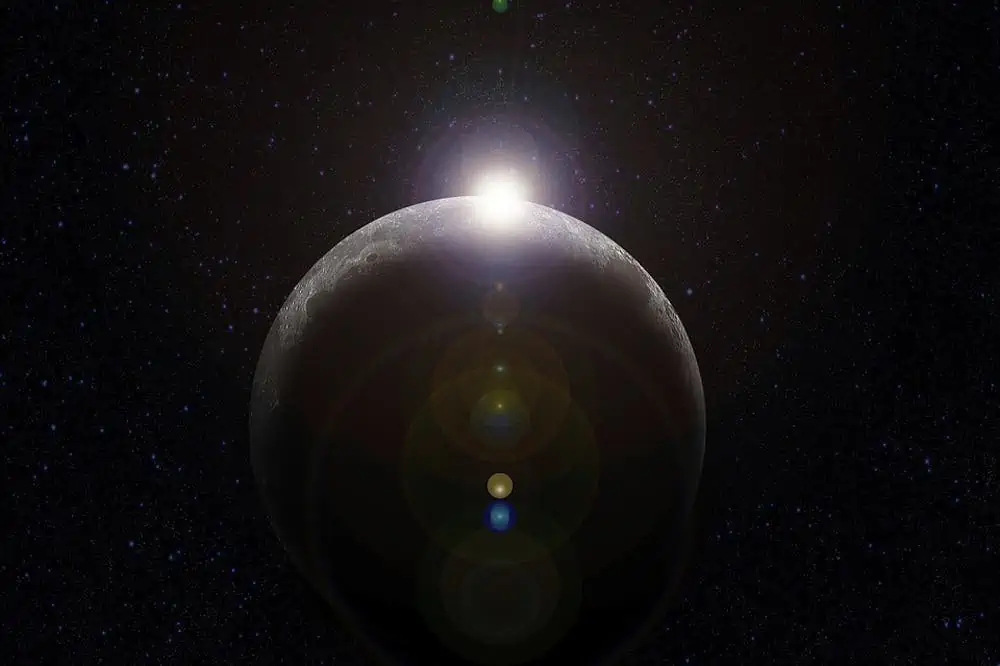
Pluto and Ceres have a new neighbor.
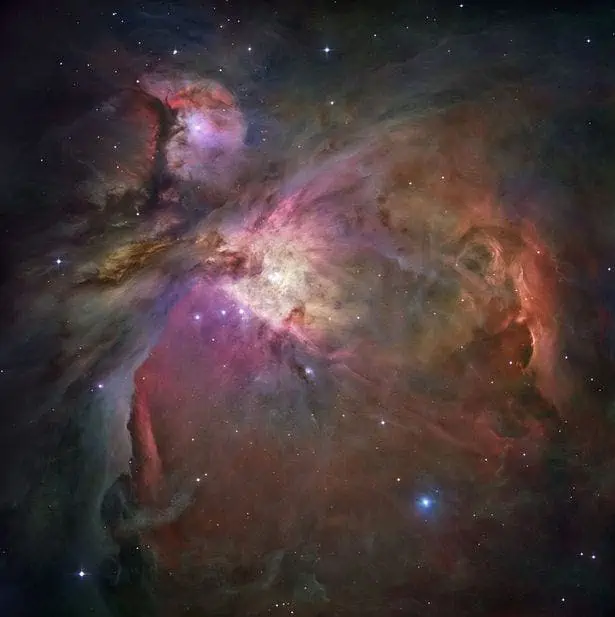
Astronomers using the Hubble telescope have identified a warm Neptune-sized planet that is "bleeding" a huge hydrogen cloud - thus ...
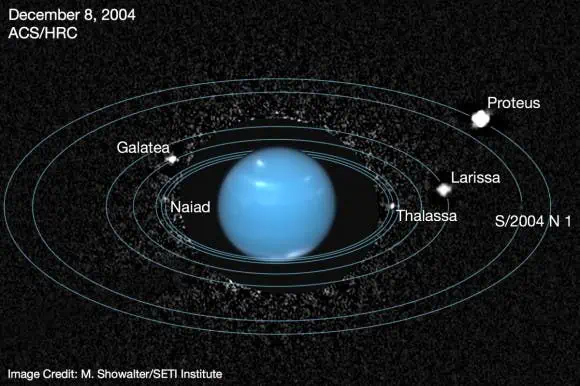
A lost moon of Neptune has not been seen since its discovery in the late 1980s - until now, that ...
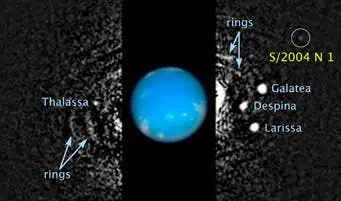
An US astronomer recently reported that he and his team have discovered a new moon orbiting the eighth and farthest ...
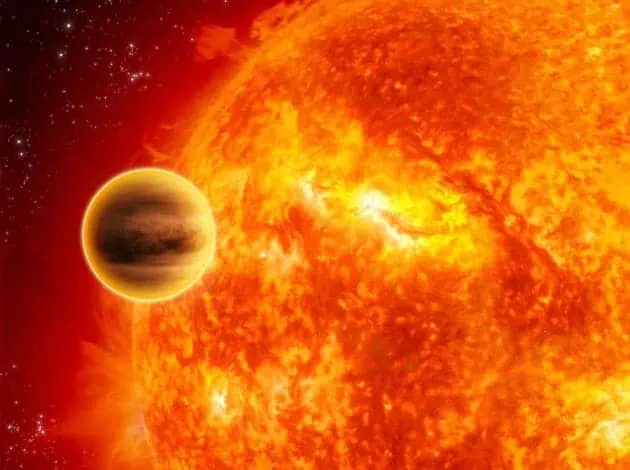
Despite all the magnificent advancements in the field, we are still in the infancy of our research on extraterrestrial planets, ...
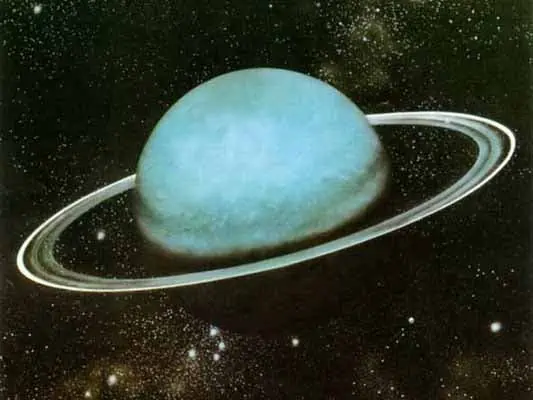
A new research published in Nature Physics showed that there may be oceans of diamonds (literally) on both Uranus and ...


