

This poison shooting robot could be the future of agriculture
It identifies weeds and then precisely hits them with poison.
It identifies weeds and then precisely hits them with poison.

Soil erosion is the biggest environmental crisis you don't hear much about.

After farmers wiped out the native hunter-gathers, they too would be replaced by nomadic people from the far east.

Personalized medicine is finally becoming a reality — starting with the food we eat.

Study highlights a wide array of options for agriculture to bring down its emissions

Irrigation only works if it’s planned properly, though.

The world needs to produce more food and also clean up its energy grids
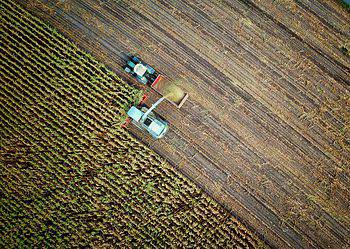
We could definitely use something like this with all the droughts around.

Both technological solutions and a change in farming patterns will be needed to adapt to this shift.

The number of mutant plant varieties on the market is unknown.

So far, they will be limited to plowing -- but not for long!

This would make them much older than previously assumed.

To boldly sow where no man has sown before.

Repurposing the money could be a way to fight poverty and improve global health.

I’m always down with more food and fewer heatwaves.

Humans and weed go back 120 centuries.

From better use of fertilizers to soil management, farming measures can go a long way.

They really do good for the body and soul, so don't be afraid to chow down on some fruit today!

Technology is increasingly making its way to the crops.

Time to say goodbye to monocultures and encourage crop diversification.

Study finds metaphor that could be applied in the real world

Technology is improving productivity, but climate is slowing it down.

The food on our plates is one of the main contributors to the ongoing climate crisis.

Agriculture’s impact on the planet is massive and relentless.

Agriculture isn't often addressed in the climate debate -- but it should.

The poor stay poorer.

Iconic plants may disappear from their traditional zones as climate change pushes them northwards.

According to a new study, irresponsible agricultural practices can increase the risk of disease spread.

The timing and availability of snowmelt, needed for irrigation, could be altered.
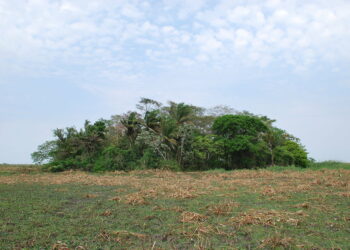
Squash and manioc were used as garden plants 10.000 years ago.

Both traditional and soil-free farming could help feed the city.

It has already been used in 186 countries to create adaptation strategies

Late-blooming prairies can provide a much-needed respite to farm bees.
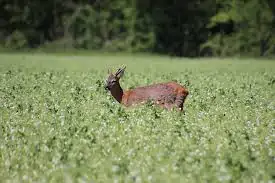
Wild mammals living near agriculture fields were found to change their diets.

Solar panels and plants can work well together, the research shows.

Organic farmers, rejoice!

This might solve a long-standing puzzle about plant domestication.

The wine wasn't restricted to the higher echelons of Celtic society -- the craftsmen also enjoyed a glass from time ...

Agricultural pollution causes a concerning number of cancers, a new study finds

These plants will drink responsibly -- whether they want it or not!

This is the most comprehensive review of pest-related damage.

It's an arms race with climate change.

It's kind of like the locust plague, except we're doing it to ourselves, through global warming.
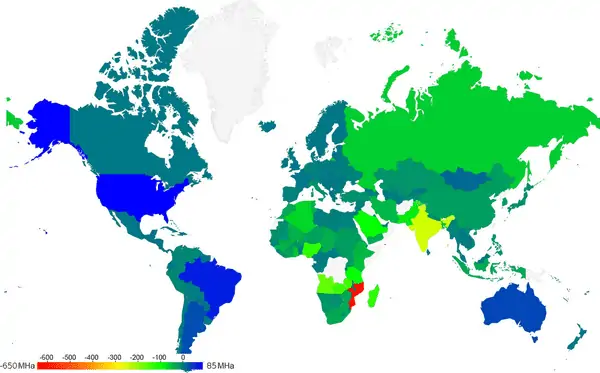
We need to be more responsible -- starting from our plates.

Now you know exactly what your purchases do.

It's a bad day when the ocean moves into your living room.

All work and no food would make the colonists very sad. Also very, very dead.

The practice could reduce the need for pesticides, improve soil quality, and absorb carbon dioxide.

Until now, we didn't know if the two greeted with a handshake or a bloodbath.

It could make a big difference in many parts of the world.