ZME Science
No Result
View All Result
ZME Science
No Result
View All Result
ZME Science

Home → Environment → Eco tips

A word on plastic and reusable bags

Mihai AndreibyMihai Andrei
February 6, 2013
in Eco tips, Environment
A A
Share on FacebookShare on TwitterSubmit to Reddit

A while ago, I was telling you about the big garbage island in the middle of the Pacific ocean, and why you should use and reuse canvas bags instead of going for the plastic bags. But here are some quick facts about reusing bags.

reusable bag

An average reusable bag requires the same amount of energy as an estimated 28 traditional plastic shopping bags or eight paper bags. Most people don’t reuse paper bags, and even if you can, there’s only so many times you can do that before it breaks or gets wet, but if you take a canvas bag and use it less than 28 times – you’re actually doing more harm than good. However, according to an unofficial research by the Wall Street Journal, only 10% of bags are actually being reused.

RelatedPosts

Hamburg becomes the first city to ban coffee pods
IBM develops device which could power slums with used laptop batteries
England’s meager 5p plastic bag tax did wonders — and it’s about to increase to 10p
Plastics are ubiquitous in the deep ocean — even in the Mariana Trench

Also, reusable bags get a lot of bad rep because people claim they are dirty. There was (and still is) a lot of fuss around a 2010 study conducted by University of Arizona and Limo Loma University which concluded that “Reusable grocery bags can be a breeding ground for dangerous foodborne bacteria and pose a serious risk to public health” [if people don’t wash them]. However, the study was highly criticized, calling into question the small sample size of bags examined in the study and the questionable danger of the type and amount of bacteria found. Michael Hansen, senior staff scientist at Consumers Union explained the situation pretty well:

“A person eating an average bag of salad greens gets more exposure to these bacteria than if they had licked the insides of the dirtiest bag from this study.” But Hansen notes that there are some reminders to take away from the study. It’s easy to spread bacteria from meat, fish, or poultry to other foods – in your kitchen or in your grocery bags. So he does think it’s wise to carry those items in disposable bags. Reusable bags are fine for most everything else, but it’s a good idea to wash them occasionally.”

So there you have it people – don’t be a hypocrite, don’t be a “green hipster” – buying reusable bags and not reusing them isn’t doing any good. Use them, wash them once in a while, recycle them when you can’t really use them any more, and spread the word.

Tags: plastic bagrecyclereusable bag

ShareTweetShare
Mihai Andrei

Mihai Andrei

Dr. Andrei Mihai is a geophysicist and founder of ZME Science. He has a Ph.D. in geophysics and archaeology and has completed courses from prestigious universities (with programs ranging from climate and astronomy to chemistry and geology). He is passionate about making research more accessible to everyone and communicating news and features to a broad audience.

Related Posts

Environment

A Massive Study Just Proved Plastic Bag Bans Actually Work

byTudor Tarita
3 months ago
Environment

Plastic bans work. Billions of plastic bags were avoided in the US alone

byMihai Andrei
2 years ago
Environment

How High Schools Can Promote Stewardship and Save the Environment

byDennis Zhang
6 years ago
PDK plastic.
Chemistry

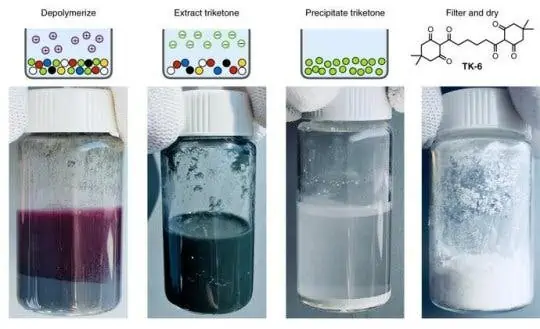
This infinitely-recyclable plastic might help us finally clean up landfills and oceans

byAlexandru Micu
6 years ago

Recent news

How Bees Use the Sun for Navigation Even on Cloudy Days

September 12, 2025

Scientists Quietly Developed a 6G Chip Capable of 100 Gbps Speeds

September 12, 2025

When Ice Gets Bent, It Sparks: A Surprising Source of Electricity in Nature’s Coldest Corners

September 12, 2025
  • About
  • Advertise
  • Editorial Policy
  • Privacy Policy and Terms of Use
  • How we review products
  • Contact

© 2007-2025 ZME Science - Not exactly rocket science. All Rights Reserved.

No Result
View All Result
  • Science News
  • Environment
  • Health
  • Space
  • Future
  • Features
    • Natural Sciences
    • Physics
      • Matter and Energy
      • Quantum Mechanics
      • Thermodynamics
    • Chemistry
      • Periodic Table
      • Applied Chemistry
      • Materials
      • Physical Chemistry
    • Biology
      • Anatomy
      • Biochemistry
      • Ecology
      • Genetics
      • Microbiology
      • Plants and Fungi
    • Geology and Paleontology
      • Planet Earth
      • Earth Dynamics
      • Rocks and Minerals
      • Volcanoes
      • Dinosaurs
      • Fossils
    • Animals
      • Mammals
      • Birds
      • Fish
      • Amphibians
      • Reptiles
      • Invertebrates
      • Pets
      • Conservation
      • Animal facts
    • Climate and Weather
      • Climate change
      • Weather and atmosphere
    • Health
      • Drugs
      • Diseases and Conditions
      • Human Body
      • Mind and Brain
      • Food and Nutrition
      • Wellness
    • History and Humanities
      • Anthropology
      • Archaeology
      • History
      • Economics
      • People
      • Sociology
    • Space & Astronomy
      • The Solar System
      • Sun
      • The Moon
      • Planets
      • Asteroids, meteors & comets
      • Astronomy
      • Astrophysics
      • Cosmology
      • Exoplanets & Alien Life
      • Spaceflight and Exploration
    • Technology
      • Computer Science & IT
      • Engineering
      • Inventions
      • Sustainability
      • Renewable Energy
      • Green Living
    • Culture
    • Resources
  • Videos
  • Reviews
  • About Us
    • About
    • The Team
    • Advertise
    • Contribute
    • Editorial policy
    • Privacy Policy
    • Contact

© 2007-2025 ZME Science - Not exactly rocket science. All Rights Reserved.