

We could have just seen the most powerful explosion ever
I see your GOAT and raise you a BOAT.
I see your GOAT and raise you a BOAT.

The findings raise serious health concerns when it comes to putting astronauts on the moon.

Gamma-ray particles trillions of times more energetic than regular light hit the Tibetan plateau.

Someone call a Doctor!


Scientists have been analyzing high-energy gamma rays originating from the center of our galaxy and they've reported that there's a ...
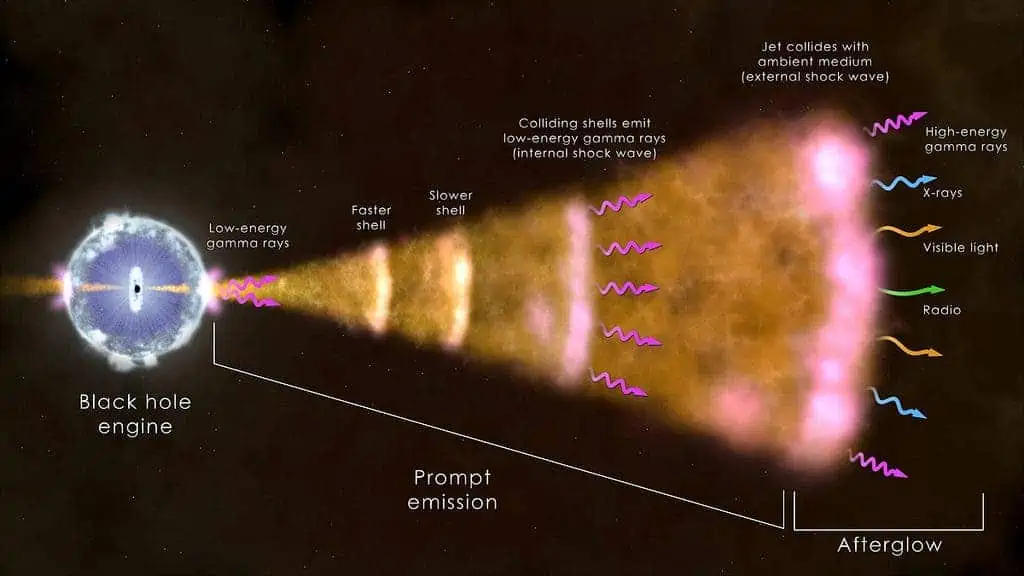
An artist’s conception of the processes by which a star collapses and becomes a black hole, releasing high-energy gamma rays ...
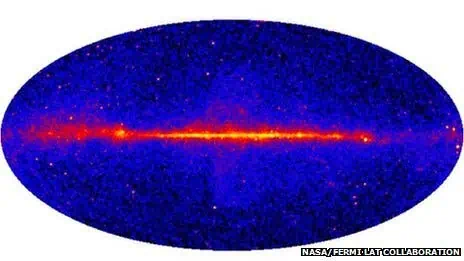
The Fermi Space Telescope has catalogued the 514 most powerful objects in the Universe, that we know of. Astrophysicists don't ...
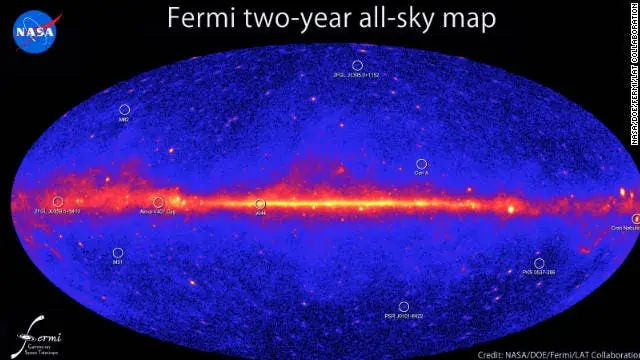
Set it went into operation, Fermi's Large Area Telescope has detected 1873 gamma rays out in space, of which only two ...
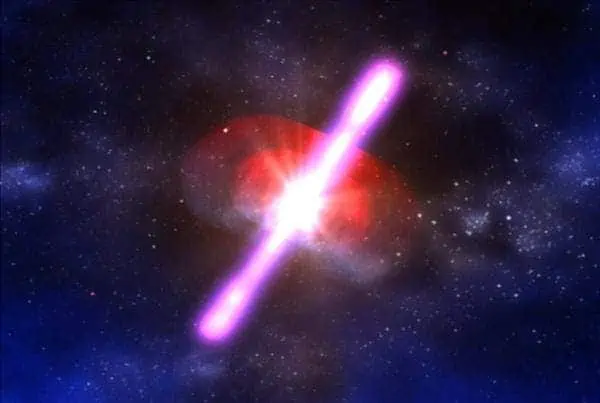
Most of us tend to believe the Earth is a safe heaven, with little regard to outerwordly consequences. The truth ...
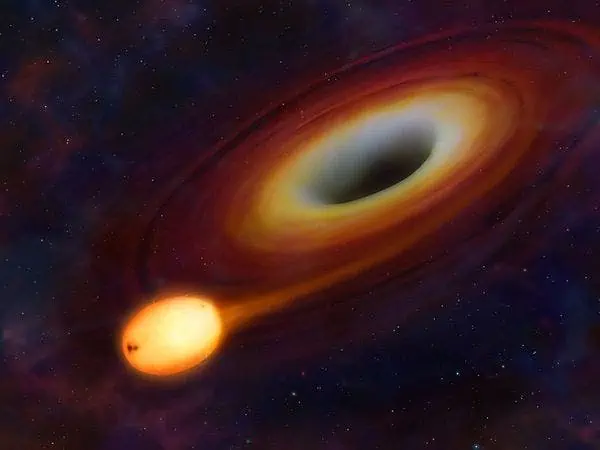
We previously reported about an incredible gamma ray burst triggered by a black hole, so powerful that nothing like this ...
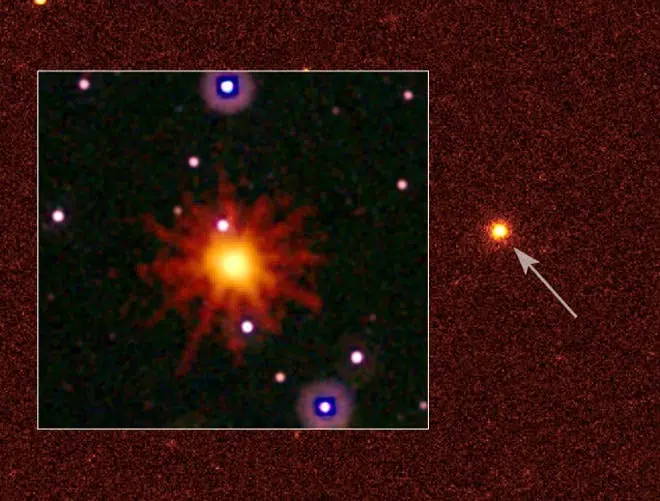
On the 28th of March the Swift telescope observed a peculiar gamma-ray blast in a distant corner of the visible ...
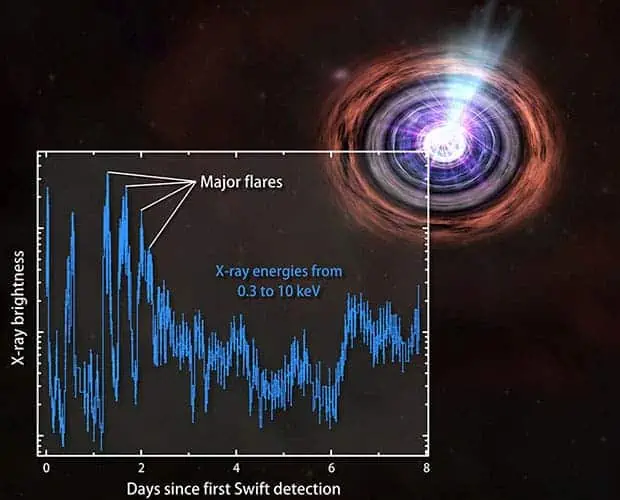
The Draco constellation (which is Latin for Dragon) is located at about 3.8 billion light years from Earth; just ...
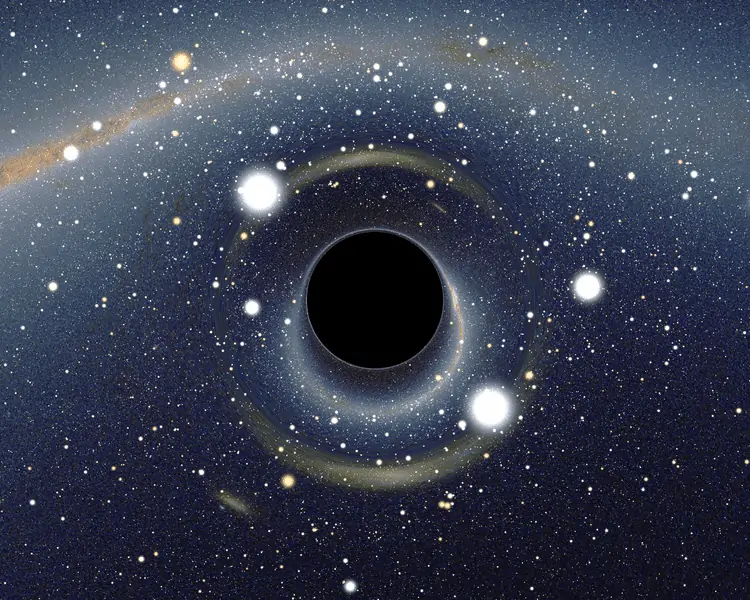
We've all seen at least one movie in which our planet is destroyed, but most of them were quite repetitive ...

ESO's Very Large Telescope has shown something that scientists concluded is the signature of the explosion of the object furthest ...
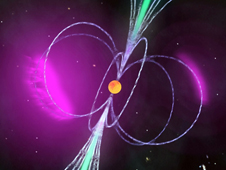
Recently, NASA's Fermi Gamma-ray Space Telescope discovered no more, no less than 12 pulsars, and it also detected gamma ray ...