

Researchers develop ‘living skin’ and graft it onto a robotic finger
Researchers have successfully grown self-healing ‘human-like’ skin on a robotic finger.
Researchers have successfully grown self-healing ‘human-like’ skin on a robotic finger.
The mini-brains were able to learn how to play the game faster than an AI.

The supercharged jellyfish swam up to three times faster than they normally would have.
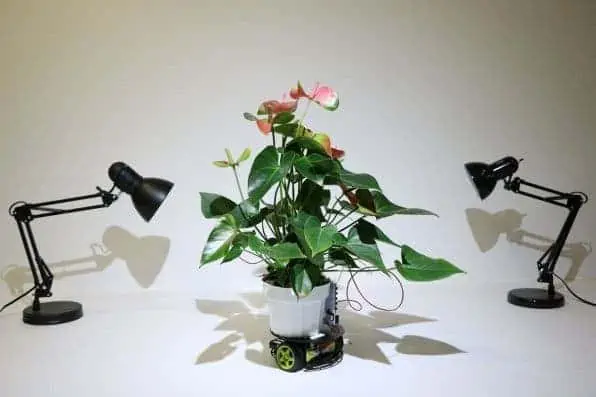
Its name is Elowan and it probably comes in peace.

The hand prosthesis can sense if objects are soft or hard.
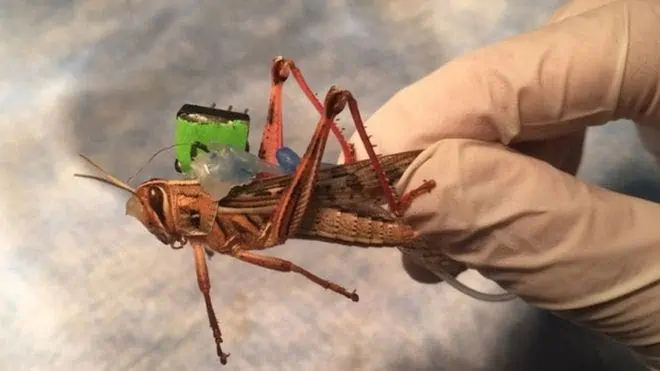
Why build some tech from scratch when nature did all the dirty work for you over millions of years of ...

Half cockroach, half machine, these peculiar insects were hijacked by researchers at Texas A&M University for science. Electrodes implanted in ...
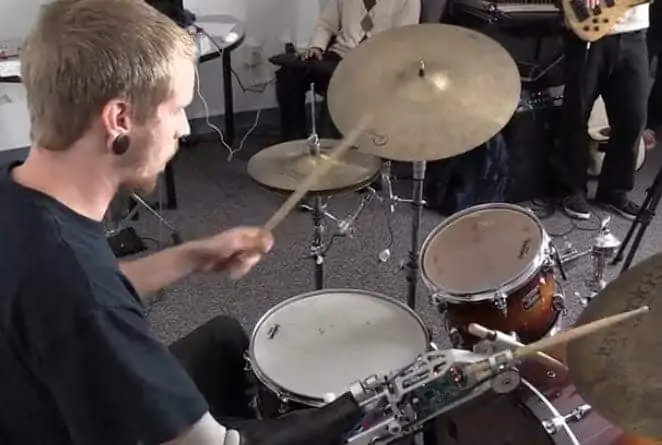
Photo: Georgia Tech A freak accident left Jason Barnes without his left arm below the elbow - a disheartening matter by ...
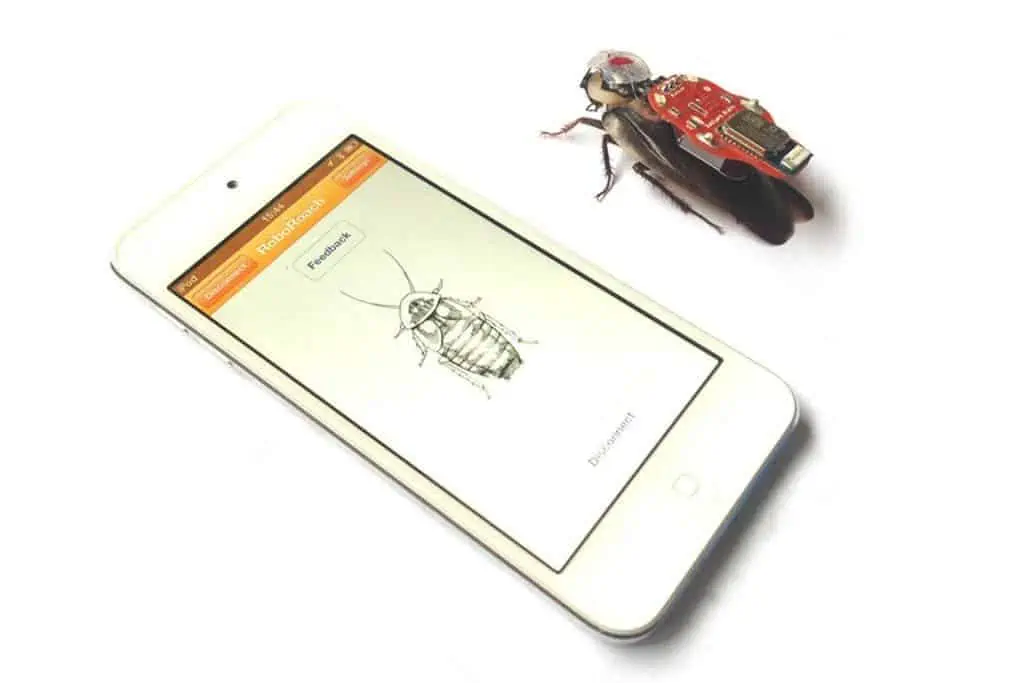
(c) Backyard Brains Through the halls of TedxDetroit last week, participants were introduced to an unfamiliar and unlikely guest - ...
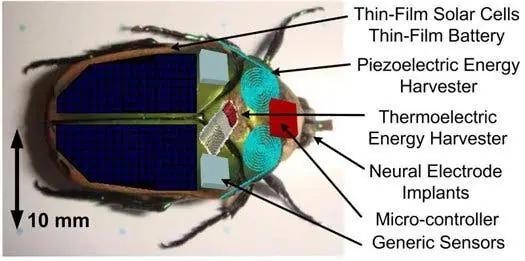
After a devastating earthquake, most often buildings will crumble trapping people inside its ruins. Search and rescue teams work effortsly ...

Remarkably enough, scientists from Tel Aviv University in Israel, have manged to implant an artificial cerebellum in a rat's brain, ...

Biomechanics has come a long way during the past few decades, on trend with the exponential growth of CPUs and ...