

ZME Science
No Result
View All Result
ZME Science
No Result
View All Result
ZME Science

Home → Science → Archaeology

Over a hundred ancient settlements found beyond Hadrian’s wall in northern UK

The new discoveries could shed light on how life was like beyond the wall for the "barbarian" tribes.

Mihai AndreibyMihai Andrei
June 7, 2022
in Archaeology, History
A A
Share on FacebookShare on TwitterSubmit to Reddit

Archaeologists using Lidar have found 134 previously unknown settlements north of Hadrian’s Wall. The wall, which today lies close to the border between England and Scotland, is a fortification constructed by Roman Emperor Hadrian. Stretching from sea to sea, the wall served as a defensive mechanism against “barbarian” populations, and much of the area beyond the wall is relatively unexplored archaeologically.
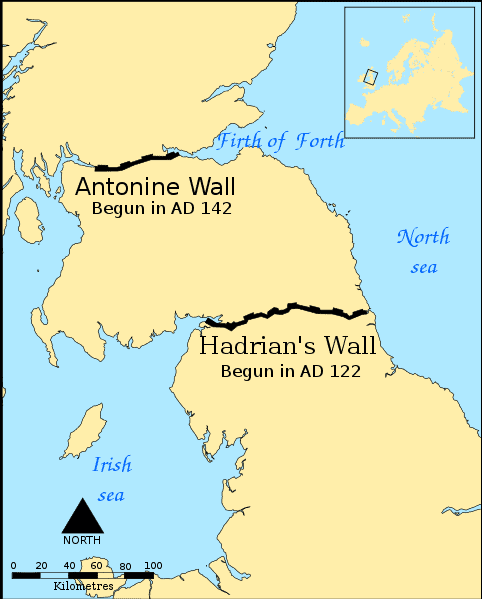
Contrary to popular belief, Hadrian’s Wall has never served as the border between England and Scotland.

In the year 122, Roman Emperor Hadrian visited Britain. By then, the Romans had conquered most of western Europe, and the Roman Empire was close to its peak. But the Romans were not spared of trouble. Much of today’s Britain was under firm Roman grasp — the territories we now call England and Wales were virtually entirely Roman — but the tribes inhabiting the very north of the island were a different story.

Several Roman emperors tried to conquer parts of what is now Scotland, and while some enjoyed temporary victories, they were pushed out time and time again. They would also raid and attack the Romans occasionally. So Hadrian decided to build a wall like no other: a defensive wall that would mark the northern border of the empire and control who can go in and out of Roman Britain. For nearly three centuries, until the end of Roman rule in Britain in 410 AD, Hadrian’s Wall was a statement of the might of the empire.
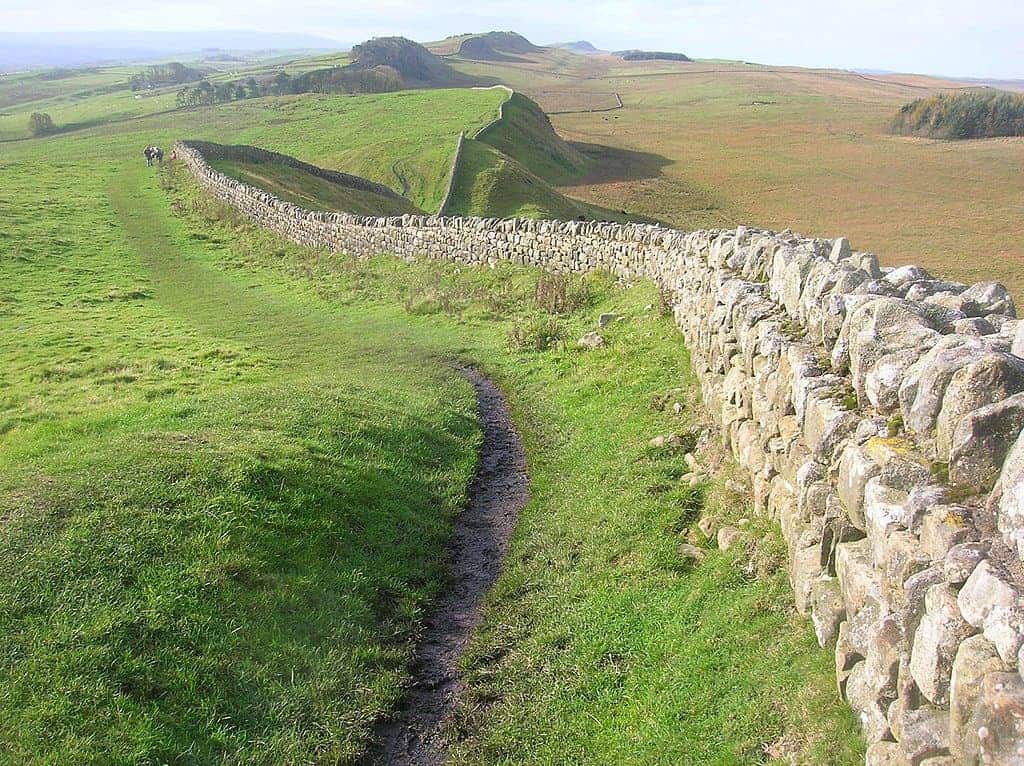
A part of Hadrian’s Wall today. Image via Wiki Commons.

The area south of the wall and the Roman structures have been explored archaeologically in great depth, but the area north of the wall is less understood.

“Several issues have traditionally hindered our understanding of this northern frontier,” write the authors of a new study, “including modern administrative borders, academic divides between prehistoric and Roman archaeology, and the limited chronological resolution of much of the material, particularly with regard to indigenous sites. Furthermore, many analyses have adopted a predominantly Roman perspective, focusing primarily on Hadrian’s Wall, the Antonine Wall and the hundreds of Roman forts and temporary camps known in northern Britain. Although this is undoubtedly important, a holistic understanding requires paying greater attention to the indigenous evidence, both through the study of specific sites and wider landscape patterns.”

To address this, researchers from the University of Edinburgh have launched a new project that aims to stud the area beyond the wall and the tribes that never surrendered to Rome (or their predecessors).

The team used airborne Lidar, a laser-based mapping technology that can be used to create an accurate, 3D picture of the landscape. They mapped an area of around 579 square miles (1,500 square km), finding 134 previously unknown Iron Age settlements. Lidar can highlight even small variations in surface topography, so even though the area had been previously surveyed (with other means), it can highlight structures not visible to the naked eye.
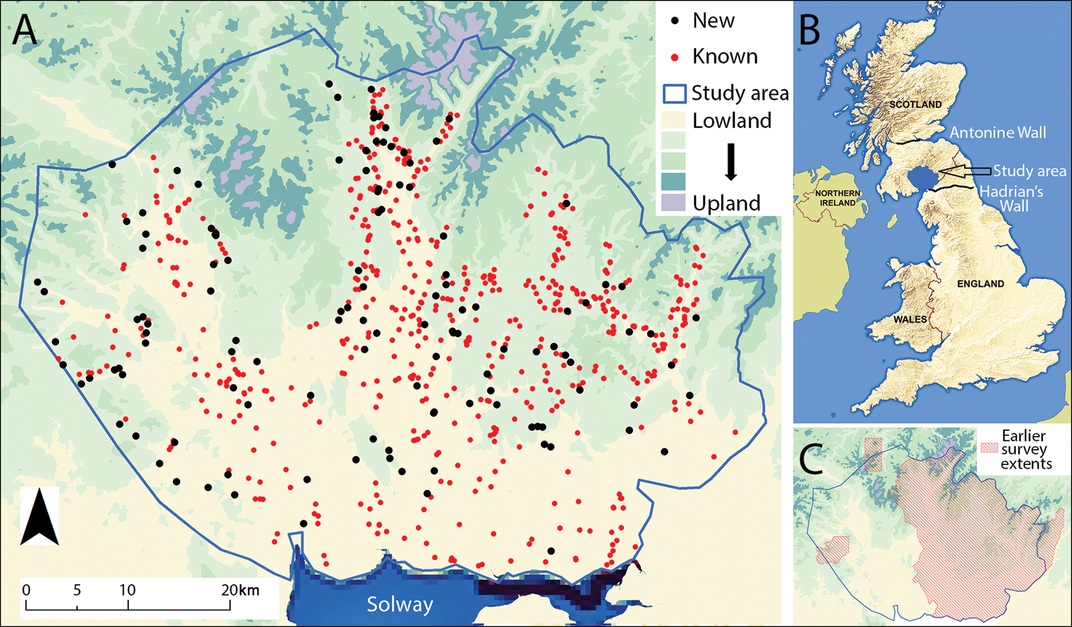
The new study brings the number of known settlements in the area to 704. Image credits: Antiquity.

Most of the new finds appear to be farmsteads, and many of them could be Iron Age, from before the Romans built the wall. But the overall painting reveals a dense distribution of sites, which hints at an organized population, well-settled population.

RelatedPosts

Britain’s earliest farmers were immigrants from Greece and Spain
Ancient Chinese skeletons found in London could hint at unknown ancient community and trade
UK pushes forth with sugar tax
Brits expect to spend their holidays on the moon by 2020

“This is one of the most exciting regions of the Empire, as it represented its northernmost frontier, and because Scotland was one of the very few areas in Western Europe over which the Roman army never managed to establish full control,” said lead author Dr. Fernández Götz, from the University of Edinburgh, in a statement.
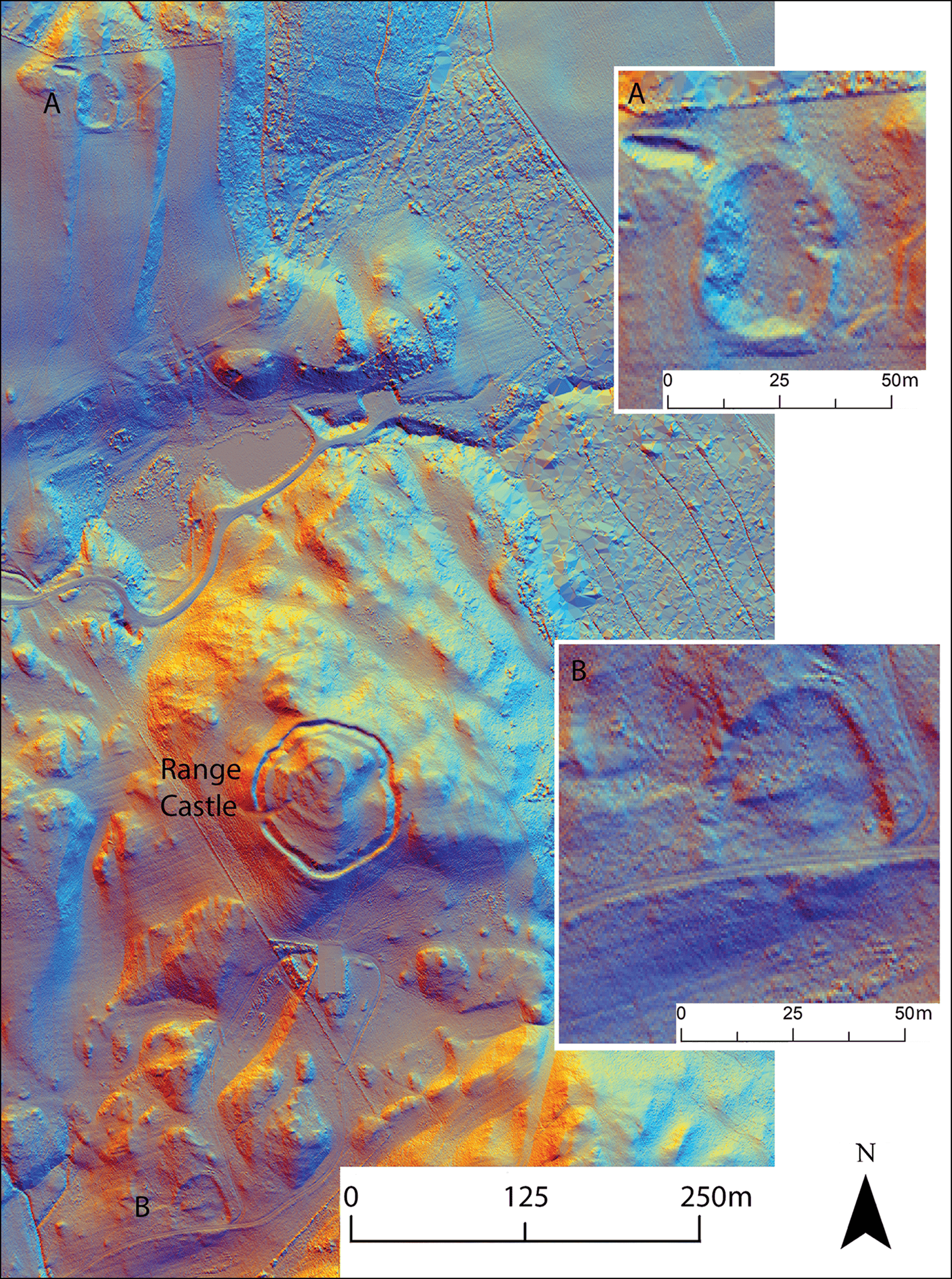
Range Castle, documented since the nineteenth century, along with two smaller Iron Age enclosures which were now discovered through a Lidar-based survey. Image credits: Fernández Götz / Open Government Licence v3.0.

The archaeologists will now zoom in on the features of interest and try to date them and study them in better detail using geophysical methods that can reveal structures below the surface. The researchers want to get a better picture of what life was like on the other side of the wall, and how it may have changed during and after the Roman occupation.

Researchers believe there wasn’t always a conflict between the native populations and Roman troops. There may have been periods of peace and even collaboration, with trade and immigration happening around the wall.

The study was published in the journal of Antiquity.

Tags: britainHadrian's Walllidar

ShareTweetShare
Mihai Andrei

Mihai Andrei

Dr. Andrei Mihai is a geophysicist and founder of ZME Science. He has a Ph.D. in geophysics and archaeology and has completed courses from prestigious universities (with programs ranging from climate and astronomy to chemistry and geology). He is passionate about making research more accessible to everyone and communicating news and features to a broad audience.

Related Posts

Archaeology

A Giant Roman Soldier Lost His Shoe Near Hadrian’s Wall 2,000 Years Ago

byMihai Andrei
2 months ago
default
Inventions

From Farms to Lost Cities, Drones Are Quietly Revolutionizing Modern Science

byMihai Andrei
3 months ago
History

A Forgotten 200-Year-Old Book Bound in a Murderer’s Skin Was Just Found in a Museum Office

byTibi Puiu
4 months ago
Science

These researchers counted the trees in China using lasers

byMihai Andrei
5 months ago

Recent news

The UK Government Says You Should Delete Emails to Save Water. That’s Dumb — and Hypocritical

August 16, 2025

In Denmark, a Vaccine Is Eliminating a Type of Cervical Cancer

August 16, 2025
This Picture of the Week shows a stunning spiral galaxy known as NGC 4945. This little corner of space, near the constellation of Centaurus and over 12 million light-years away, may seem peaceful at first — but NGC 4945 is locked in a violent struggle. At the very centre of nearly every galaxy is a supermassive black hole. Some, like the one at the centre of our own Milky Way, aren’t particularly hungry. But NGC 4945’s supermassive black hole is ravenous, consuming huge amounts of matter — and the MUSE instrument at ESO’s Very Large Telescope (VLT) has caught it playing with its food. This messy eater, contrary to a black hole’s typical all-consuming reputation, is blowing out powerful winds of material. This cone-shaped wind is shown in red in the inset, overlaid on a wider image captured with the MPG/ESO telescope at La Silla. In fact, this wind is moving so fast that it will end up escaping the galaxy altogether, lost to the void of intergalactic space. This is part of a new study that measured how winds move in several nearby galaxies. The MUSE observations show that these incredibly fast winds demonstrate a strange behaviour: they actually speed up far away from the central black hole, accelerating even more on their journey to the galactic outskirts. This process ejects potential star-forming material from a galaxy, suggesting that black holes control the fates of their host galaxies by dampening the stellar birth rate. It also shows that the more powerful black holes impede their own growth by removing the gas and dust they feed on, driving the whole system closer towards a sort of galactic equilibrium. Now, with these new results, we are one step closer to understanding the acceleration mechanism of the winds responsible for shaping the evolution of galaxies, and the history of the universe. Links  Research paper in Nature Astronomy by Marconcini et al. Close-up view of NGC 4945’s nucleus

Astronomers Find ‘Punctum,’ a Bizarre Space Object That Might be Unlike Anything in the Universe

August 15, 2025
  • About
  • Advertise
  • Editorial Policy
  • Privacy Policy and Terms of Use
  • How we review products
  • Contact

© 2007-2025 ZME Science - Not exactly rocket science. All Rights Reserved.

No Result
View All Result
  • Science News
  • Environment
  • Health
  • Space
  • Future
  • Features
    • Natural Sciences
    • Physics
      • Matter and Energy
      • Quantum Mechanics
      • Thermodynamics
    • Chemistry
      • Periodic Table
      • Applied Chemistry
      • Materials
      • Physical Chemistry
    • Biology
      • Anatomy
      • Biochemistry
      • Ecology
      • Genetics
      • Microbiology
      • Plants and Fungi
    • Geology and Paleontology
      • Planet Earth
      • Earth Dynamics
      • Rocks and Minerals
      • Volcanoes
      • Dinosaurs
      • Fossils
    • Animals
      • Mammals
      • Birds
      • Fish
      • Amphibians
      • Reptiles
      • Invertebrates
      • Pets
      • Conservation
      • Animal facts
    • Climate and Weather
      • Climate change
      • Weather and atmosphere
    • Health
      • Drugs
      • Diseases and Conditions
      • Human Body
      • Mind and Brain
      • Food and Nutrition
      • Wellness
    • History and Humanities
      • Anthropology
      • Archaeology
      • History
      • Economics
      • People
      • Sociology
    • Space & Astronomy
      • The Solar System
      • Sun
      • The Moon
      • Planets
      • Asteroids, meteors & comets
      • Astronomy
      • Astrophysics
      • Cosmology
      • Exoplanets & Alien Life
      • Spaceflight and Exploration
    • Technology
      • Computer Science & IT
      • Engineering
      • Inventions
      • Sustainability
      • Renewable Energy
      • Green Living
    • Culture
    • Resources
  • Videos
  • Reviews
  • About Us
    • About
    • The Team
    • Advertise
    • Contribute
    • Editorial policy
    • Privacy Policy
    • Contact

© 2007-2025 ZME Science - Not exactly rocket science. All Rights Reserved.