

ZME Science
No Result
View All Result
ZME Science
No Result
View All Result
ZME Science

Home → Health → Genetics

Human Embryonic Stem Cell Lines Created Without The Destruction Of Embryos

Mihai AndreibyMihai Andrei
January 14, 2008
in Genetics, Research
A A
Share on FacebookShare on TwitterSubmit to Reddit

stem cells
The ethical and moral aspects of using stem cells have been discussed a lot and it seems there is no good answer; genetic practically has no limit and since the discovery of DNA things have evolved very quickly. But the thing is that the moral aspects concerning it could be left unsolved and yet everybody could be happy. How?

Well what if we could use stem cells without causing vital damage to the embryos? That would pretty much solve things; and we are not so far away from that. Advanced Cell Technology, Inc. together with colleagues announced the development of five human embryonic stem cell (hESC) lines without the destruction of embryos.

RelatedPosts

True Blood redux – artificial blood to be manufactured in factories
Japanese woman is first recipient of next-generation stem cells
“I can eat sugar now”: Stem Cells Reverse Woman’s Type 1 Diabetes in Medical First. Is a Cure Finally In Sight?
Controversial study claims humans are slowly losing their intellectual abilities

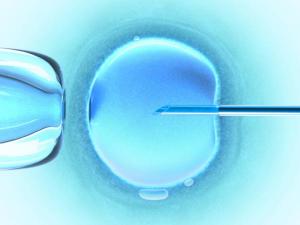
In fact, the NIH report to the President refers to this technology as one of the viable alternatives to the destruction of embryos. The method was published January 11 in the journal Cell Stem Cells, published by Cell Press. What they did is that they removed single cells from the embryo using a technique similar to preimplantation genetic diagnosis (PGD). The biopsied embryos continued to develop normally and were then frozen. After that the cells which were removed were cultured utilizing a special method which recreates the optimal developmental environment and it has a substantially improved efficiency of deriving stem cells to rates comparable to using the traditional approach of deriving stem cells from the inner cell mass of a whole blastocyst stage embryo.

“This is a working technology that exists here and now,” said Robert Lanza, M.D., Chief Scientific Officer at Advanced Cell Technology and senior author of the paper. “It could be used to increase the number of stem cell lines available to federal researchers immediately. We could send these cells out to researchers tomorrow. If the White House approves this new methodology, researchers could effectively double or triple the number of stem cell lines available within a few months. Too many needless deaths continue to occur while this research is being held up. I hope the President will act now and approve these stem cell lines quickly.”

The results sound promising but it is hard to say how things are going to turn out. We will wait and see.

Tags: Geneticsstem cellstem cells

ShareTweetShare
Mihai Andrei

Mihai Andrei

Dr. Andrei Mihai is a geophysicist and founder of ZME Science. He has a Ph.D. in geophysics and archaeology and has completed courses from prestigious universities (with programs ranging from climate and astronomy to chemistry and geology). He is passionate about making research more accessible to everyone and communicating news and features to a broad audience.

Related Posts

Future

Scientists Reprogram Blood Cells to Prevent Alzheimer’s and Fight Aging In the Brain

byMihai Andrei
2 weeks ago
Health

First Stem Cell Nerve Therapy Meant to Reverse Paralysis Enters Clinical Trial

byTibi Puiu
4 months ago
Neurology

Japan’s Stem Cell Scientists Claim Breakthrough in Parkinson’s Treatment

byMihai Andrei
4 months ago
Animals

Humans are really bad at healing. But that also helped us survive

byTudor Tarita
4 months ago

Recent news

How Bees Use the Sun for Navigation Even on Cloudy Days

September 12, 2025

Scientists Quietly Developed a 6G Chip Capable of 100 Gbps Speeds

September 12, 2025

When Ice Gets Bent, It Sparks: A Surprising Source of Electricity in Nature’s Coldest Corners

September 12, 2025
  • About
  • Advertise
  • Editorial Policy
  • Privacy Policy and Terms of Use
  • How we review products
  • Contact

© 2007-2025 ZME Science - Not exactly rocket science. All Rights Reserved.

No Result
View All Result
  • Science News
  • Environment
  • Health
  • Space
  • Future
  • Features
    • Natural Sciences
    • Physics
      • Matter and Energy
      • Quantum Mechanics
      • Thermodynamics
    • Chemistry
      • Periodic Table
      • Applied Chemistry
      • Materials
      • Physical Chemistry
    • Biology
      • Anatomy
      • Biochemistry
      • Ecology
      • Genetics
      • Microbiology
      • Plants and Fungi
    • Geology and Paleontology
      • Planet Earth
      • Earth Dynamics
      • Rocks and Minerals
      • Volcanoes
      • Dinosaurs
      • Fossils
    • Animals
      • Mammals
      • Birds
      • Fish
      • Amphibians
      • Reptiles
      • Invertebrates
      • Pets
      • Conservation
      • Animal facts
    • Climate and Weather
      • Climate change
      • Weather and atmosphere
    • Health
      • Drugs
      • Diseases and Conditions
      • Human Body
      • Mind and Brain
      • Food and Nutrition
      • Wellness
    • History and Humanities
      • Anthropology
      • Archaeology
      • History
      • Economics
      • People
      • Sociology
    • Space & Astronomy
      • The Solar System
      • Sun
      • The Moon
      • Planets
      • Asteroids, meteors & comets
      • Astronomy
      • Astrophysics
      • Cosmology
      • Exoplanets & Alien Life
      • Spaceflight and Exploration
    • Technology
      • Computer Science & IT
      • Engineering
      • Inventions
      • Sustainability
      • Renewable Energy
      • Green Living
    • Culture
    • Resources
  • Videos
  • Reviews
  • About Us
    • About
    • The Team
    • Advertise
    • Contribute
    • Editorial policy
    • Privacy Policy
    • Contact

© 2007-2025 ZME Science - Not exactly rocket science. All Rights Reserved.