graphite

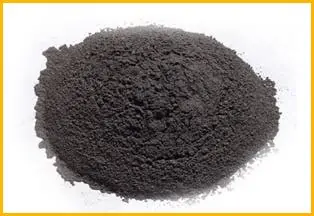
The mineral graphite /ˈɡræfaɪt/ is an allotrope of carbon. It was named by Abraham Gottlob Werner in 1789 from the Ancient Greek γράφω (graphō), "to draw/write", for its use in pencils, where it is commonly called lead (not to be confused with the metallic element lead). Unlike diamond (another carbon allotrope), graphite is an electrical conductor, a semimetal. It is, consequently, useful in such applications as arc lamp electrodes. Graphite is the most stable form of carbon under standard conditions. Therefore, it is used in thermochemistry as the standard state for defining the heat of formation of carbon compounds. Graphite may be considered the highest grade of coal, just above anthracite and alternatively called meta-anthracite, although it is not normally used as fuel because it is difficult to ignite.

For more information about graphite check the Wikipedia article here

ZME Science posts about graphite

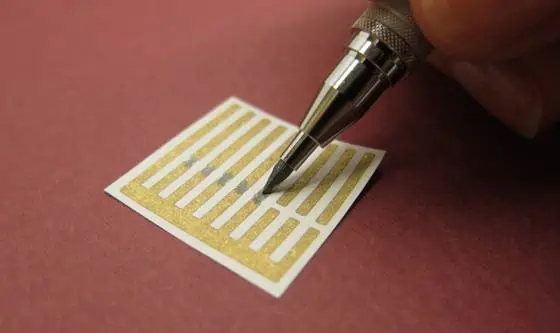
Carbon nanotubes drawn with a pencil render cheap and reliable sensors

Wed, Oct 10, 2012

1 Comment

Researchers at MIT have developed a novel technique of creating cheap and reliable sensors for toxic gases by simply etching carbon nanotubes with a mechanical pen on a special paper, fitted with electrodes. The method allows for easy to make, cheap and reliable sensors that detect noxious gases in the environment, without the hassle that [...]

Hints of superconductivity at room temperature might hold far-reaching consequences

Wed, Sep 19, 2012

0 Comments

By doping graphite, researchers in Germany have reported that they found tantalizing hints of superconductivity at room-temperatures and far above, like water boiling point (100°C.). Superconductivity is a property which describes zero resistance electrical conductivity, however this property has only been observed at temperatures lower than -100°C. Graphite has been found to exhibit superconductivity in [...]

“Super sand” is five times more purifying than regular one. Turns toxic water into drinkable water

Fri, Jun 24, 2011

0 Comments

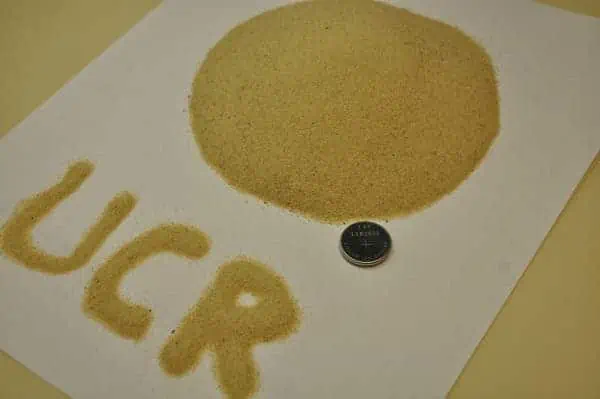
It’s a bird! It’s a plane! No, it’s super sand! *tadam Researchers from Rice University have managed to develop a new kind of filtering sand, dubbed “super sand”, which has the five times the filtering properties of regular sand. The advancement could provide an indispensable, cost-effective solution for the current water crisis in developing countries [...]

Oceans of diamonds on Uranus

Sat, Jan 23, 2010

1 Comment

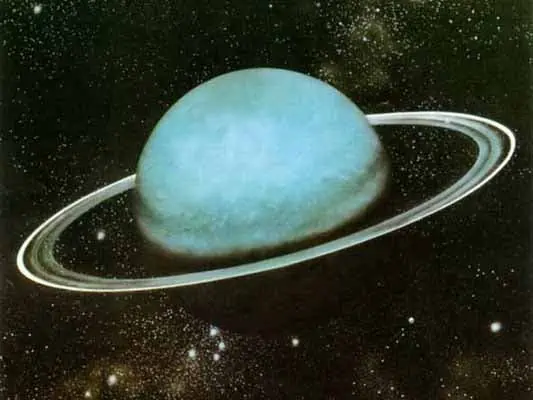
A new research published in Nature Physics showed that there may be oceans of diamonds (literally) on both Uranus and Neptune. The first ever study conducted on the melting point of diamond concluded that at that certain point, it behaves just like water, with the solid form floating in the liquid form (just imagine icebergs, [...]

Subscribe for FREE!

Popular This Week

Drop us a line!

Tip us on news, scientific reports and studies, scientific advances, science art, interesting phenomena or any kind of science related material. Just write to andrei@zmescience.com.