

What is Gondwana: the ancient supercontinent that changed Earth
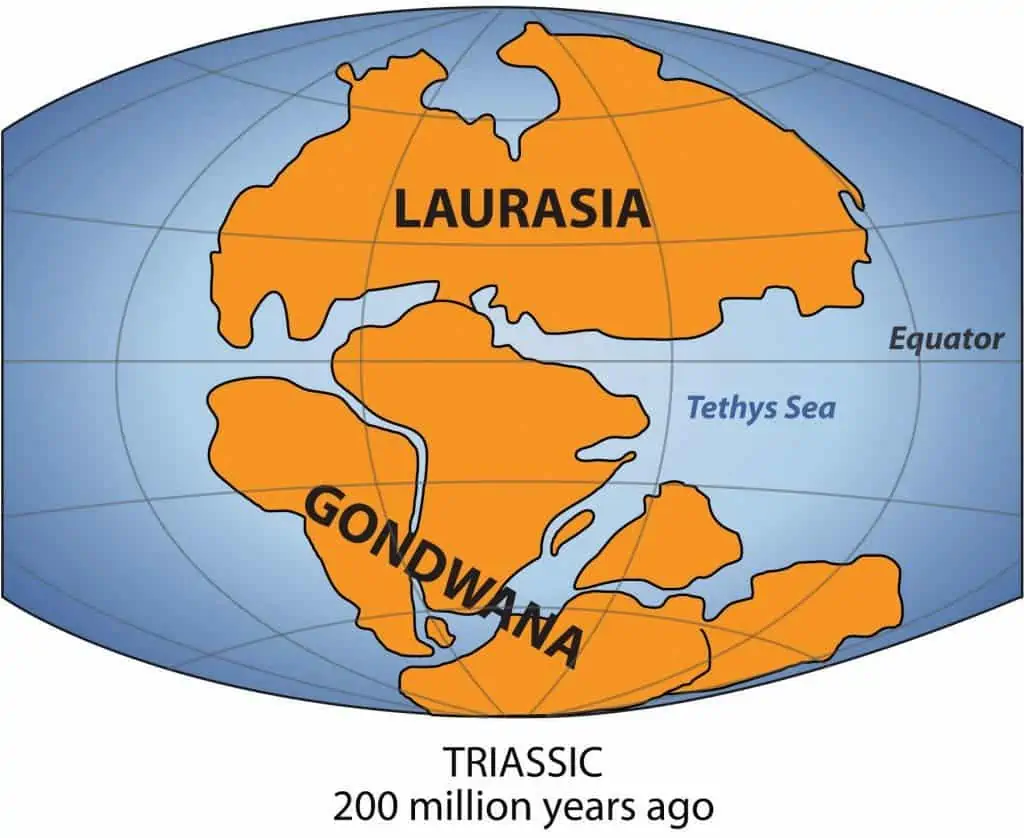
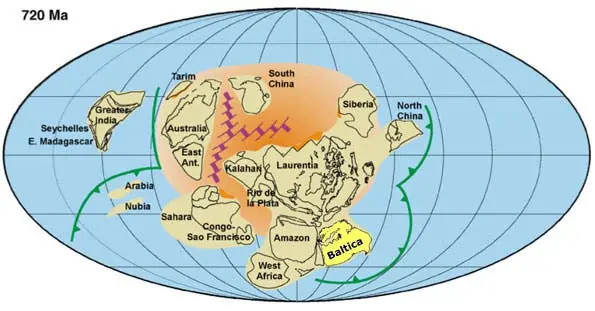
This is the story of the last in a breed of geological titans, a supercontinent we named Gondwana.
This is the story of the last in a breed of geological titans, a supercontinent we named Gondwana.

Turns out, they emerged in the Cretaceous, when T-Rex still roamed the land.

The extinct species offers a glimpse into New Zealand's long-lost mammal fauna.
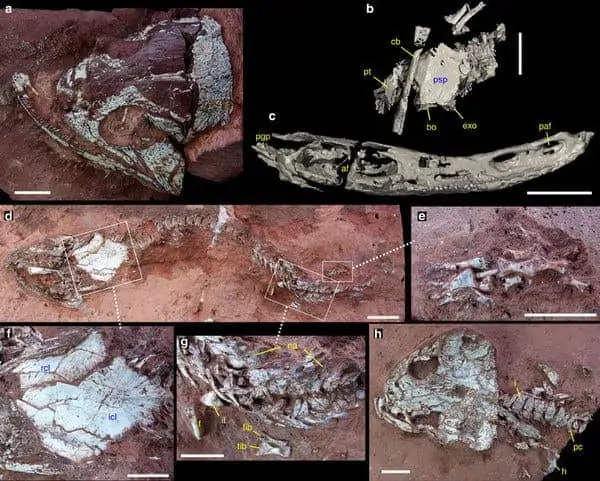
Researchers have found new fauna in northern Brazil, in what used to be the continent of Gondwana.
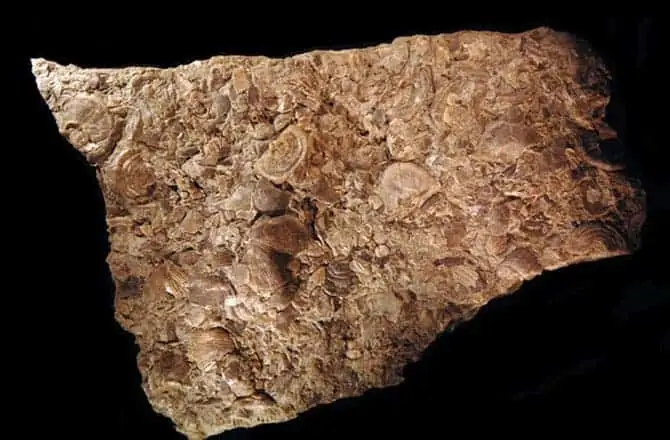
Land clearing and human habitation put significant pressure on local species - combine this with globalization and a general recklessness ...
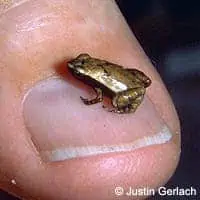
One of the smallest amphibians in the world, the Gardiner's Seychelles frog, is also one of the most eccentric. The frog ...
A 350 million year old fossilized scorpion has become the world's oldest known land animal to have ever walked the ...
Based on how the tectonic plates are moving now, no later than one hundred million years, Asia and the Americas ...


