

Birds are not navigating the right way to help plant species cope with changing climates, according to a new report.
As climate conditions get warmer all around the world, the latitudes where individual plant species would thrive are moving towards cooler latitudes — towards the north or the south, depending on which hemisphere you’re talking about. However, while their ideal location is shifting, the actual location of most species is not.
The culprit? Most likely the plants themselves for not evolving legs. But migratory birds also play an unwitting part in this story. According to the findings, the vast majority of plant species in European woodlands are dispersed by migratory birds. However, since these birds migrate towards warmer latitudes in the south, they’re carrying seeds the wrong way.
One-way ticket
“Contemporary climate change is so fast that many plants require dispersal distances far beyond those that normally take place locally,” said lead author Juan Pedro González-Varo, of the University of Cádiz.
“This is where migratory birds can play a major role, as they are capable of dispersing seeds over tens of kilometers. With this research, we wanted to know the potential of plant species to be dispersed by migratory birds towards future favorable areas.”
Plant species rely on animals for their mobility, which is mediated by animals eating their fruits and releasing their seeds later (hopefully in another place) following digestion. Birds, especially migratory birds, generally spread them over the longest distances.
In other words, how mobile a given plant species is over regional (as opposed to local) distances is highly dependent on how many bird species live in its area, their diets, and movement patterns. The authors of this study explain that this state of affairs is impairing the ability of plants to adapt to climate change.
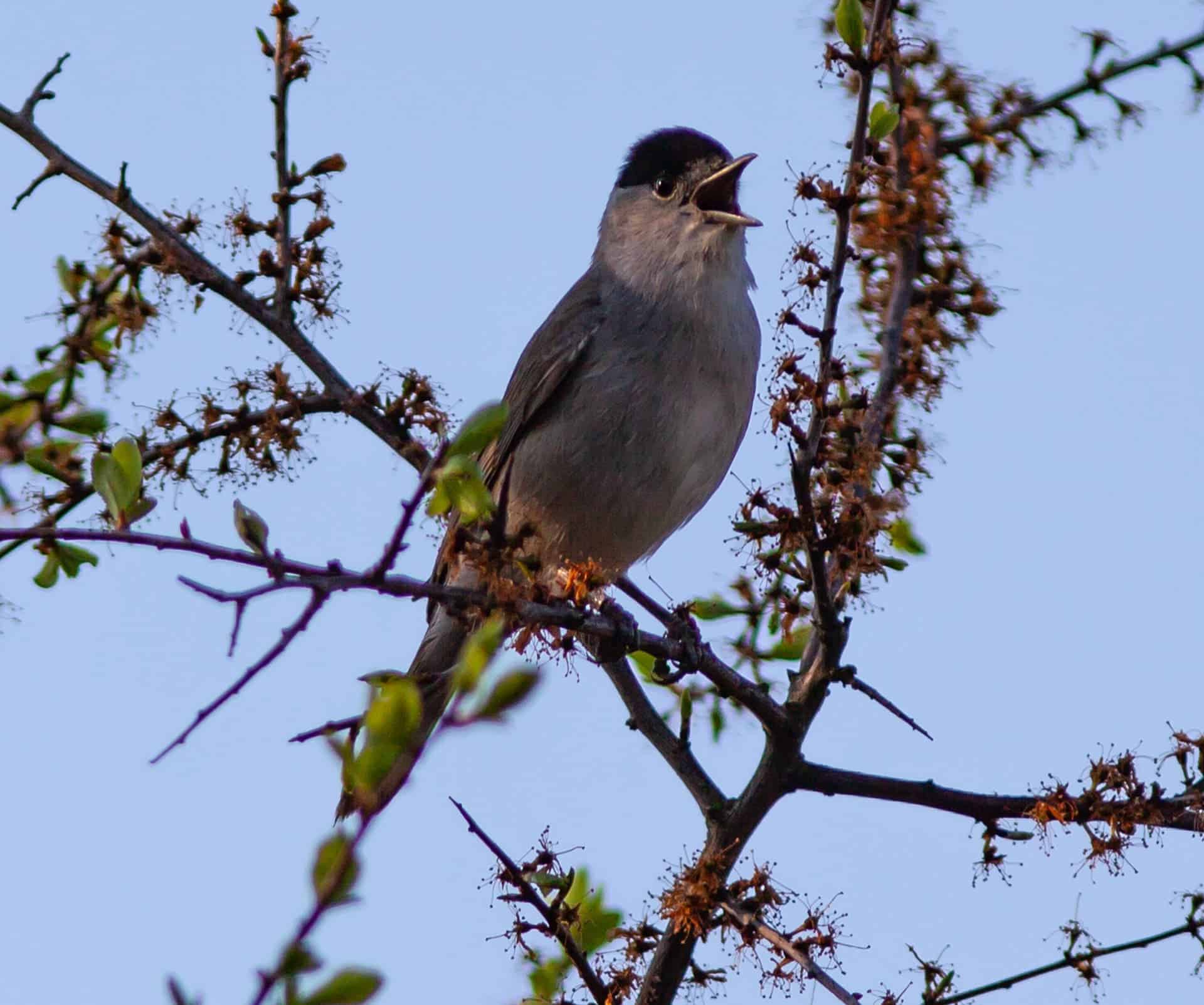
The research focused on bird species that consume fruits and disperse the seeds — not all species do — analyzing their migratory patterns. They also incorporated data on the fruiting periods of individual plants, pooling these together to see which species can potentially spread which seeds, and where. For example, a Eurasian blackcap (Sylvia atricapilla) will eat dogwood fruits, a plant with a short fruiting period that coincide with the bird’s migration southwards. This tells the team that blackcaps can spread dogwood seeds, not locally but over long distances, i.e. to warmer latitudes.
A total of 13 European woodlands were analyzed in this way, representing 949 interactions between 46 bird and 81 plant species. The team notes that only 35% of the plants from these woodlands had their seeds carried northwards by birds that migrate come springtime.
On the other hand, 86% of plants had their seeds dispersed by birds migrating to warmer areas in autumn. These two figures add up to more than 100% because some species of plants are dispersed both northwards and southwards during spring or autumn migrations).
“Under climate change, species redistribute themselves to track suitable climate conditions,” explains co-author Dr. Benno Simmons, of the University of Exeter. “As plants cannot move themselves, they require species like birds to disperse their seeds to new areas. We wanted to know how well migratory birds might be able to do this.”
“We found that northward dispersal to cooler areas is done by only a small number of migratory bird species, some of which are under hunting pressure. Our study emphasizes the importance of these species for helping European plant communities experiencing climate change.”
Plants were most likely to be dispersed northwards if they had long fruiting periods, or would bear fruit close to springtime, between February and April, when some species migrate north. Juniper and ivy are good examples of plants that are taking advantage of these spring movements of birds.
Although pretty much all migratory birds in Europe move the same direction, north in spring and south in autumn, the study reports that not all are equal in regards to seed dispersal. Palearctic species, those that winter in central and southern Europe or North Africa — had the greatest potential to spread seeds towards colder latitudes. This group includes robins, blackcaps, blackbirds, and several species of thrush, all generally abundant and widespread species on the European continent.
Although they are common, many of these species are also facing a lot of pressure from hunting or habitat destruction, both legal and illegal. The team hopes that their findings will give “added value to these species”, as they’re key players in helping Europe’s woodlands adapt to climate change.
The paper “Limited potential for bird migration to disperse plants to cooler latitudes” has been published in the journal Nature.


