maize

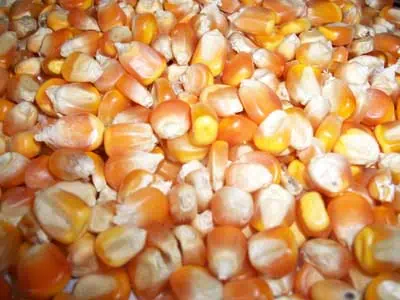
Maize (pron.: /ˈmeɪz/ MAYZ; Zea mays subsp. mays L, from Spanish: maíz after Taíno mahiz), known in some English-speaking countries as corn, is a large grain plant domesticated by indigenous peoples in Mesoamerica in prehistoric times. The leafy stalk produces ears which contain the grain, which are seeds called kernels. Maize kernels are used in cooking as a starch. The Olmec and Mayans cultivated it in numerous varieties throughout Mesoamerica, cooked, ground or processed through nixtamalization. Beginning about 2500 BC, the crop spread through much of the Americas.[1] The region developed a trade network based on surplus and varieties of maize crops. After European contact with the Americas in the late 15th and early 16th centuries, explorers and traders carried maize back to Europe and introduced it to other countries. Maize spread to the rest of the world because of its ability to grow in diverse climates. Sugar-rich varieties called sweet corn are usually grown for human consumption, while field corn varieties are used for animal feed and as chemical feedstocks.

For more information about maize check the Wikipedia article here

ZME Science posts about maize

Genetic tweak makes plants produce enzyme-replacing drug

Wed, Sep 19, 2012

0 Comments

Culturing mammalian cells is currently the only way to make some complex proteins used in certain drugs; but growing such cultures is an extremely difficult and delicate job, because they can harbor human pathogens and must therefore be kept under strict temperature conditions. It’s a difficult job, but it’s definitely worth it; take a look [...]

Subscribe for FREE!

Popular This Week

Drop us a line!

Tip us on news, scientific reports and studies, scientific advances, science art, interesting phenomena or any kind of science related material. Just write to andrei@zmescience.com.