

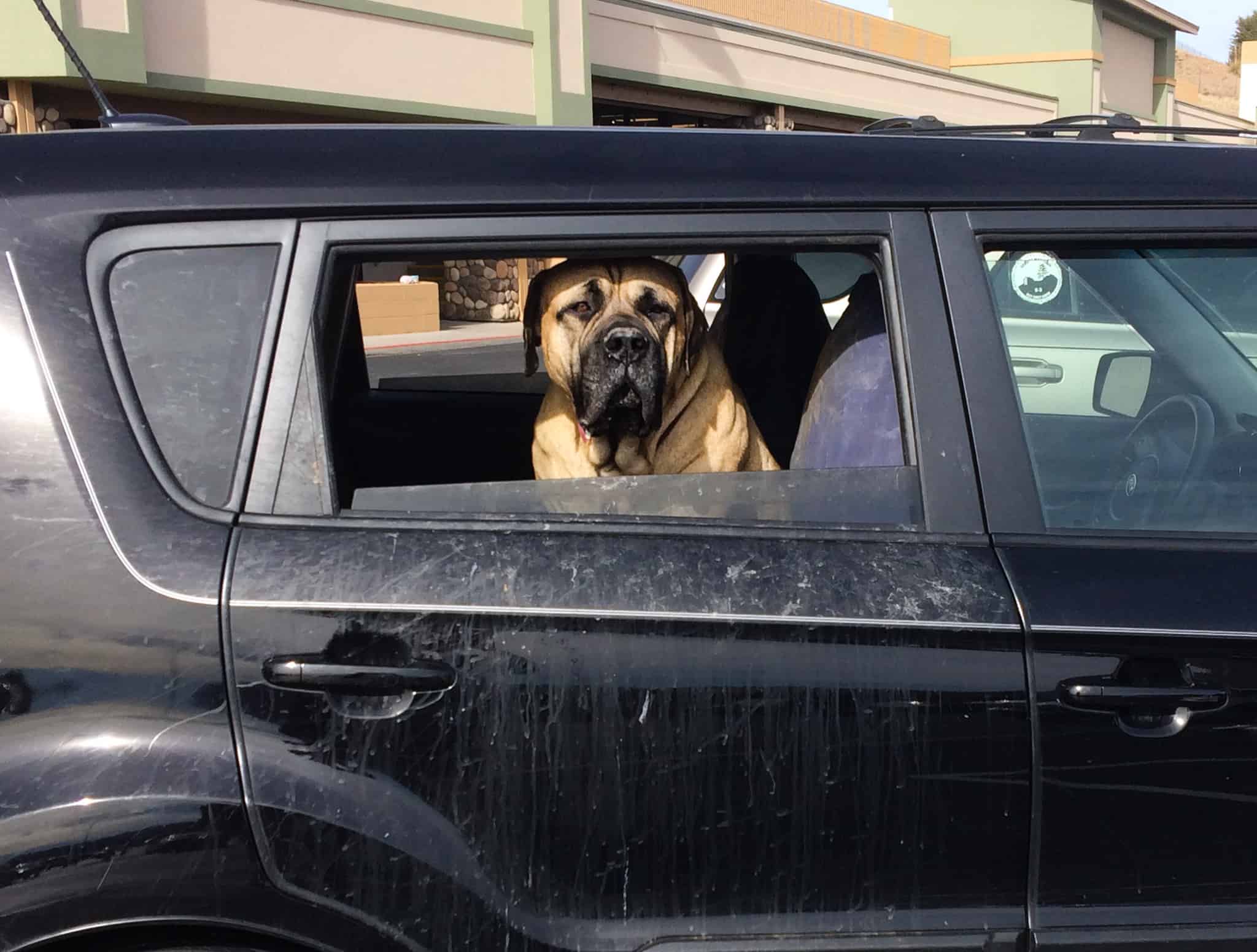
Following a particularly violent dog attack in Birmingham, UK, authorities announced that they are looking into banning some dog breeds. The idea is that some breeds are more aggressive than others. England announced it would ban American XL bully dogs next year. However, experts say doing so is not only ethically questionable but also uneffective. When it comes to dog aggression, it’s more about nurture than nature.
Not the good approach
These types of bans typically target specific dog breeds that are perceived as inherently dangerous, such as Pit Bulls, Rottweilers, and Doberman Pinschers. However, the effectiveness of these bans in reducing dog-related violence is highly questionable — and for several reasons.
The first reason is that breeds are not as clear-cut as you may think.
Many dogs identified as dangerous breeds are often mixed breeds with only superficial similarities to the targeted breeds. This inaccuracy leads to unfair targeting and euthanasia of dogs that are not genuinely more prone to aggression.
Take Bully XLs, for instance. They’re a relatively new breed that’s not even recognized as a specific breed in the UK. It’s not even clear what kind of ancestors they descended from. Likely ancestry includes bull terriers, American bulldogs, and Staffordshire bull terriers, but the heritage of this breed is not exactly well known.
The second reason is that the causes of dog aggressiveness seem more connected with individual dog personality rather than breeds. Large-scale research showed that breeds don’t predict personality and a pedigree by no means guarantees what a dog will behave like.
In a recent study, scientists examined traits like impulsivity and reaction to positive or negative triggers – factors linked to aggressive behavior. They looked at eight dog breeds subject to breed-specific legislation (such as pit bulls) and 17 breeds that are not. The findings indicated that breed by itself is an unreliable indicator of individual behavioral tendencies, including aggression-related ones.
“Whilst on average, there might be differences between one breed of dog and another, the variation within a breed almost always means there’s overlap,” said Daniel Mills, a professor of veterinary behavioral medicine at the University of Lincoln, who led the research.
“Suggesting that certain breeds are more problematic than others was “an oversimplification, it is headline-grabbing, and it is unhelpful”.
Then, there’s another piece of evidence: several places have already implemented breed-specific legislation (BSL). It didn’t work.
Banning dog breeds doesn’t work
Breed bans create a host of problems for responsible dog owners and their pets. Owners of banned breeds often face difficulties in finding housing, insurance, and may even be forced to relinquish their beloved pets. Moreover, many dogs that pose no threat to public safety are unfairly penalized and may end up in shelters or euthanized.
But even if you ignore all that, the evidence doesn’t show an improvement in bite violence after such bans were implemented. BSL seems to bring a lot of hardship for both dogs and owners, but it doesn’t seem to bring that many benefits for anyone.
That’s why many experts advocate for behavior-based policies rather than breed-specific ones. This approach involves evaluating and addressing the behavior of individual dogs, regardless of their breed. Policies could include mandatory training for dogs that show signs of aggression, regardless of their breed.
“Banning more breeds won’t work. New varieties will fill the gap, like what happened with the pit bull,” writes Carri Westgarth, Chair in Human-Animal Interaction, University of Liverpool. “Dog bites are a complex societal problem and we cannot expect a quick legislative fix (such as banning a breed or reintroduction of dog licenses) to solve it. Dog licensing would be prohibitively expensive to manage and without strict enforcement, would be easy to circumvent.”
Moving beyond breeds
Dogs don’t bite because they’re one breed or another. They bite because of:
- Feeling Threatened or Scared: Dogs often bite when they feel threatened or scared. This can occur if they’re approached too quickly, cornered, or startled. This is probably the most important reason to address if we want to address dog biting.
- Protecting Territory or Possessions: Dogs might bite to protect their territory, food, toys, or even their human family members from perceived threats.
- Pain or Illness: A dog experiencing pain or suffering from an illness may bite if someone touches a sensitive area or if they feel vulnerable.
- Maternal Instincts: Mother dogs are highly protective of their puppies and may bite if they perceive any threat to their litter.
- Playfulness: Sometimes, dogs get overly excited during play and may bite unintentionally. This is more common in puppies who haven’t yet learned bite inhibition.
- Resource Guarding: Some dogs may bite to guard resources that are valuable to them, such as food, treats, toys, or certain areas in the home.
- Rough Handling: Rough or inappropriate handling, especially by children who may inadvertently hurt the dog, can provoke a bite.
If we want to truly address the complex problem of dog bites, we need to start working on education around those issues.
Educating both dog owners and the public about dog behavior, proper training techniques, and responsible pet ownership can have a far-reaching impact on reducing dog attacks. Community programs that offer training and support to dog owners, especially those with limited resources, can be highly effective.
“Although you do occasionally get unprovoked attacks, the vast majority of dog attacks are due to irresponsible ownership, irresponsible owner behavior, or irresponsible behavior around dogs,” Mills adds.
Ultimately, addressing dog aggression effectively requires a focus on education rather than on breed-specific characteristics. A comprehensive approach encompassing owner education, responsible pet ownership, and understanding dog behavior is key to reducing dog bite incidents. This shift from breed-focused policies to a more nuanced understanding of canine behavior can lead to more effective and humane solutions, fostering a safer environment for both dogs and their human companions.


