
Sodium channel

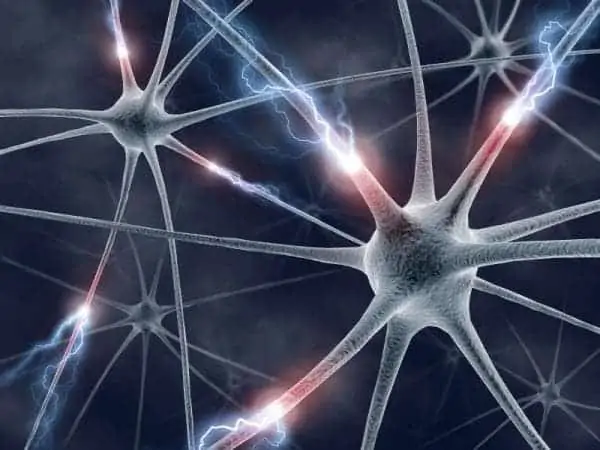
Sodium channels are integral membrane proteins that form ion channels, conducting sodium ions (Na+) through a cell's plasma membrane.[1][2] They are classified according to the trigger that opens the channel for such ions, i.e. either a voltage-change ("Voltage gated", "voltage sensitive" or "voltage dependant" sodium channel also called "VGSCs" or "Nav channel") or binding of a substance (a ligand) to the channel (ligand-gated sodium channels).

For more information about Sodium channel check the Wikipedia article here

ZME Science posts about Sodium channel

Why the brain gets slower as we get older

Wed, Feb 1, 2012

1 Comment

From a certain age onward, humans seem to process information at a slower pace – learning new things becomes more difficult, remembering where you put the car keys seems to give headaches, and it gets ever worse as we age even more. Neuroscientists at the University of Bristol studying dysfunctional neural communication in Alzheimer patients demonstrated that the [...]

Subscribe for FREE!

Popular This Week

Drop us a line!

Tip us on news, scientific reports and studies, scientific advances, science art, interesting phenomena or any kind of science related material. Just write to andrei@zmescience.com.