

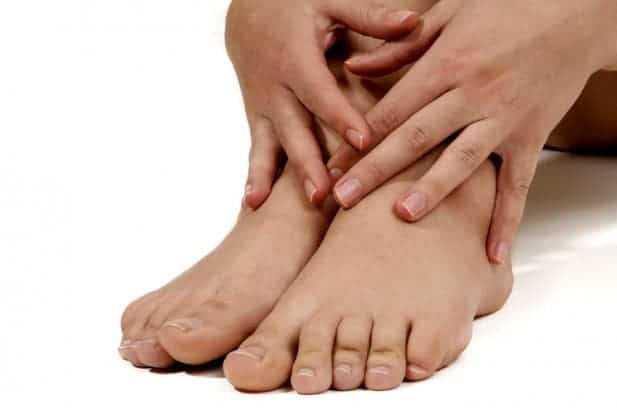
A team of researchers, lead by itch expert Gil Yosipovitch, have studied which parts of the body produce the most pleasure when scratched, and found that scratch relief varies along different areas of the body. If you believe this study is totally irrelevant or useless, Yosipovitch believes otherwise and explains how the science of itching might help mankind, if we knew more. So far, scientists are just scratching the surface.
Yosipovitch and his team from Wake Forest Baptist Medical Center chose three different body parts to evaluate scratching-induced pleasure – ankles, forearms and back. Test participants were rubbed with cowhage spicules, a substance which is known to cause severe itching, on each body part at a time. After they applied the itchy substance, participants were asked every 30 seconds about the degree of pleasure they sensed when scratching. After 5 minutes, the spicules were removed with adhesive tape, otherwise it would’ve been quite the unpleasing day.
Professor Francis McGlone, a member of the International Forum for the Study of Itch and one of the researchers, said: “It was interesting that the ankle was the itchiest site and that the most pleasure came from scratching it, because the back has been well-known as a preferred site for scratching.”
The results show that itch was perceived most intensely at the ankle and back, while the perception of itch and scratching relief were less pronounced on the forearm. Well, alright, why would anyone spend grant money on this?
“We see commonly involved areas such as the ankle and back in itchy patients with skin disorders caused by eczema or psoriasis,” Yosipovitch said. “We never understood why those areas were more affected, and now we better understand that itch in these areas is more intense and pleasurable to scratch.”
Ankles may have evolved to be more sensitive because they come into contact with insects and germs which could be removed through scratching. Nerve fibers are involved in the transmission of unpleasant sensations, like itching and pain, to the brain and Yosipovitch believes that there are also specific nerve fibers involved in pleasure. “If we could translate this to a treatment that induces a pleasurable relief sensation without damaging the skin, we may be able to help itchy patients,” he concluded.
The study was has been published in the British Journal of Dermatology.
Was this helpful?