
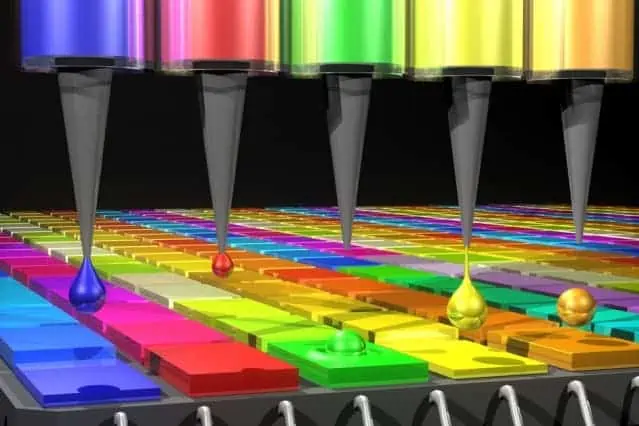
Spectrometer is small enough to fit in your smartphone
MIT engineers demonstrated a working spectrometer that took a huge leap in scale from a huge, bulky lab gear to ...
MIT engineers demonstrated a working spectrometer that took a huge leap in scale from a huge, bulky lab gear to ...
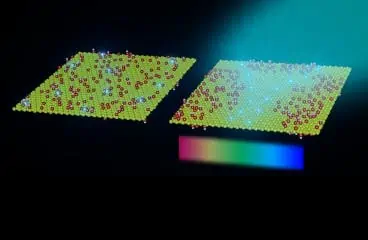
Graphene, a 2-D array of carbon atoms arranged in a hexagon shape, is one of the most researched material today. ...
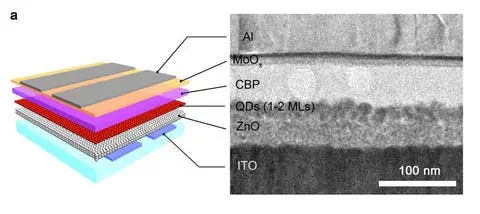
The quantum dot device structure shown with a transmission electron microscopy (TEM) image of a cross-section of a real device. ...
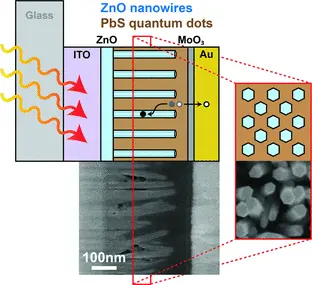
For some years now, scientists have been exploring the use of quantum dots as the basis for a novel type ...
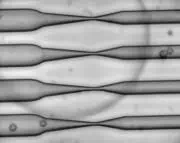
A group of researchers at MIT have devised a new method for infiltrating cells with large molecules such as nanoparticles ...

Most digital devices today, like displays or blue-ray disks, use lasers which emit the colors red, green and blue, which ...
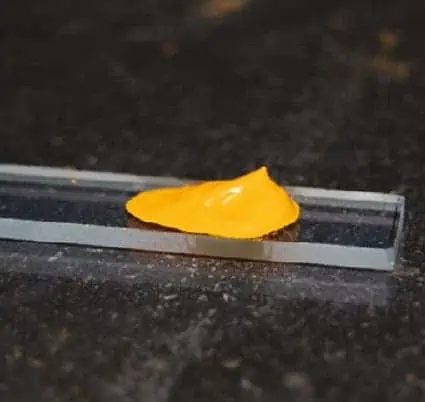
Researchers have successfully managed to create a "solar paint" made out of quantum dots, which exhibits similar properties to multifilm solar ...