

The Trappist-1 exoplanets could be worlds of water or rust
The Trappist-1 exoplanets are comprised of similar materials to Earth but their lower density could indicate radically different worlds.
The Trappist-1 exoplanets are comprised of similar materials to Earth but their lower density could indicate radically different worlds.

It's older than Earth itself!

Citizen scientists found five "musical" exoplanet.

You can explore the solar system from the comfort of your home.

Well, they don't anymore.

Anyone care to wager which name popped up instantly?
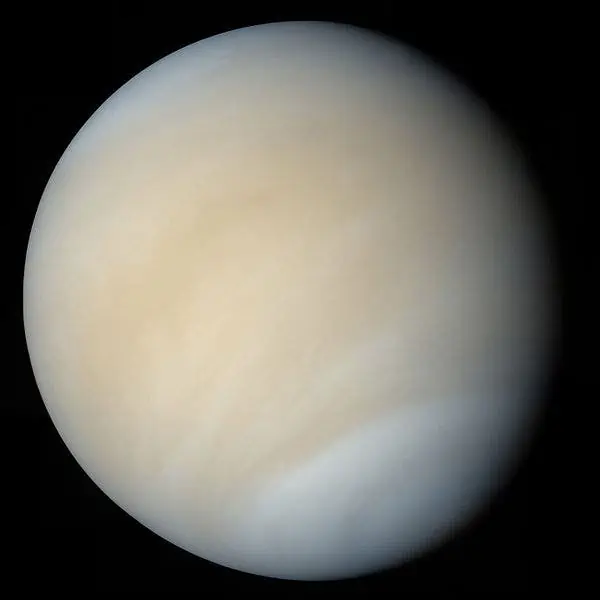
Now? Not so much.
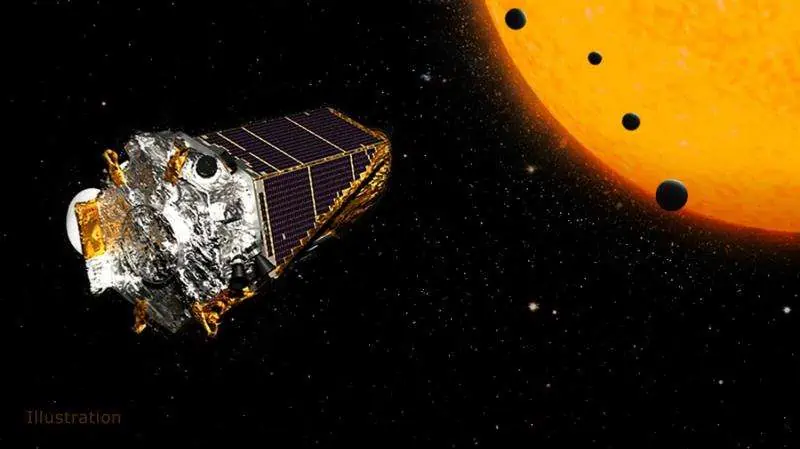
Of these planets, four are believed to potentially be similar to Earth.
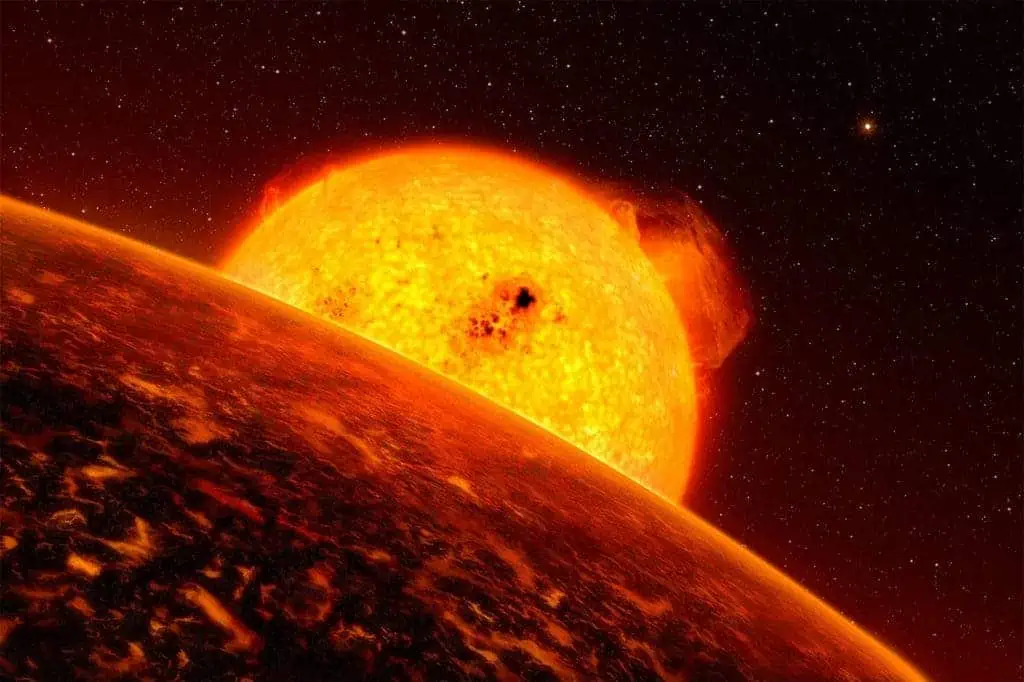
Astrophysicists have discovered a new class of exoplanets whose atmospheres and volatile elements have been blown away by the star ...
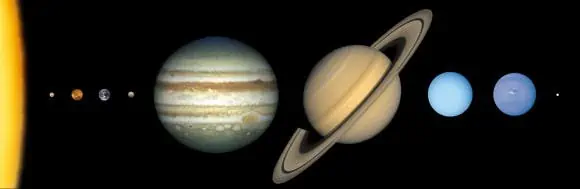
Planetary Suite by Steve Guildea; Oil on Canvas, 9 Panels 6'x13'3"(Collection of Merrimack College) This magnificent painting by Steve Gildea ...
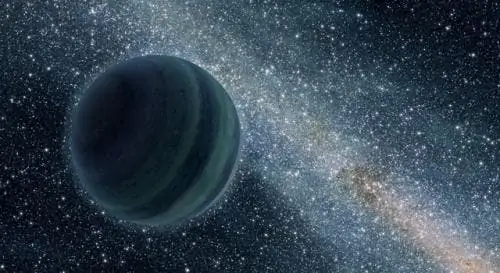
Finding new planets is interesting an remarkable, but finding a whole new class of planets - that's definitely something extraordinary. ...
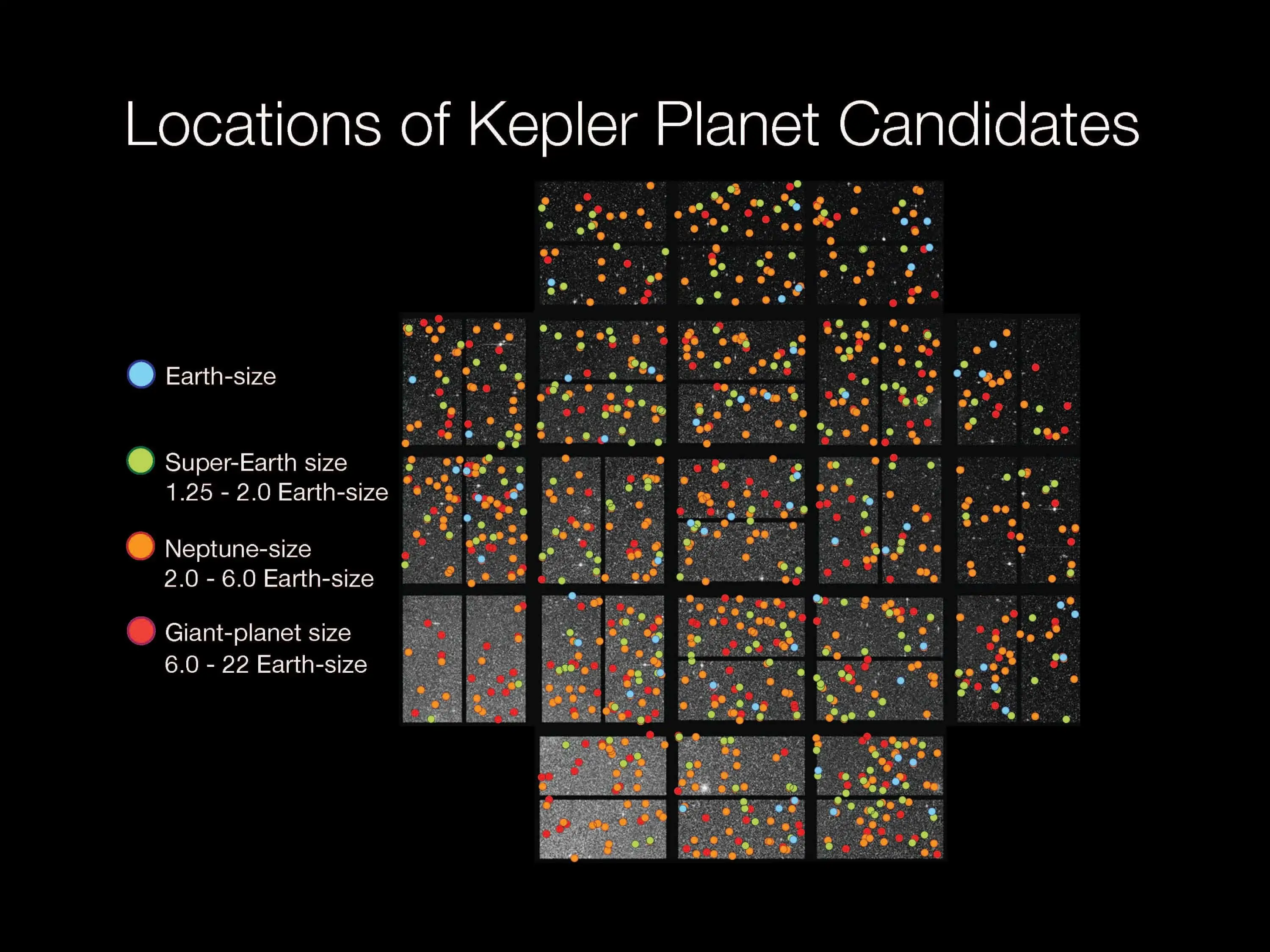
Kinda gives you goosebumps, doesn't it ? Via Berkeley Uni
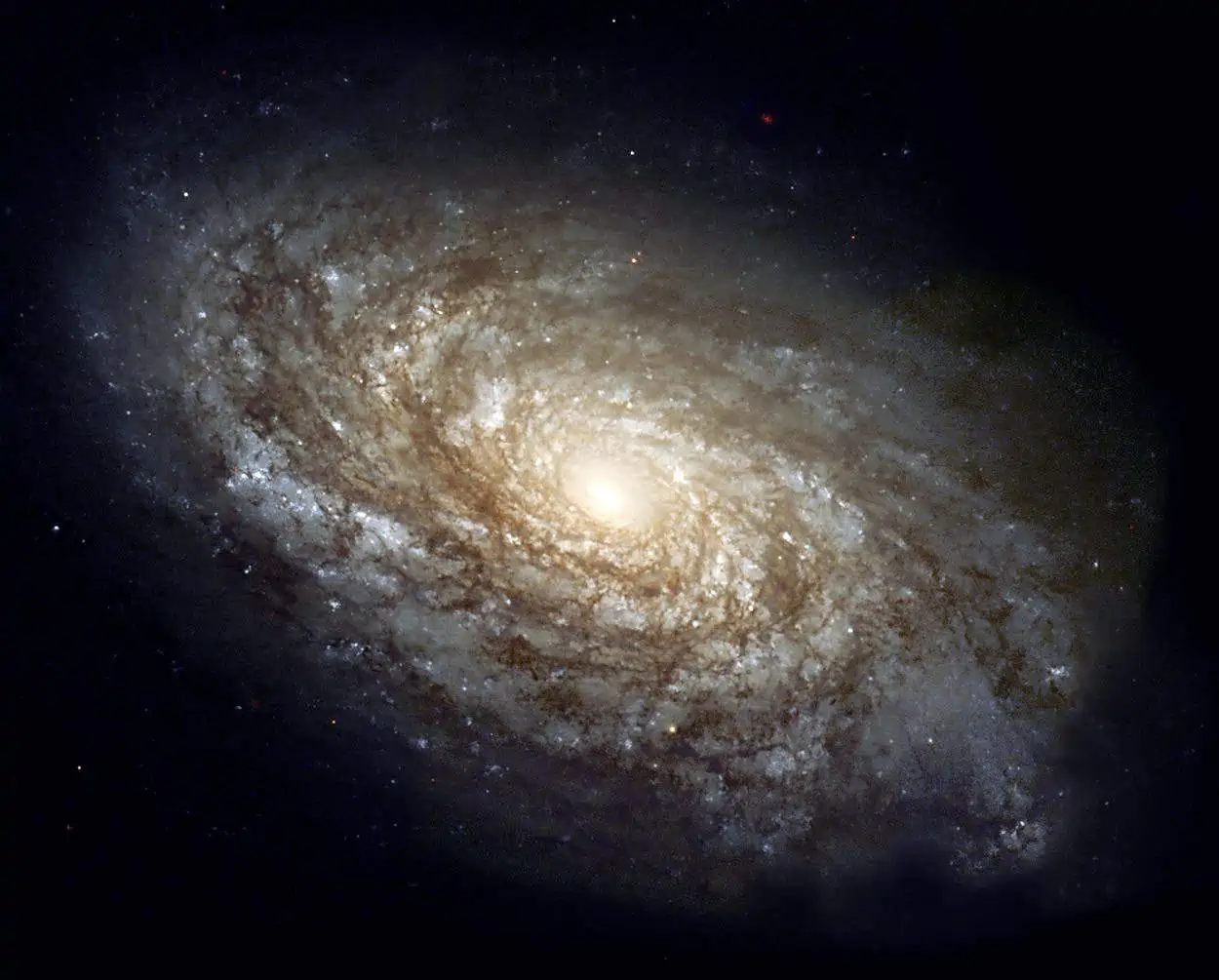
Yes, you've read that right. There are over 50 billion planets in our galaxy alone, according to the Kepler telescope, ...
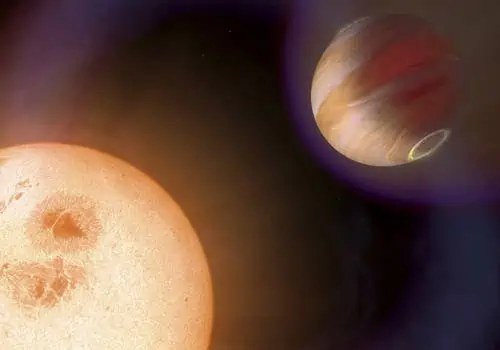
The discovery of 9 new planets raises some serious questions on the matter of how planets are formed. Two astronomers ...
The Planet Researchers have long been interested in finding other planets that have approximately the same size as our mother ...