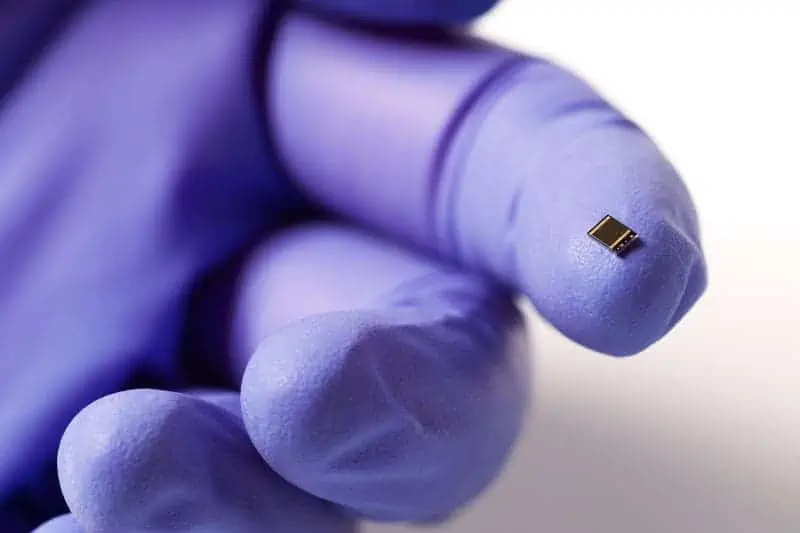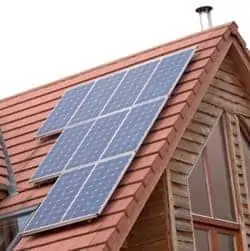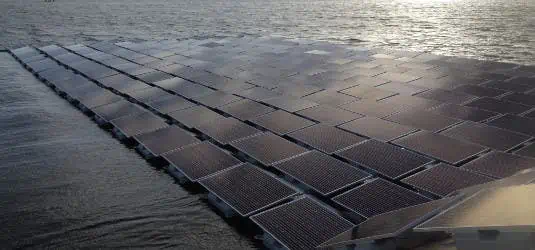
Photovoltaics (PV) is a method of generating electrical power by converting solar radiation into direct current electricity using semiconductors that exhibit the photovoltaic effect. Photovoltaic power generation employs solar panels composed of a number of solar cells containing a photovoltaic material. Materials presently used for photovoltaics include monocrystalline silicon, polycrystalline silicon, amorphous silicon, cadmium telluride, and copper indium gallium selenide/sulfide. Due to the increased demand for renewable energy sources, the manufacturing of solar cells and photovoltaic arrays has advanced considerably in recent years.
I recently came across a great article discussing solar photovoltaic (PV) efficiency. You can read it in its entirety on this website - here’s the gist. When people hear that the typical efficiency for solar power is somewhere around 15%, or even as low as 12% for organic photvoltaics, they scoff and start to mumble that [...]
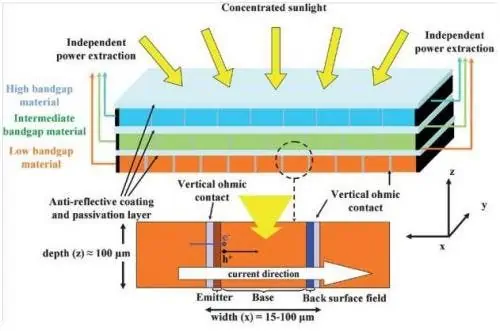
The new architecture, depicted in the picture below can exceed a 40 percent conversion efficiency, and even when irradiated from the side it generates solar conversion efficiencies that rival, and may eventually surpass, even the most ultra-efficient photovolataics. The new cell was developed by researchers working on the David Ben-Gurion National Solar Research Center, and [...]
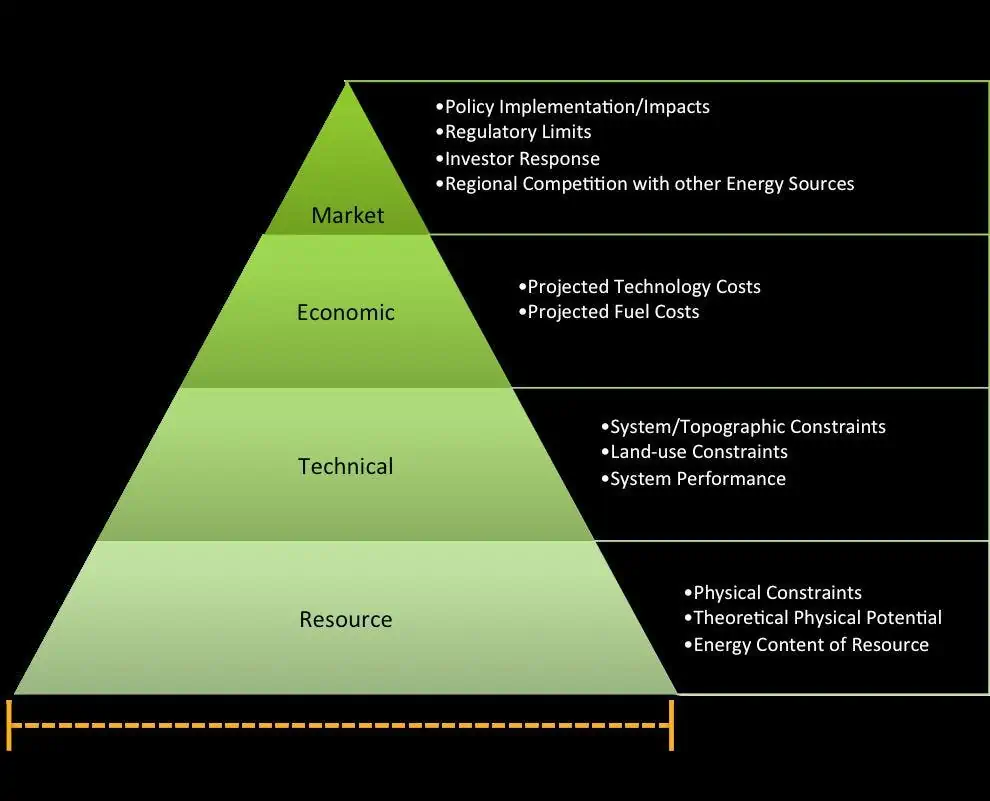
A recent study of gargantuan proportions estimated that the technical potential of photovoltaic cells and concentrated solar power (CSP) in the United States, at today’s level of research and with today’s possibilities, is enough to generate about 400,000 TWh of energy annually, significantly more than any other renewable energy source. The study The National Energy [...]
Tue, Jan 22, 2013
1 Comment