

This is probably the best way to spot bacteria in a fluid
AI-assisted Raman spectroscopy is great at identifying bacteria and it's way better than just regular Raman spectroscopy.
AI-assisted Raman spectroscopy is great at identifying bacteria and it's way better than just regular Raman spectroscopy.

These aren't your average pots and bowls.

Maybe not man but robots can save the world from plastic.

We are one step closer to having a pesticide free diet.

Patients with viral pneumonia are often given treatment for bacterial pneumonia, and this is not good.

Scientists have developed minute artificial muscles to power Lilliputian drones.
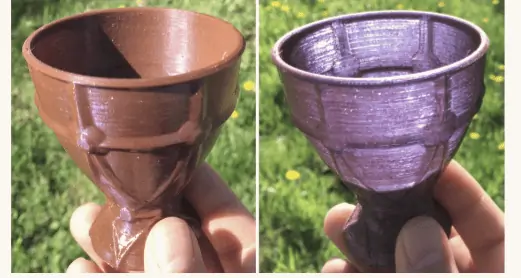
Talk about a surprising change!

Isn't he adorable?
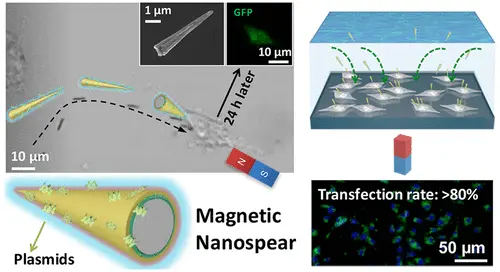
This new technique is less harmful to the cells and more efficient than other non-viral DNA transfer techniques.
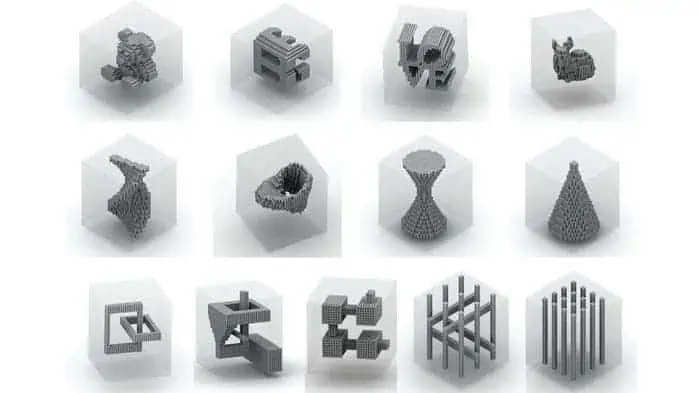
The fist DNA benders!

They use the most advanced nanotechnology.

Crystal lovers rejoice - researchers have created the largest database of elemental crystal surfaces and shapes to date.
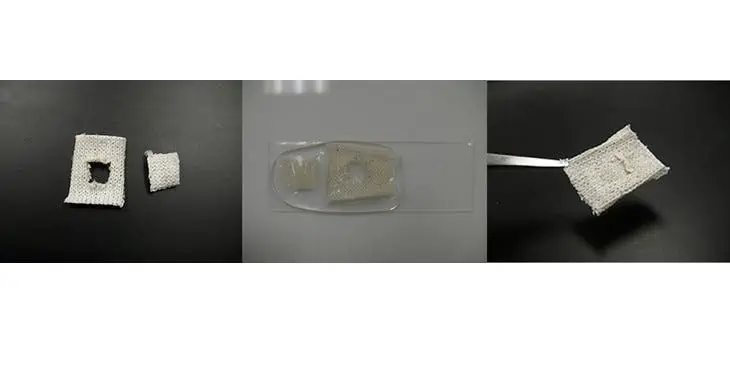
The self-healing fabrics could break down lethal toxins before they reach the skin.
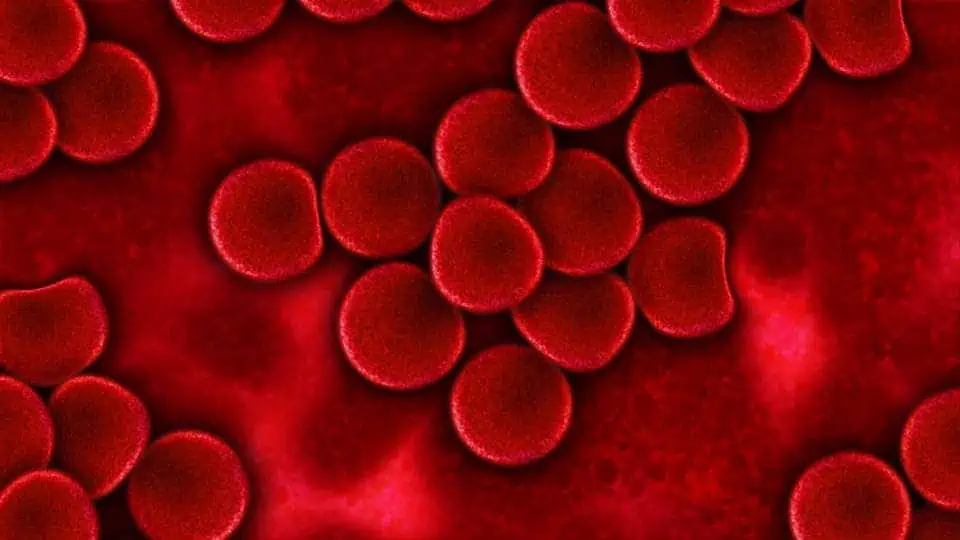
Tiny robots might soon replace invasive surgery.
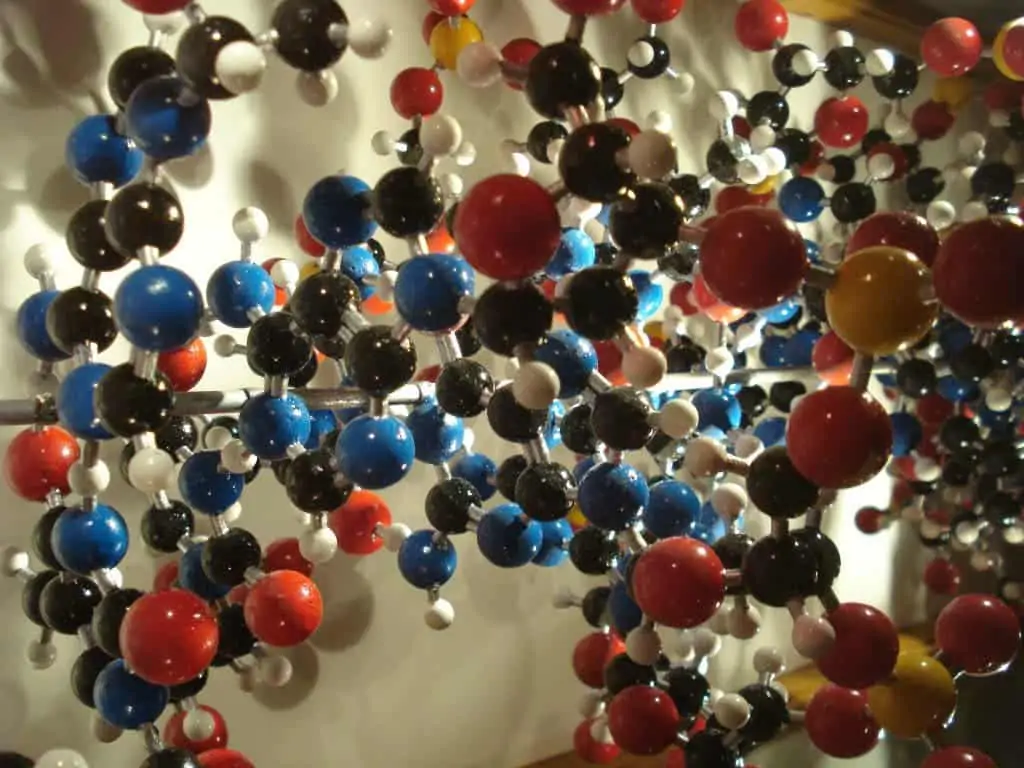
In the new technique, nanotechnology is used to determine whether a specific target nucleic acid sequence exists within a mixture, ...

Winegard et al, 2014. When it feels threatened, the hagfish produces a slime which is only 12 nanometers wide, but 15 centimeters long ...

Nanofluids, fluids containing nanometer-sized particles, show immense potential for future engineering. Even water flowing through nanotubes flows much faster than traditional ...
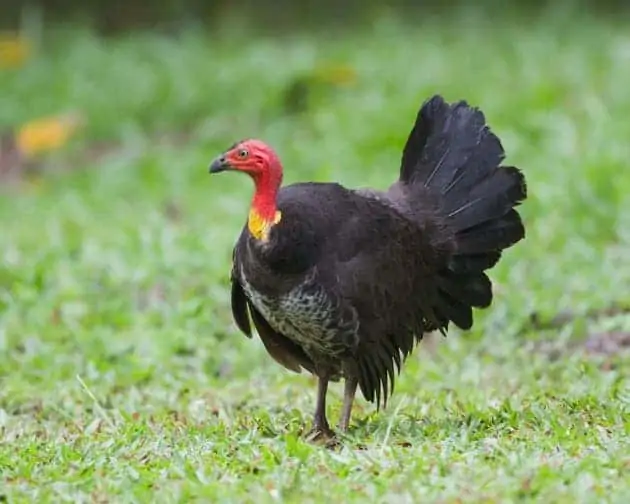
Credits: JJ Harrison. Australian brush turkeys incubate their eggs in places most animals would stay clear of: moist piles of rotting ...
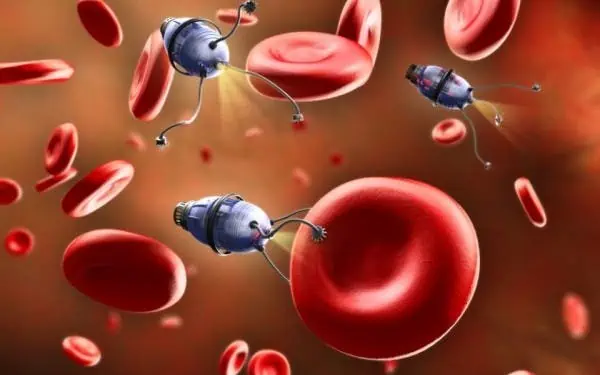
The future is here. Nano-sized entities made of DNA that are able to perform the same kind of logic operations as ...

Professor Zhang Li shows enlarged images of his team's medical microbots that are being tested. Photo: Nora Tam Researchers at ...

Mona Lisa is probably the most well known picture in the world - it's been painted thousands of times, inspired ...

Creating glasses that don't fog or freeze up could not only bring a world of comfort to millions of people, ...

The veined wing of the clanger cicada kills bacteria is able to destroy bacteria by its structure alone - one ...
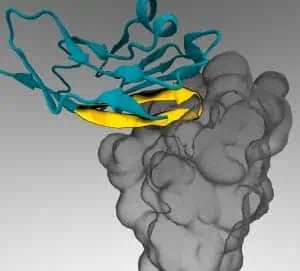
Most of the time, when you're sick, you want to deliver drugs and imaging agents to diseased cells or tumours ...
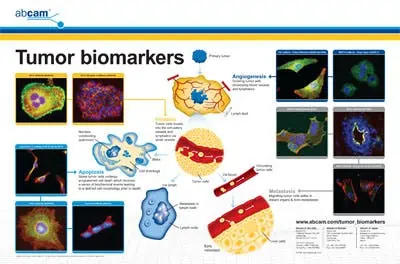
Finding ways to diagnose cancer earlier could potentially save millions of lives, improving the chances of survival for many patients. ...
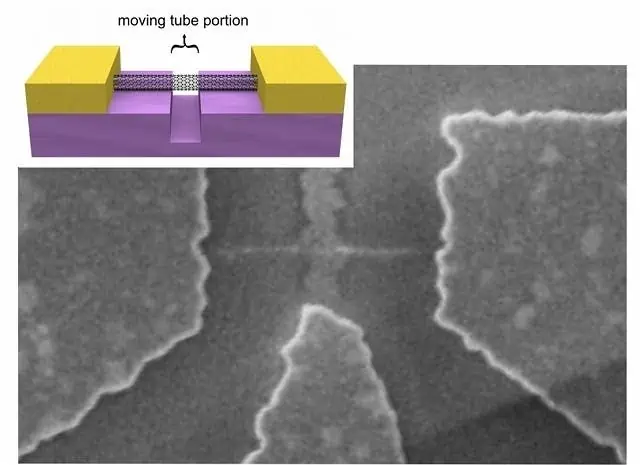
While on the macro-scale conventional scales make us of gravity to measure mass, on the microscale there are a myriad ...
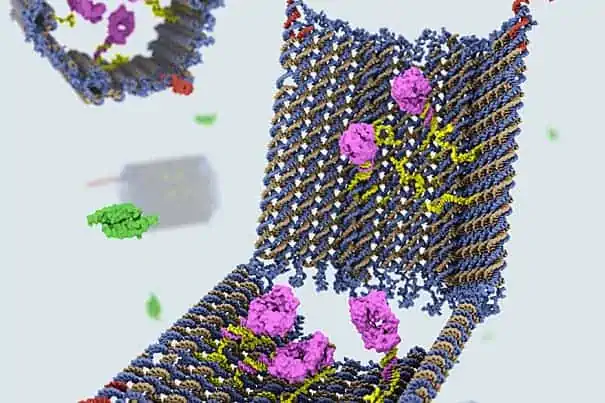
In what can only be hailed as a breakthrough in the "smart drugs" field, scientists at Harvard University have successfully ...
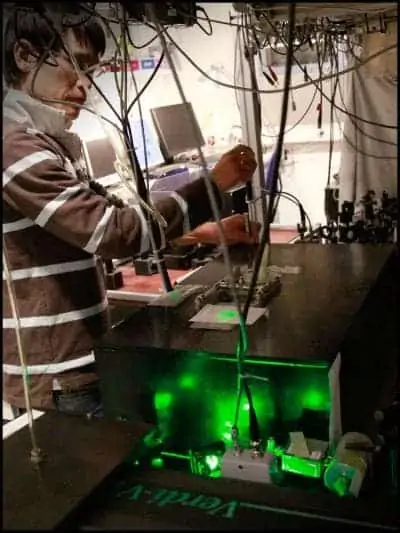
By harnessing the science of both quantum and nano physics, scientists at the Niels Bohr Institute have come up with ...
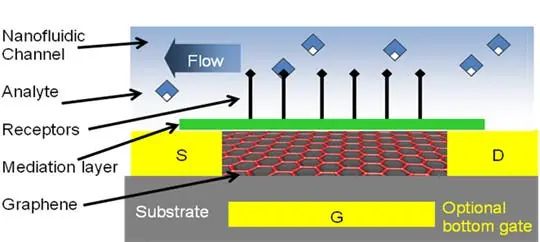
Remember this name: graphene. This wonder material is certainly on a lot of scientists' lips these days, but in a ...
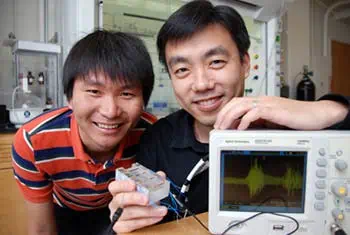
At the nano scale, even the slightest of motions can be harnessed and transformed into useful work. Material science researchers ...

Scientists at Northwestern University have developed a new nanomaterial of exciting properties, which will allow for the computer of the ...
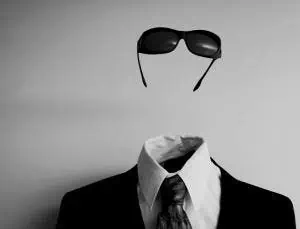
You've seen James Bond's vanishing Aston Martin or Frodo's Elven cloak, and probably always wished for your own means of ...
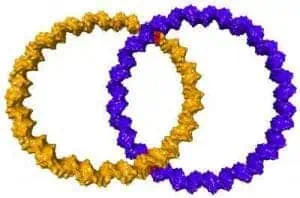
DNA nanotechnology is one of the most exciting branches of nanotechnologies, especially because it uses the ability of natural DNA ...

I had no idea IBM was doing this kind of thing too, but I recently found out that they developed ...
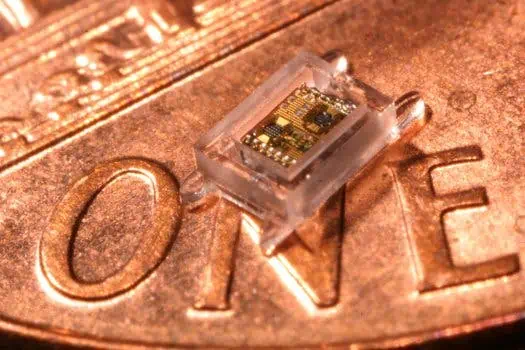
In a paper presented at the International Solid-State Circuits Conference (ISSCC) in San Francisco, researchers from Michigan University unveiled one ...
Hello! I've been running ZME Science for more than 2 years now, and the support you've shown has been increasingly ...
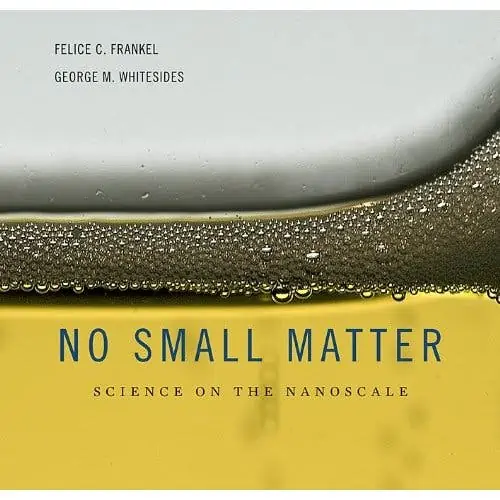
Nanotechnology is perhaps the field with the most spectacular development over the past years, but it can be really hard ...
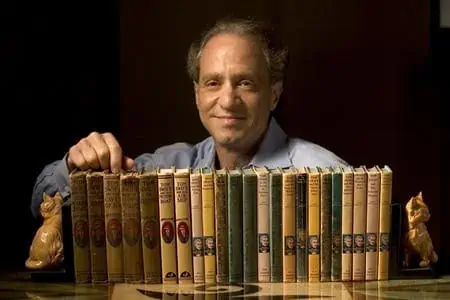
Raymond Kurzweil is one of the most prolific inventors and futurists; he's the one who developed text to speech synthesis ...
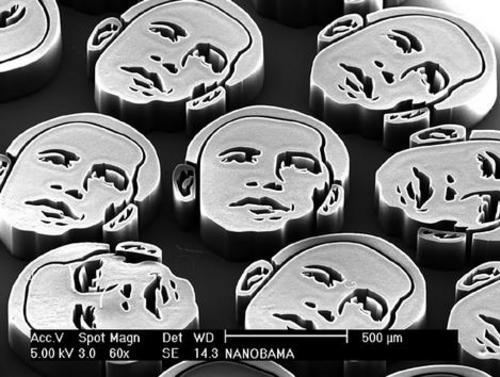
Meet the world's tiniest portraits of an elected president ever; meet the nanobamas. Each 'Obama' is made up of about ...
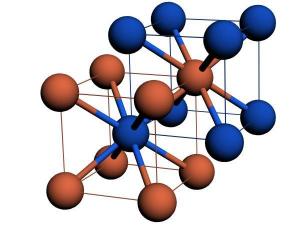
Researchers at at the U.S. Department of Energy's Brookhaven National Laboratory have achieved something that many people call the Holy ...
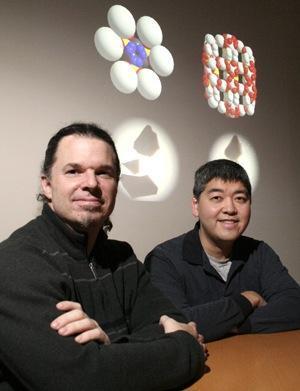
There are already numerous ways of storing gas but this is in fact a new concept, very different from those ...
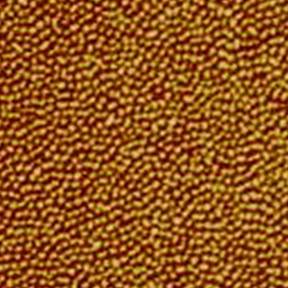
Nanotech could be applied in just about everything. With time scientists find out ways to apply it to various fields; ...
Nanotech is a very young science. It reffers to a field of applied science and technology whose unifying theme is ...