The term mythology can refer either to the study of myths (e.g., comparative mythology), or to a body or collection of myths (a mythos, e.g., Inca mythology).[1] In folkloristics, a myth is a sacred narrative usually explaining how the world or humankind came to be in its present form,[2] although, in a very broad sense, the word can refer to any traditional story.[3]Bruce Lincoln defines myth as "ideology in narrative form".[4] Myths may arise as either truthful depictions or overelaborated accounts of historical events, as allegory for or personification of natural phenomena, or as an explanation of ritual. They are transmitted to convey religious or idealized experience, to establish behavioral models, and to teach.
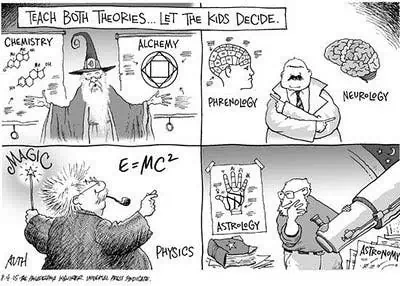
In a recent act that just baffles my mind, Tennesee, not one of the US brightest states, has passed a bill that makes it easier for virtually any creationist teacher to include religion in science class. They did this by including mythology in science classes to promote critical thinking. Now I wonder, do you think [...]
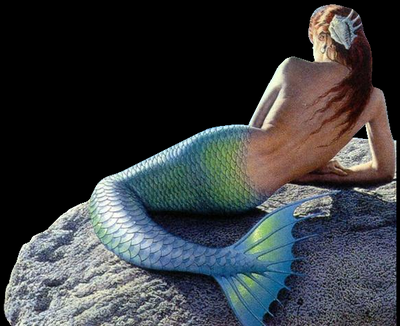
Locals, fishermen and tourists in the Israelian town of Kiryat Yam have been reporting repeated sightings of what they believe to be a mermaid, the mythological creature most often describe as half female, half fish. Shlomo Cohen is one of the first who reported such a sighting. Here’s what he had to say: “I was [...]
Mon, Apr 11, 2011
1 Comment