An implant is a medical device manufactured to replace a missing biological structure, support a damaged biological structure, or enhance an existing biological structure. Medical implants are man-made devices, in contrast to a transplant, which is a transplanted biomedical tissue. The surface of implants that contact the body might be made of a biomedical material such as titanium, silicone or apatite depending on what is the most functional. In some cases implants contain electronics e.g. artificial pacemaker and cochlear implants. Some implants are bioactive, such as subcutaneous drug delivery devices in the form of implantable pills or drug-eluting stents.
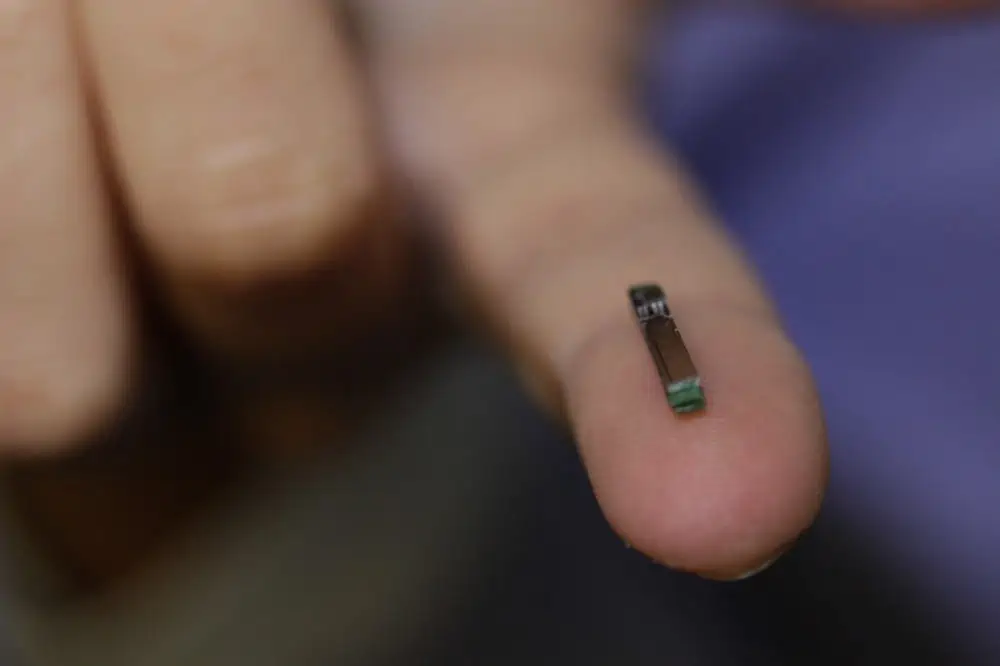
Miniaturization is a fad that’s increasingly popular in the field of medicine for obvious reasons, and scientists at EPFL have recently made a remarkable contribution - a tiny monitoring and diagnosis device implantable under the skin just a few cubic millimeters in volume that can instantly analyze key substances in the blood stream and transmit information to a [...]
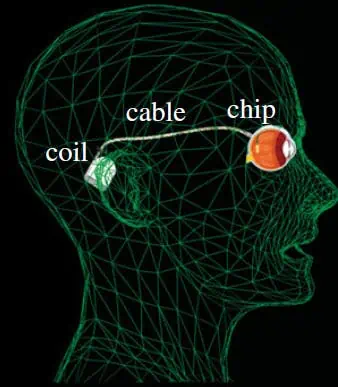
In the culmination of 15 years worth of painstaking research work related to retina implants, scientists from Germany and Hungary have for the first time demonstrated that a light sensitive electronic chip, implanted under the retina, can restore useful vision in patients blind from hereditary retinal degeneration. As part of the research, nine persons previously completely [...]
It seems like a scenario from a bad spy movie: someone hacking a medical device like an insulin pump or pacemaker and control it at his will. Unfortunately, this is all but possible. There are currently millions of people fitted with various electronic devices, some of which we’ve featured here on ZME Science. These range [...]
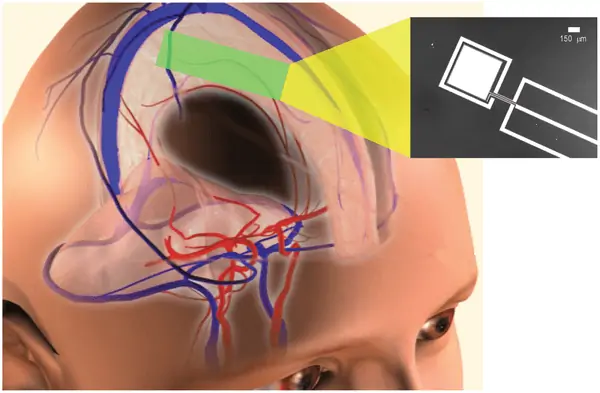
A team of researchers at MIT have successfully manage to fabric a fuel cell capable of running on glucose, which scientists envision will power highly efficient medical implants in the brain that can help paralyzed patients express motor functions again. The outputted power is in the microwatt range, but despite its low range, scientists claim it’s just enough to [...]
Wed, Mar 20, 2013
0 Comments