Igneous rock (derived from the Latin word ignis meaning fire) is one of the three main rock types, the others being sedimentary and metamorphic rock. Igneous rock is formed through the cooling and solidification of magma or lava. Igneous rock may form with or without crystallization, either below the surface as intrusive (plutonic) rocks or on the surface as extrusive (volcanic) rocks. This magma can be derived from partial melts of pre-existing rocks in either a planet's mantle or crust. Typically, the melting is caused by one or more of three processes: an increase in temperature, a decrease in pressure, or a change in composition. Over 700 types of igneous rocks have been described, most of them having formed beneath the surface of Earth's crust.
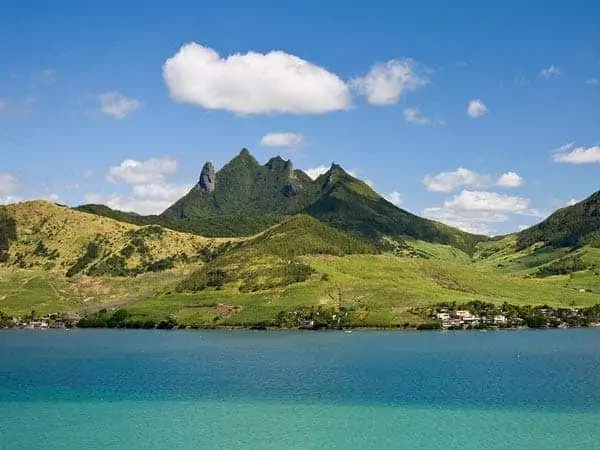
Evidence of drowned remnants of an ancient microcontinent have been found in sand grains from the beaches of a small Indian Ocean island, according to a new research. Zircons and volcanoes This evidence was found in Mauritius, a volcanic island 900 kilometres east of Madagascar which serves as an exotic destination for many tourists. Basaltic [...]
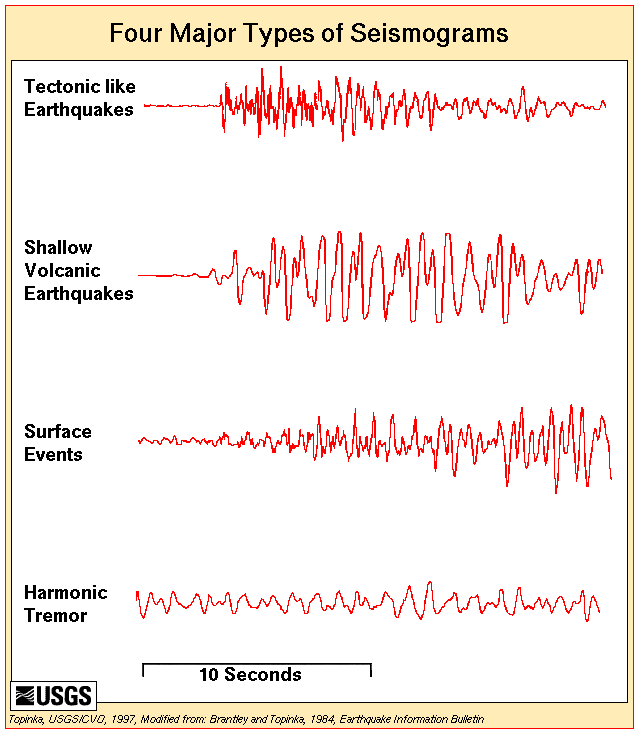
Analysis of crystal formed in the molten rocks of a volcano might predict volcanic eruptions with as much as a year in advance, researchers claim. Mixing Seismology and Petrology Drawing data from the volcanic activity of Mount Helens from 1980 through 1986, geologists found that iron- and magnesium-rich crystals grow before an eruption, and by [...]
Tue, Feb 26, 2013
0 Comments