Hubble telescope

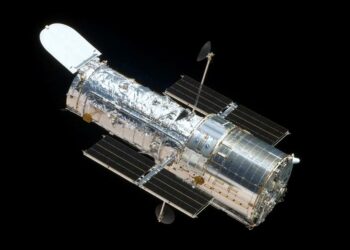
The Hubble Space Telescope (HST) is a space telescope that was carried into orbit by a Space Shuttle in 1990 and remains in operation. A 2.4-meter (7.9 ft) aperture telescope in low Earth orbit, Hubble's four main instruments observe in the near ultraviolet, visible, and near infrared. The telescope is named after the astronomer Edwin Hubble.

For more information about Hubble telescope check the Wikipedia article here

ZME Science posts about Hubble telescope

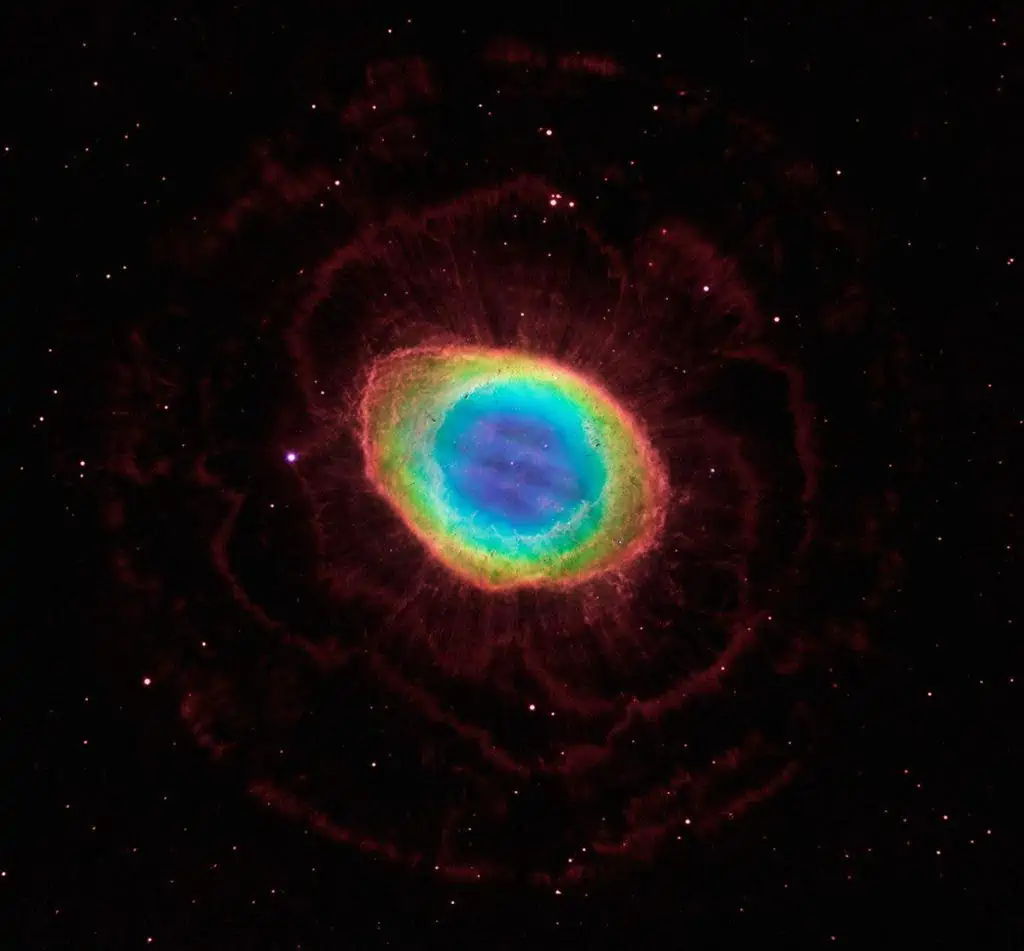
“Ring Nebula” imaged in stunning never before seen 3-D detail

Mon, May 27, 2013

0 Comments

The “Ring Nebula” is a very popular target for amateur astronomers around the world since its bright glow and highly characteristic shape make it easily identifiable, even to those who have yet to learn even the most basic tricks of the trade. This fantastic cosmic cloud tells the story of a dying star and for [...]

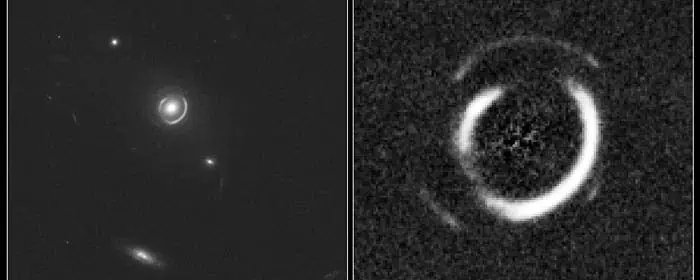
Extremely rare double Einstein ring imaged by Hubble

Wed, May 15, 2013

0 Comments

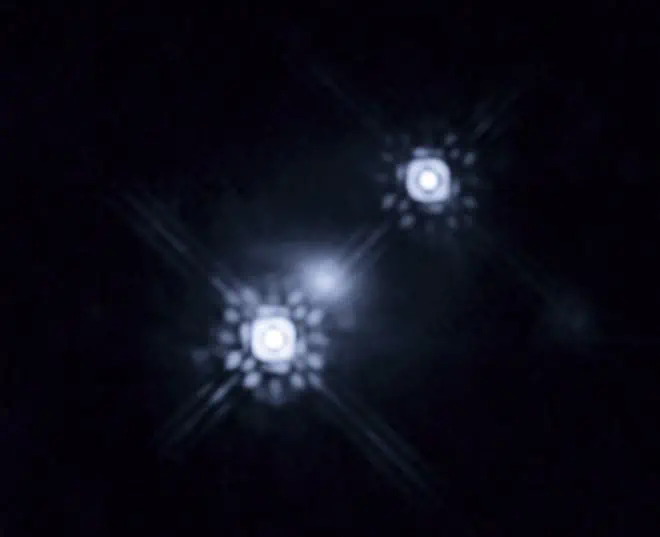
Hubble just never ceases to surprise. The latest astronomical find discovered using the ever resourceful space telescope is a never before encountered double ring pattern known as an Einstein ring. This very rare pattern is the result of a peculiar optical alignment in which three galaxies are perfectly aligned with each other, like beads on [...]

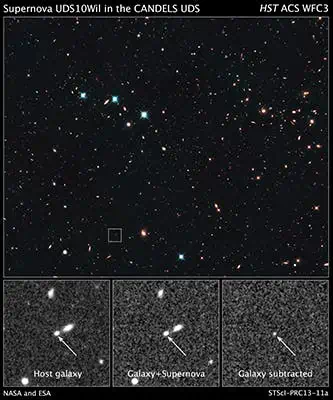
Farthest supernova discovered by Hubble helps unravel Universe secrets

Fri, Apr 5, 2013

0 Comments

Astronomers using NASA’s Hubble Space Telescope have come across the farthest supernova of its type found thus far - a type Ia supernova which exploded some 10 billion years ago. The discovery isn’t just about setting milestones, however. Supernovae act as beacons that help astronomers measure the expansion of the Universe, and this latest finding will help [...]

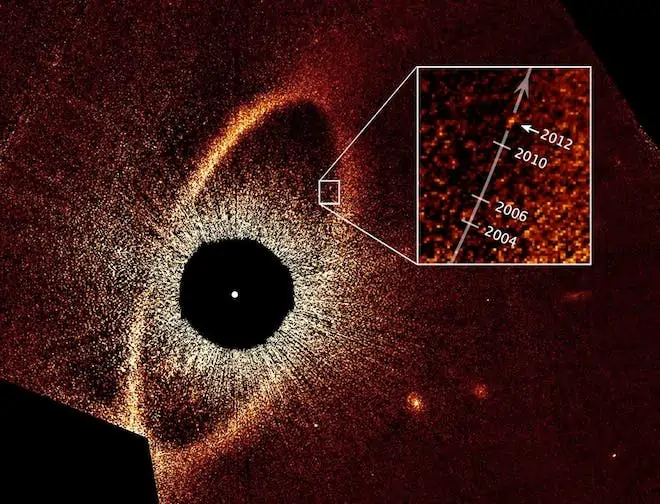
“Eye of Sauron” star hosts rogue planet

Wed, Jan 9, 2013

0 Comments

Back in 2008, Hubble released a stunning image of a very bright star called Fomalhaut which spanned a huge disk of matter around it. The whole picture bared an uncanny resemblance to the eye of Sauron from the Lord of the Rings movies. Also at the time, scientists caught the glimpse of a tiny speck of light [...]

Amazing high energy, relativistic plasma jets coming out of the Hercules A Galaxy

Fri, Dec 14, 2012

3 Comments

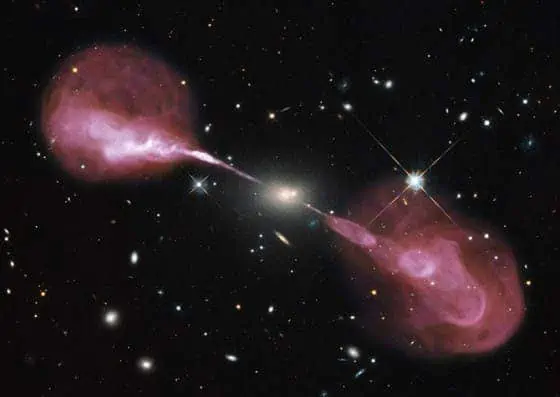
A long time ago, in a galaxy far, far away… at about 2 billion light years away from Earth lies radio-galaxy Hercules A, also known as 3C 348. At a first glance it looks just like another massive galaxy out there – at least when looking in the visible spectrum. In the radio wavelengths however, [...]

Hubble stares into the dawn of the Universe – sets another record for oldest galaxy

Thu, Dec 13, 2012

0 Comments

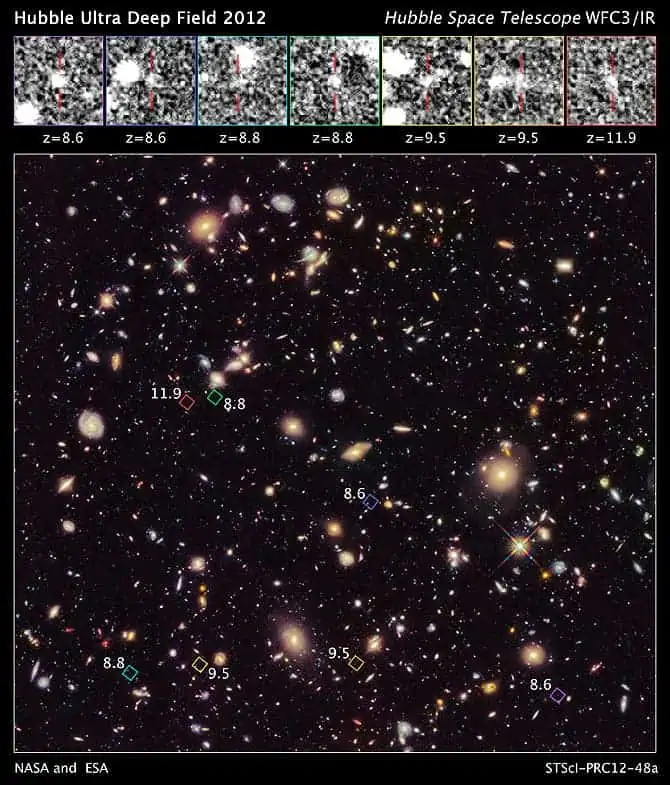
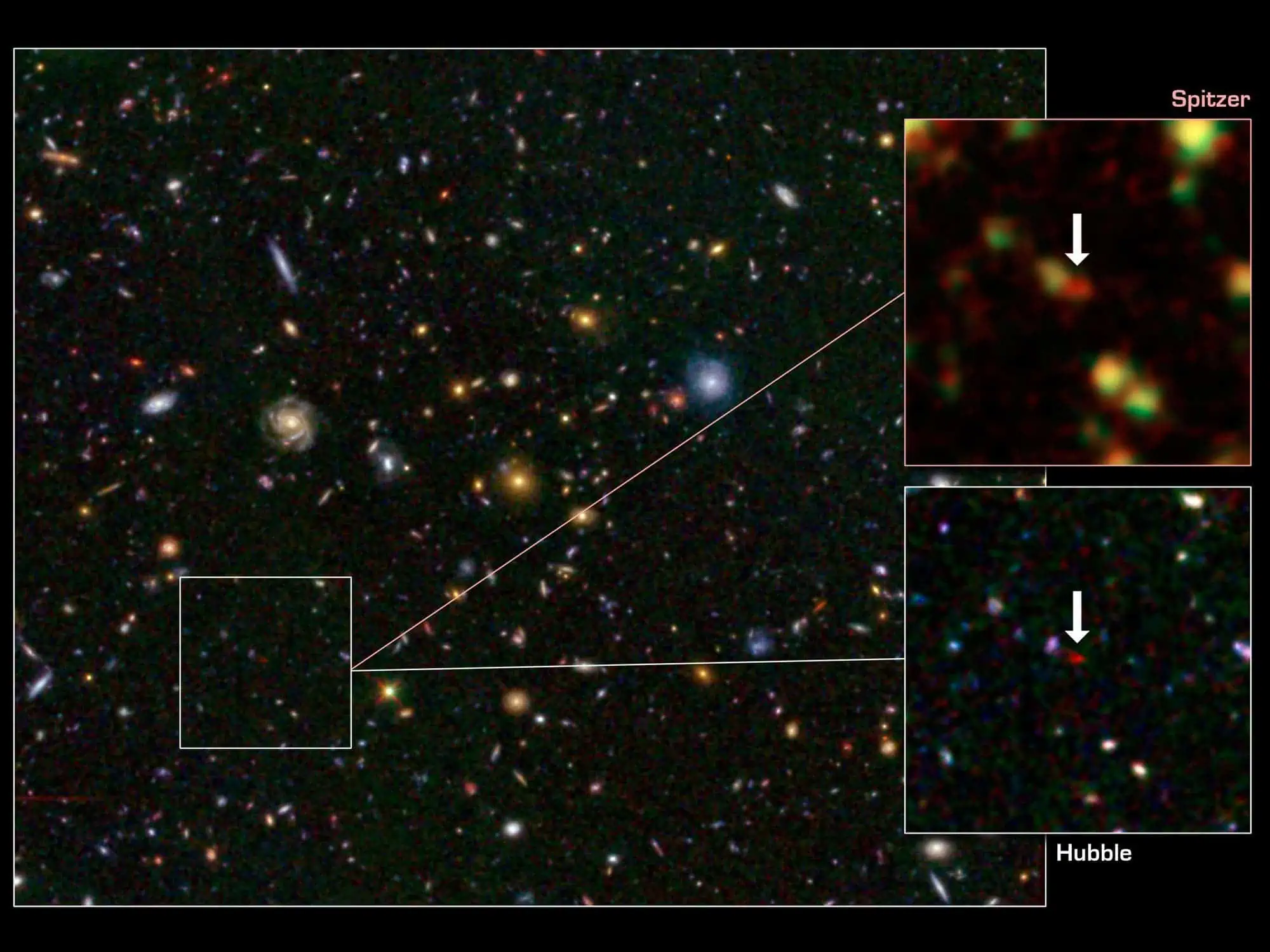
Using the evergreen Hubble telescope, astronomers from NASA have been able to uncover a previously unseen population of ancient galaxies, observed as they appeared only 350 million to 600 million years after the big bang, when the Universe was still in its infancy. The galaxies are located in a patch of the sky called the [...]

Farthest known object in the Universe is 13.3 billion years old

Tue, Nov 20, 2012

0 Comments

NASA scientists have announced they have discovered the farthest object discovered so far in the Universe, a 13.3 billion old galaxy or a mere 420 million years after the Big Bang. That’s not to say that its 13.3 billion light years away from Earth, since the Universe has expanded greatly since then and the actual [...]

Hubble takes brilliant picture of young star population in elderly company

Tue, Nov 6, 2012

0 Comments

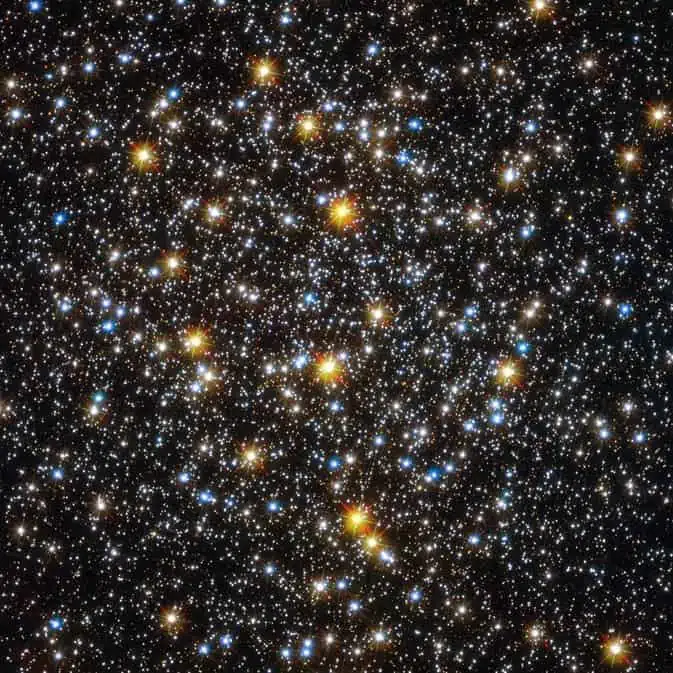
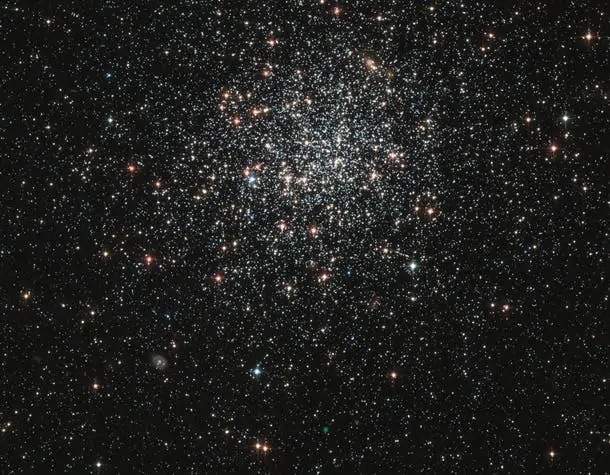
The great pics from Hubble just never end! This time, the brave telescope offered an impressive view of the center of globular cluster NGC 6362. The image of this spherical collection of stars takes a deeper look at the core of the globular cluster, which contains a high concentration of stars with different colors. Seeing [...]

Oldest spiral galaxy is a freak of cosmos

Wed, Jul 18, 2012

0 Comments

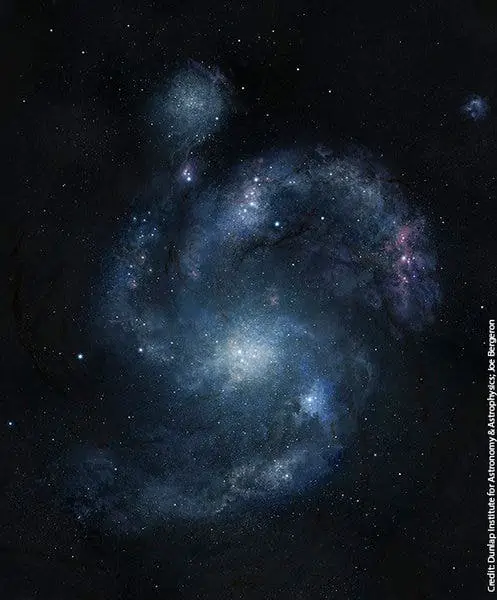
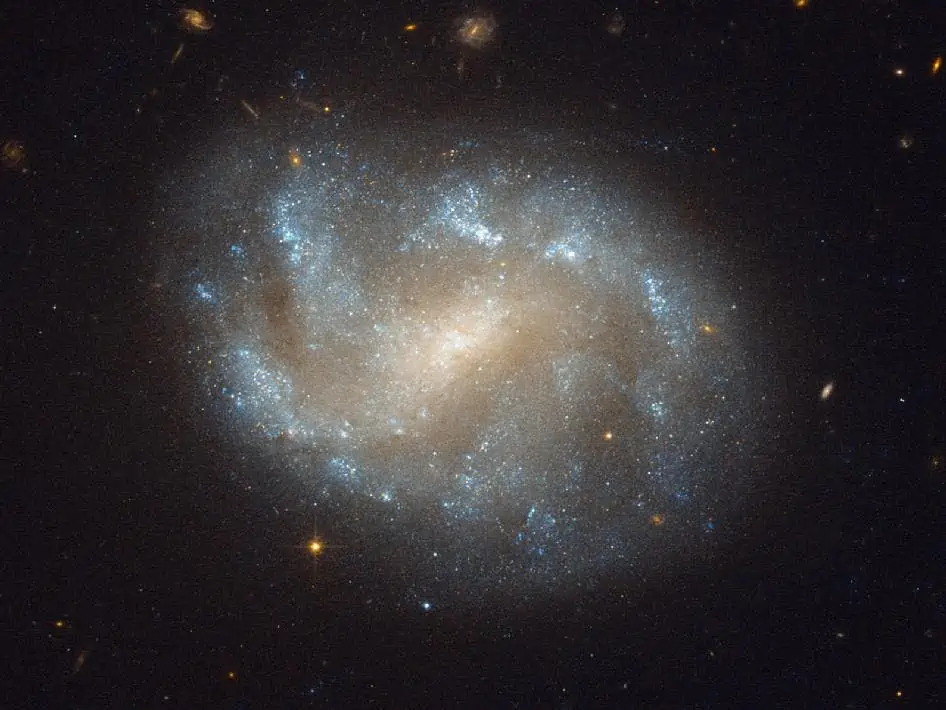
In a remarkable discovery, astronomers have found the oldest spiral galaxy to our knowledge –  a three-armed spiral galaxy dating back nearly 11 billion years. It precedes any other previous record holder by about 2 billion years, basically sweeping away the competition. The spiral galaxy is so amazing that it caught astronomers completely by surprise, and [...]

Oldest galaxy discovered so far in the Universe is 12.91 billion years old

Tue, Jun 12, 2012

19 Comments

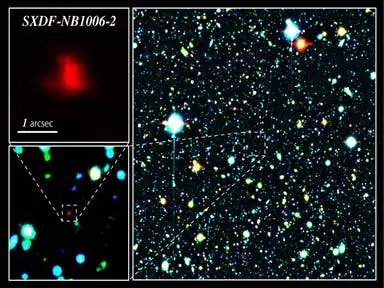
Using the  Subaru and Keck optical/infrared telescopes on Hawaii’s Mauna Kea, a 4,200 metre-high summit which houses the world’s largest observatory for optical, infrared and submillimeter astronomy, a team of Japanese astronomers claim in a recently published paper that they’ve discovered the earliest galaxy found thus far in the known Universe – it is 12.91 billion years [...]

Two military spy telescopes, just as big and powerful as Hubble, donated to NASA

Tue, Jun 5, 2012

1 Comment

Now this is something that doesn’t happen everyday, especially from behalf of one of the most paranoid and money-gobbling organizations in the world, an US intelligence agency. According to a recent press release from NRO, the secretive government agency that flies spy satellites, two such functional and high-capable spy satellites were handed over to NASA as [...]

Hubble captures Dorado galaxy [PHOTO]

Mon, Mar 12, 2012

0 Comments

Located some 62 million-light years away, the Dorado constellation is home to a galaxy cluster, called the Dorado Group, comprised of around 70 galaxies. A pretty massive figure by all accounts, considering the Local Group, which also include the Milky Way, contains a mere 30 galaxies under its belt. Recently, Hubble captured a splendid photo [...]

Astronomers use massive objects in space as huge telescopes, find brightest galaxy via gravity lens

Tue, Feb 7, 2012

0 Comments

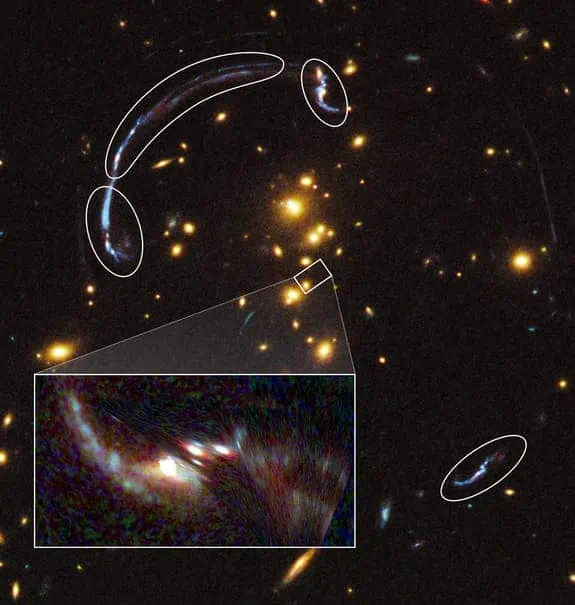
Whenever a massive object, with an equally massive gravitational pull, like black holes or galaxy clusters, falls between an observer, say a telescope, and a distant target in the background to be observed, than a gravitational lens is formed. Light emitted from the distant object gets twisted by the massive object, and ends up distorted [...]

Bright, rare galaxy from the dawn of the Universe glimpsed

Thu, Dec 22, 2011

0 Comments

An array formed by the greatest space telescopes in the world  first discover, then photograph this ancient galaxy from the Universe’s dawn – the brightest such galaxy ever discovered by astronomers at such a distance. How far away you ask? Around 12,9 billion light years away, considering the Universe is estimated at 13.7 billion years [...]

Spectacular spherical star cluster imaged by Hubble

Wed, Nov 23, 2011

0 Comments

The ever faithful Hubble telescope has offered us yet another fantastic glimpse into the Universe’s hidden gems. Captioned below is the NGC 1846 globular cluster, which lies 160,000 light-years away in the constellation Doradus. The cluster is actually the product of the Large Magellanic Cloud, which neighbors our own Milky Way. Check out this very large, [...]

Hubble captures disk of matter around black hole – birth of a quasar

Mon, Nov 7, 2011

2 Comments

The Hubble telescope has captured through an innovative technique, which harnessed light bent from a distant galaxy in a optical lens-like manner, a  direct image of a disk of matter surrounding a black hole. The disk, made out of gas and dust, slowly swirls around a giant black hole’s center gradually getting consumed. Powered by [...]

A novel way of measuring the size of the Universe

Wed, Jul 27, 2011

3 Comments

The Universe is in constant expansion, which is why it is commonly said to be infinite, so basically one can measure all he wants and still won’t find out how big the Universe is. An accurate measurement of this rate of expansion, however, is critical for space observations, and a young Australian student has recently [...]

Hubble discoveres new moon around Pluto

Wed, Jul 20, 2011

0 Comments

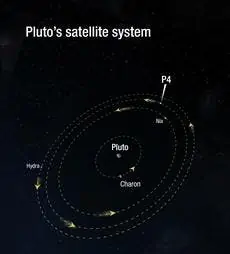
Astronomers have discovered a fourth moon orbiting Pluto via the famous Hubble telescope, NASA announced this Wednesday. Some of you might be wondering, just exactly how was it possible for astronomers to have missed it so far, considering NASA’s been tracking space rocks even from the edge of the solar system. The truth is, our [...]

TD54 Asteroid Collision Causes Atom Bomb-like Effects

Thu, Oct 14, 2010

0 Comments

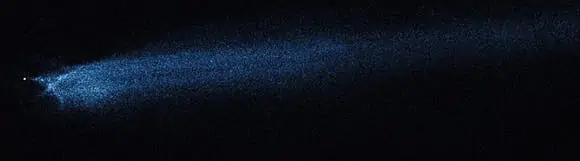
Tuesday at 6:51 a.m. EDT (1051 GMT) a small asteroid dubbed TD54 passed the Earth dangerously close, above a section of Southeast Asia by Singapore, being at its closest 28,000 miles from our blue planet. The asteroid, 2010 TD54 was first discovered on October 9th, by scientists in Arizona at a NASA-sponsored lab. A few [...]

12 Hubble pictures that will blow your mind

Mon, Sep 13, 2010

2 Comments

Just in case you haven’t checked it out, the Hubble site has a very impressive collection of pictures that I warmly recommend you check out. I’ve selected just a few to convince you just how crazy amazing they are: All the pictures are property of the Hubble site

140 Earth-like planets discovered in the Milky Way by Kepler

Tue, Jul 27, 2010

3 Comments

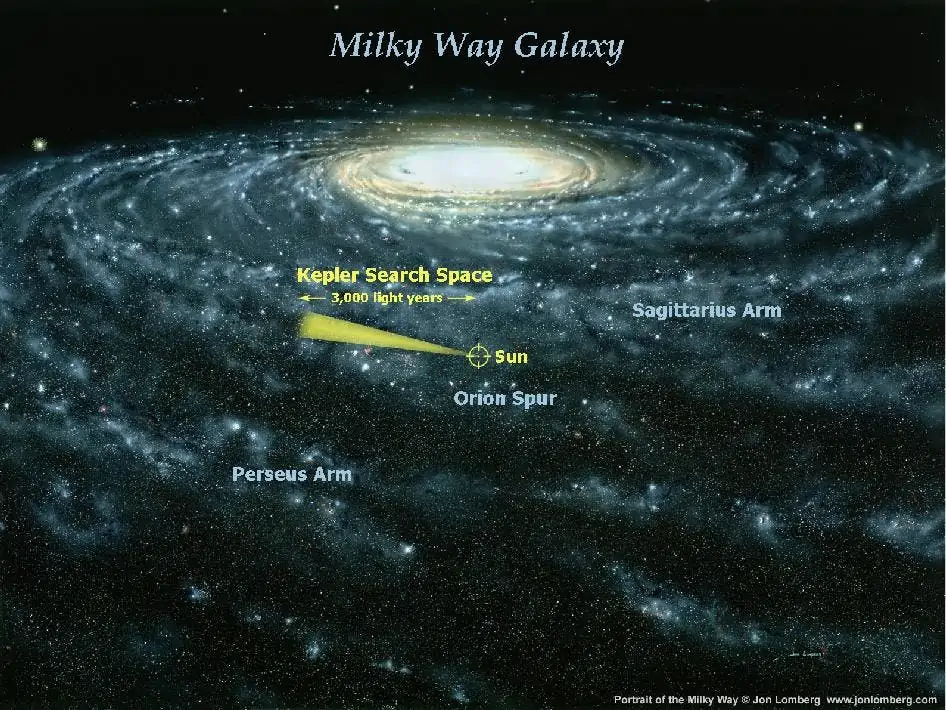
Last week at the latest TEDGlobal conference in Oxford, astronomer Dimitar Sassilov, professor of astronomy at Harvard University and a distinguished member of the Kepler space telescope science team, unveiled some incredible results gathered by our eyes and ears in the galaxy. Kepler’s most recent reported downloaded conferred some incredible statistics, among which most importantly the discovery of: [...]

Subscribe for FREE!

Popular This Week

Drop us a line!

Tip us on news, scientific reports and studies, scientific advances, science art, interesting phenomena or any kind of science related material. Just write to andrei@zmescience.com.