

‘Hobbits’ didn’t evolve from a direct modern human ancestor. They likely originate from Africa instead
The most comprehensive bone analysis of its kind shows Homo floresiensis didn't share important features with Homo erectus.
The most comprehensive bone analysis of its kind shows Homo floresiensis didn't share important features with Homo erectus.

Hand preference is still something we don't understand that well, but at least we've got a better timeframe now.
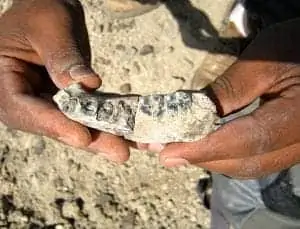
A broken jaw unearthed in Ethiopia pushes back the origin of the homo linage - of which homo sapiens sapiens ...

After analyzing key hand bone fragments from fossil records, a team of anthropologists conclude that pre-homo human ancestral species, such ...
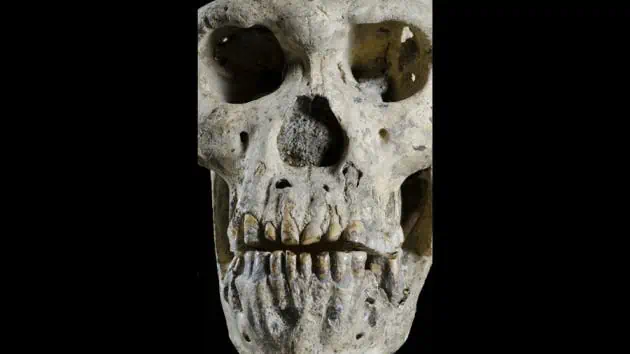
A new, controversial analysis of a skull suggests that Homo habilis, Homo rudolfensis and Homo erectus were in fact the ...
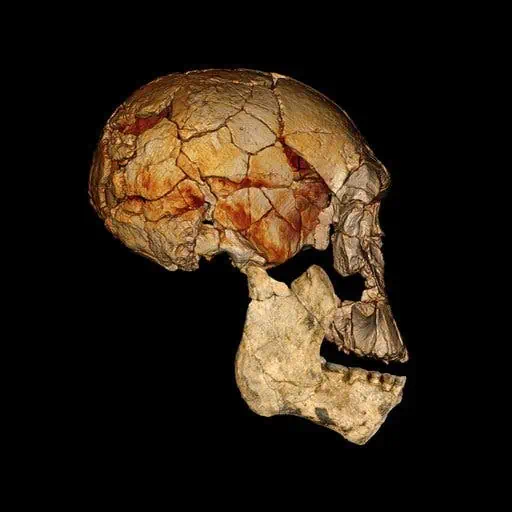
Our family tree may be much more complex than we know - it may have sprouted some long lost branches ...
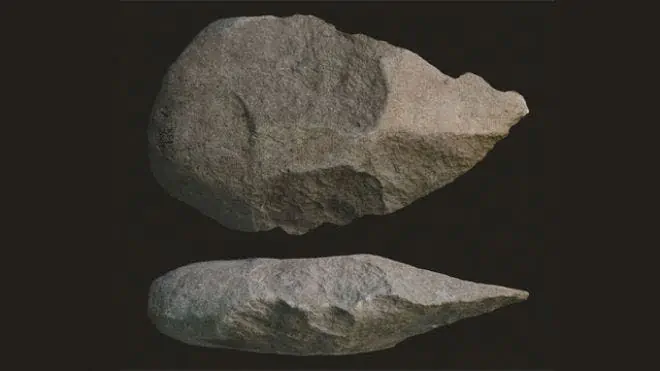
Humans might have started using sophisticated tools some 1.76 million years ago, much earlier than previously believed. This has been ...