
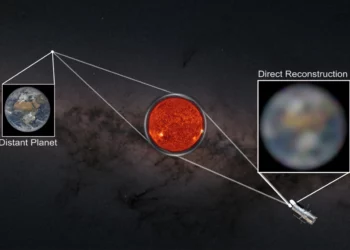
Scientists propose using the Sun’s gravity to beam energy between stars — and maybe power interstellar civilization
The Sun could one day power more than just the Solar System.
The Sun could one day power more than just the Solar System.

Webb discovered organic molecules in the most distant galaxy found to date.

Stars could be used like telephone towers to relay messages across interstellar space.

Hubble just chalked up another first.

Massive objects become the astrophysicists’ extra lenses.

The discovery of a calm galaxy so early in the Universe’s history calls into question our theories of how galaxies ...

New Hubble study takes us one step closer to understanding the mysterious dark matter.

Dark matter makes up most of the universe -- and we still don't really know what it is.

Too big for a planet, too small for a star.


Many people change a lot after their youth... and so to did our Universe. Nowadays, galaxies contain both dust and ...
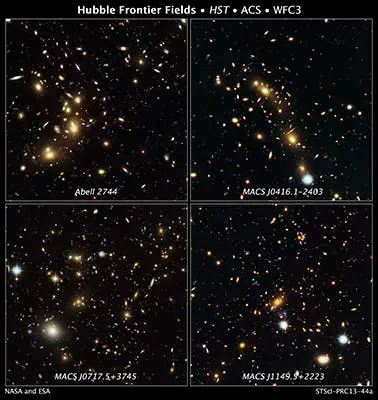
These are NASA Hubble Space Telescope natural-color images of four target galaxy clusters that are part of an ambitious new ...
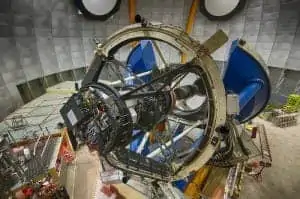
Dark energy is the mysterious force that drives the Universe's expansion at an ever increased pace. Probing and understanding this ...
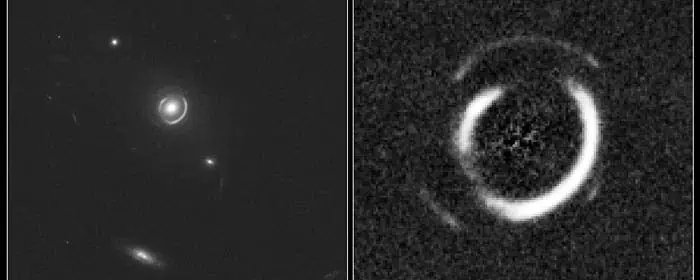
(c) NASA/ESA Hubble just never ceases to surprise. The latest astronomical find discovered using the ever resourceful space telescope is ...

The inset at left shows a close-up of the young dwarf galaxy. This image is a composite taken with Hubble's ...
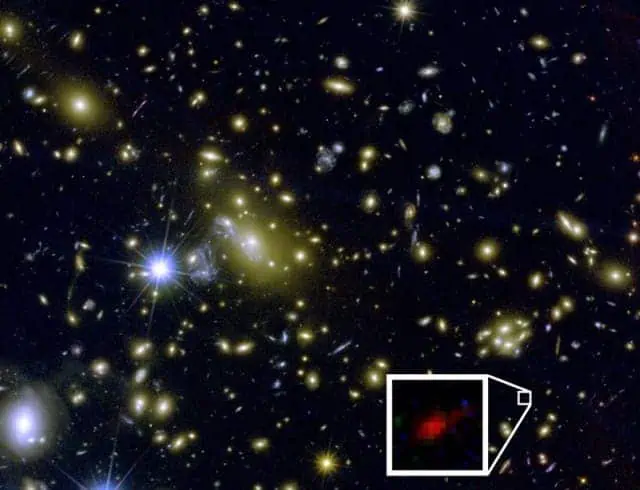
The first galaxies formed very fast after the Big Bang - in cosmic time, that is. It's estimated that the ...
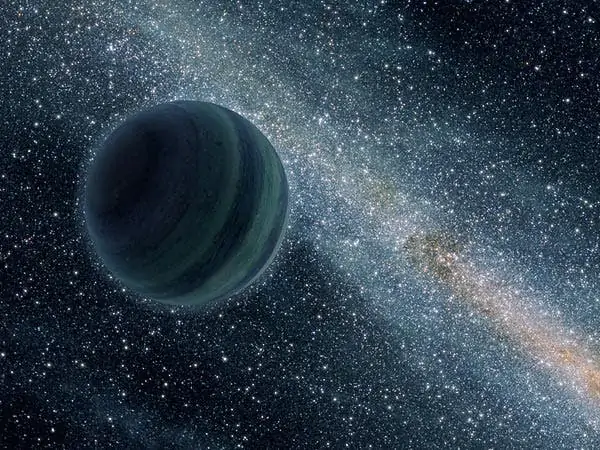
According to a recent study published by researchers from the Kavli Institute for Particle Astrophysics and Cosmology (KIPAC), our galaxy ...
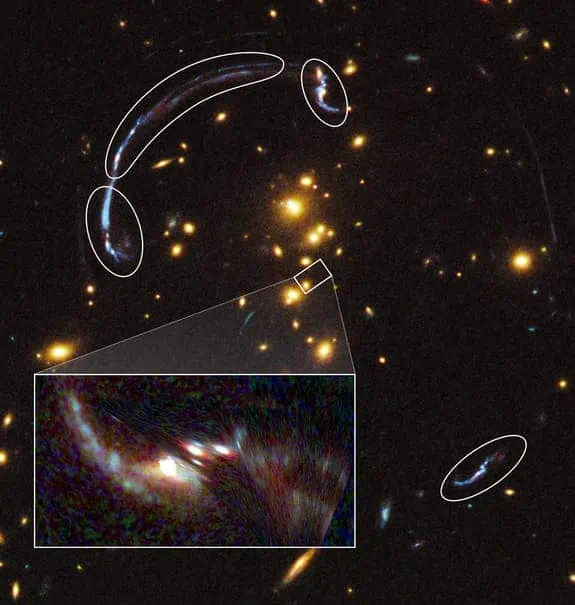
Whenever a massive object, with an equally massive gravitational pull, like black holes or galaxy clusters, falls between an observer, ...
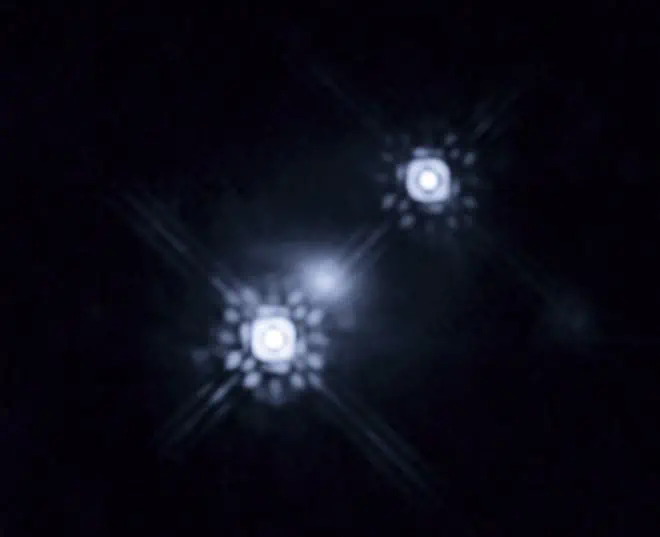
The Hubble telescope has captured through an innovative technique, which harnessed light bent from a distant galaxy in a optical ...