Geography (from Greek γεÏγÏαÏία, geographia, lit. "earth description"[1]) is the science that studies the lands, the features, the inhabitants, and the phenomena of the Earth.[2] A literal translation would be "to describe or write about the Earth". The first person to use the word "geography" was Eratosthenes (276-194 BC).[3] Four historical traditions in geographical research are the spatial analysis of the natural and the human phenomena (geography as the study of distribution), the area studies (places and regions), the study of the man-land relationship, and the research in the earth sciences.[4] Nonetheless, the modern geography is an all-encompassing discipline that foremost seeks to understand the Earth and all of its human and natural complexitiesânot merely where objects are, but how they have changed and come to be. Geography has been called "the world discipline" and "the bridge between the human and the physical science". Geography is divided into two main branches: the human geography and the physical geography.[5][6][7]
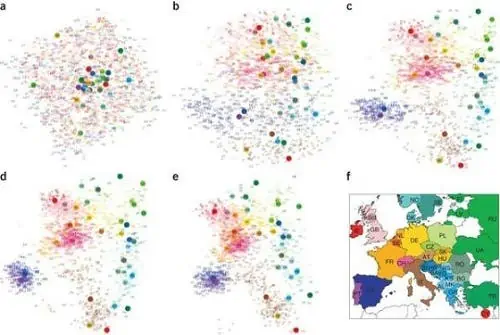
Genetic diversity is what keeps species evolving, helps them tackle diseases and is a prime pre-requisite for natural selection. Understanding genetic diversity is imperitive for scientists in the field, whether it’s about identifying associations between genetic variants and diseases or highlighting interesting aspects of human population history. One of these aspects is geographical location. Remarkably, an international [...]
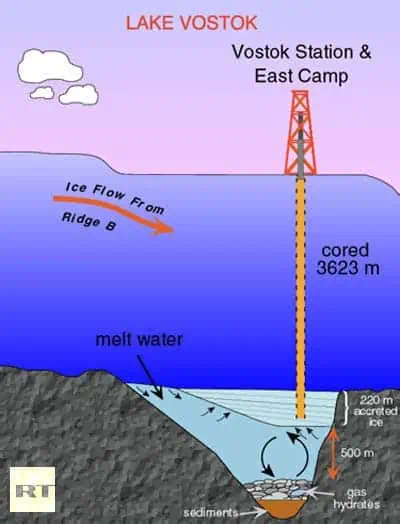
It took 30 years, an enormous amount of effort and patience, and drilling through 3,768 meters of thick ice for scientists to finally reach the surface of the Vostok, a unique subglacial lake. Just as large as the great Ontario lake, the Vostok is thought to be 20 million years old, and due to the [...]
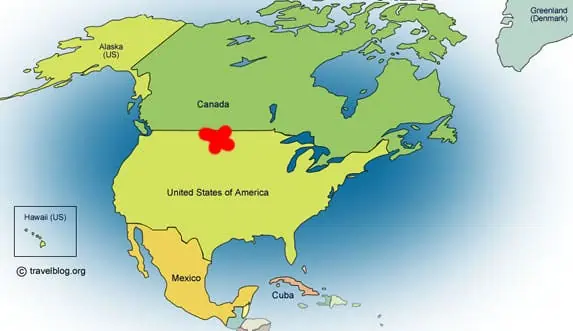
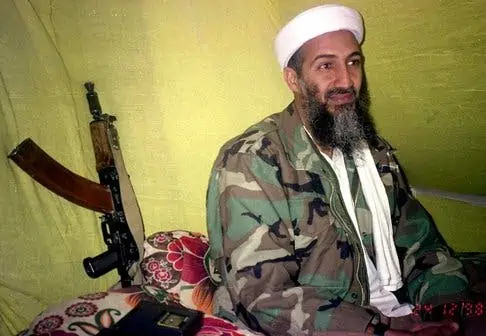
Prediction made by UCLA geographers Thomas Gillespie, John Agnew, and a whole class of undergrads regarding where Osama Bin Laden might be hiding turned out to be surprisingly accurate, surprising scientists and authorities alike. They created a probabilistic model which concluded that there is a 88.9% chance that he is hiding in a city less [...]
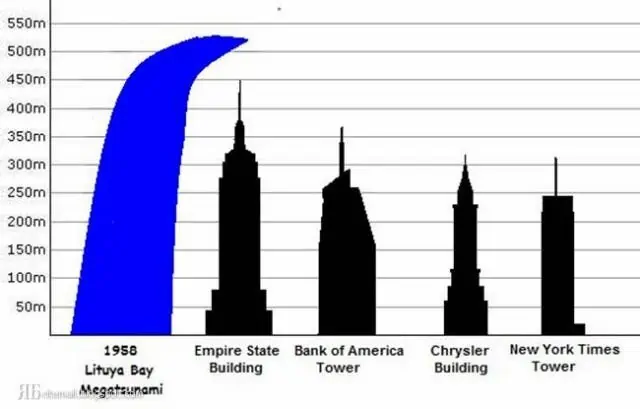
On the night of July 9, 1958, an earthquake struck Fairweather Fault in the Alaska Panhandle. The result was that about 30.6 million cubic meters of rock were loosened, being thrown from a height of 914 meters down onto the water mass. The impact generated a tsunami that crashed against the shoreline of Gilbert Inlet. [...]
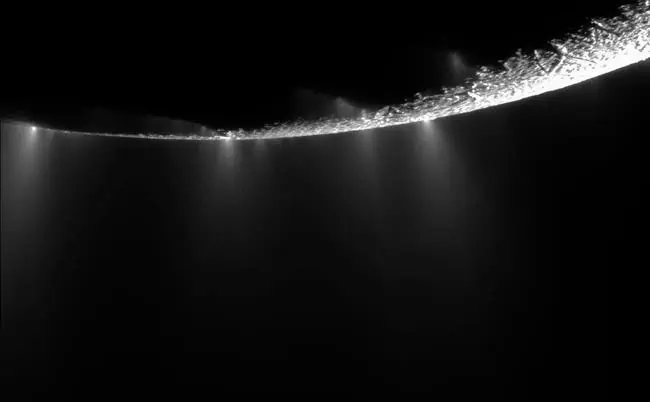
There are many things we have yet to find out about Saturn, but the Cassini probe has definitely shed some light on the planet, and will surely do the same in the following years. The most recent flyby showed a significant number of geysers just waiting to pop out from under the surface – even [...]
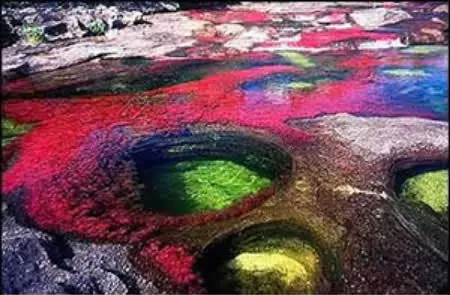
Caño Cristales is a river located in Northern Columbia, with a length of almost 100 km and a width of under 20 meters. If you look at it, you’d be tempted to think this is some sort of illusion or photographic trick, but you’d be wrong. It’s quite remote, and you can get there only [...]
Thu, May 24, 2012
0 Comments