

Saturn’s rings are raining down — in about 100 million years, they’ll be gone
If you like it then you should have kept the rings on it.
If you like it then you should have kept the rings on it.

The chances of it happening are pretty slim though.

Named after a capricious goddess, Juno lives up to her name.

Our solar system likely had a fifth gas giant in its initial configuration, but the planet was ejected by Jupiter ...
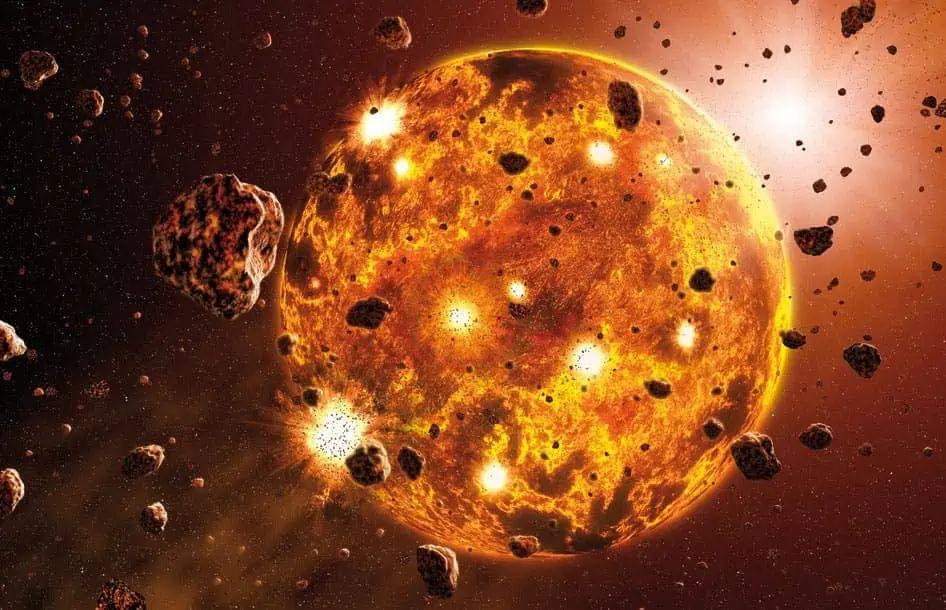
Gas giants like Saturn or Jupiter may have formed not from a planetary core, but rather from tiny pebbles that ...
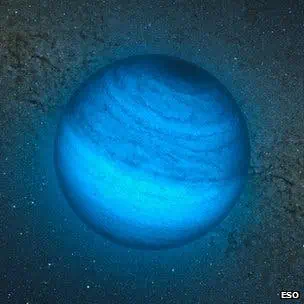
Like in a scene from a Sci-fi novel, about 100 light years away, somewhere in the constellation Doradus, a planet ...
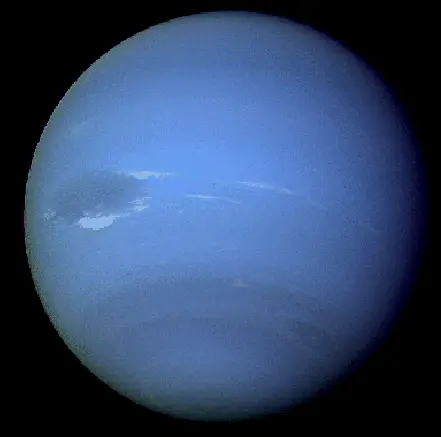
Gas giants might just be the most whimsical planets of all: they don't just settle at any old point on ...
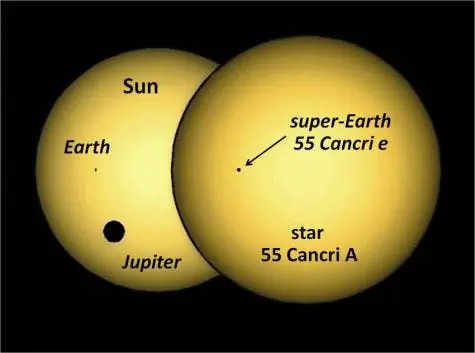
The planet in case is 55 Cancri e, and it's 60 per cent larger in diameter than Earth but eight ...