

Fossil fuel lobbyists reach record numbers at UN climate change conference
Oil companies are using COP28 as a platform for business.
Oil companies are using COP28 as a platform for business.

Fossil fuels subsidies are fueling a fire that burns the world, but weaning off them is not easy.

The bill is adding up day by day.

They won't run out during your lifetime, but there's a catch...

Universities have downplayed the negative impacts of fossil fuel emissions.

Finances of BP didn't take a big hit despite a massive oil accident

They're a big part of why climate change is happening but aren’t doing their fair share

Just like ExxonMobil and Royal Dutch Shell -- Total also knew. They just chose to ignore it.

It’s time to discuss a real energy transition.

Cost isn't the only barrier to overcome, but its a good place to start.

The industry anticipates a fragile outlook for the rest of the year, and even further.

Reducing plastic pollution would be great for the environment, bad for oil companies.

There's still a climate emergency to fix after this. So why support fossil fuel companies?

The coronavirus isn't the only pandemic running amok.

This would make it the most valuable company in the world, overtaking Apple by about half a trillion dollars.

The company is accused of lying to its investors over the future of the climate

Report shows strategies used by companies to confuse public on climate crisis

These companies have a moral responsibility to account for these emissions.

Big moves in California!

A must-read book spanning time and science.

You gotta crack some plankton to make crude oil.

Russia's president, Vladimir Putin, just said that climate change is unstoppable and not caused by human activity.

The Koch Brothers' rhetoric not only defies logic and facts, but the English language also.
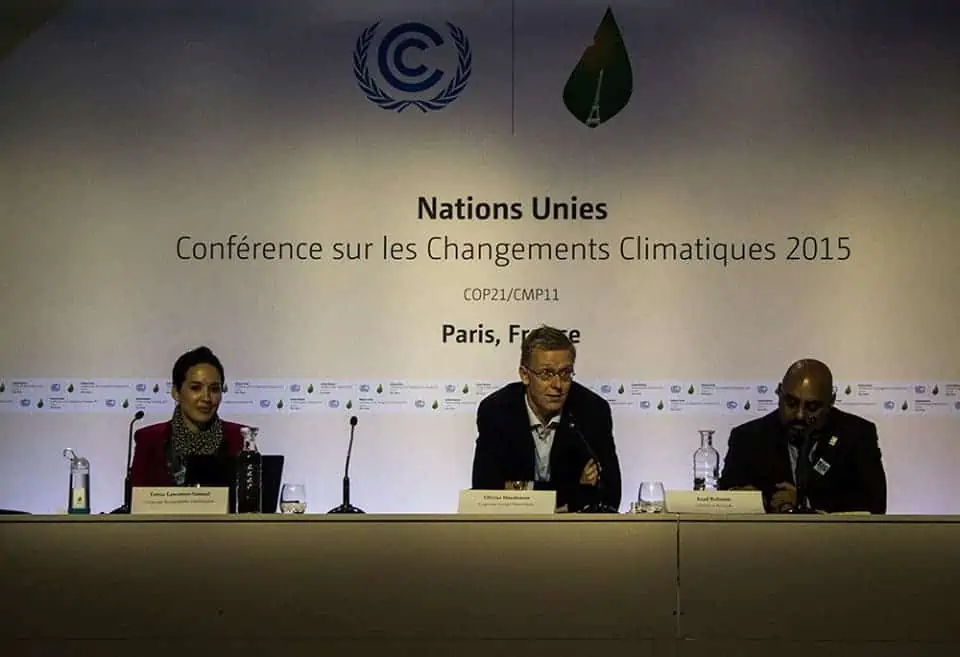
Should dirty energy companies have a voice in climate talks? Can government figures, known to receive money from the oil ...

Solar power is one of the most efficient yet clean sources of energy we have access to. There are no ...

According to a recently publicized rapport by the Department of Energy’s National Renewable Energy Laboratory (NREL), renewable energy sources could account for ...

As fossil fuel resources significantly diminish every year, the world gets ever tumultuous and panic slowly begins to settle moment ...