

This is the first fractal molecule in nature — the unexpected geometric artwork of evolution
Scientists discovered an enzyme in cyanobacteria that forms a Sierpiński triangle, revealing nature's first known molecular fractal.
Scientists discovered an enzyme in cyanobacteria that forms a Sierpiński triangle, revealing nature's first known molecular fractal.
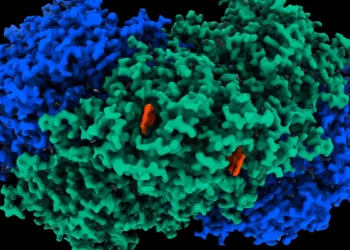
It could be used to power small electronics someday, the researchers said

To say that plastic is a big problem is an understatement. Every corner of the Earth has been tainted with ...
Less trash and cheaper stuff? Sign me up.

This could end up saving many lives.

Science to the rescue.

An... unusual take on the issue, to say the least. But in theory, it should work.

Failing upwards!
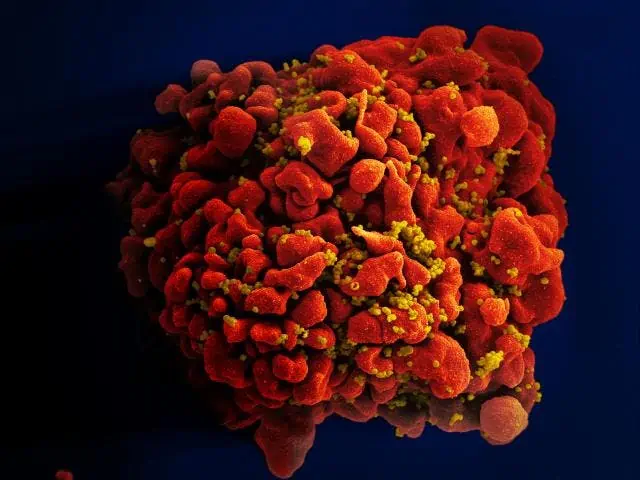
A new gene-snipping enzyme was successful in removing strands of HIV genetic material in mice trials. If the enzyme can ...
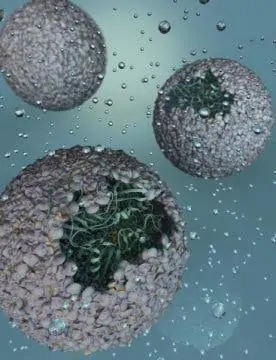
Indiana University scientists have built a highly efficient bio-material that can serve as a catalyst for hydrogen production. This material ...

University of Montreal Hospital Research Centre (CRCHUM) scientists have identified a new enzyme that could protect the body from toxic ...
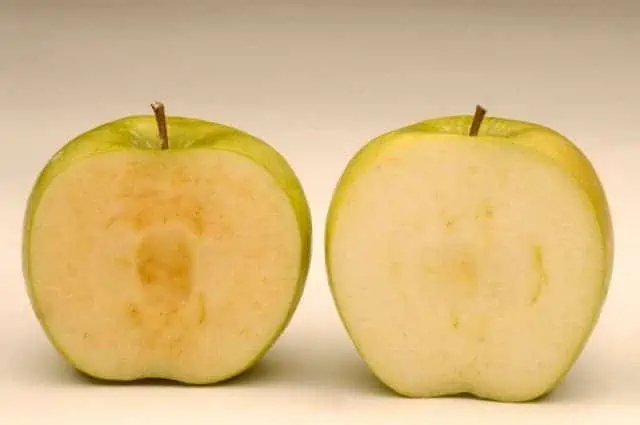
The US government approved a genetically modified apple that doesn't turn brown when bruised or sliced. While most genetic alterations ...

We've previously told you how our ancestors' adaptation to metabolizing alcohol which first happened some 10 million years ago may ...

A strange evolutionary alliance between trees and the ants that guard them has a sinister explanation, a new study suggests, ...

Drinking until the early hours of dawn may be exhilarating for some, however the next day everything seems to tumble ...

In a promising discovery for students and party aninals all over the world, a team of researchers led by UCLA ...
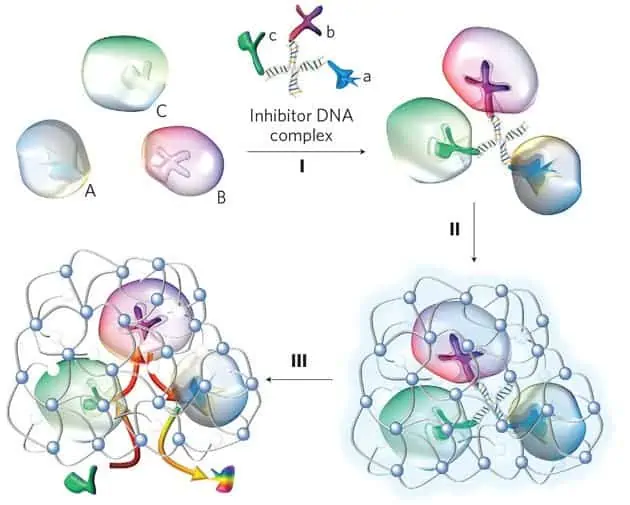
A team of international researchers from US and China have employed a novel method to link enzymes together and then encapsulate ...
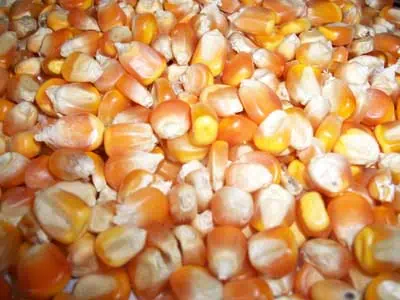
Culturing mammalian cells is currently the only way to make some complex proteins used in certain drugs; but growing such ...
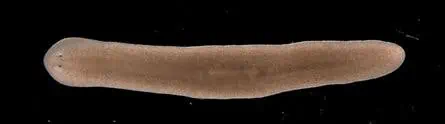
An immortal worm isn't exactly what comes to mind when researching how to live forever, but this inconspicuous creature could ...
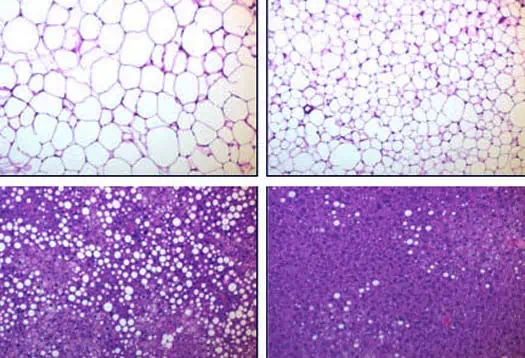
Scientists have genetically engineered mice able to express a certain enzyme, which allows for an increased metabolic rate. The lab ...
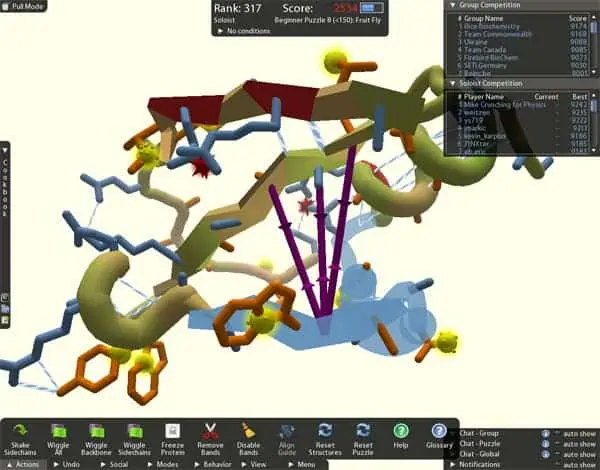
Scientists from the University of Washington have been struggling for the past decade to decipher the complex structure of an ...

If we're to guide ourselves after Aubrey de Grey's telling, according to his predictions the first person who will live ...

The fight against Alzheimer's is a harsh and rugged one, and despite numerous advancements, there still isn't a definitive cure ...
Polymethyl methacrylate (PMMA for short) is a thermoplastic and transparent plastic that's called acrylic glass for short. In the not ...
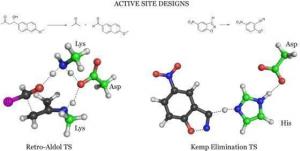
In what is a great leap for science, scientists from UCLA and the University of Washington have succeeded in creating ...