cognitive ability

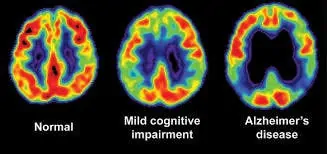
In science, cognition is a group of mental processes that includes attention, memory, producing and understanding language, learning, reasoning, problem solving, and decision making. Various disciplines, such as psychology, philosophy, linguistics, and computer science all study cognition. However, the term's usage varies across disciplines; for example, in psychology and cognitive science, "cognition" usually refers to an information processing view of an individual's psychological functions. It is also used in a branch of social psychology called social cognition to explain attitudes, attribution, and groups dynamics.[1] In cognitive psychology and cognitive engineering, cognition is typically assumed to be information processing in a participant’s or operator’s mind or brain.[2]

For more information about cognitive ability check the Wikipedia article here

ZME Science posts about cognitive ability

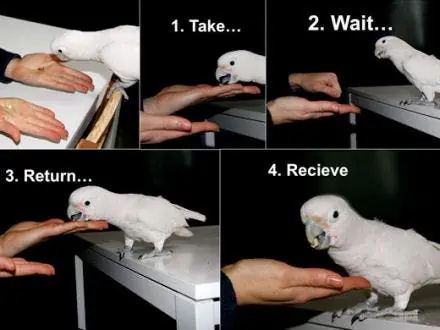
Cackatoos exhibit remarkable self-control akin to humans

Thu, Mar 14, 2013

0 Comments

You might be used to seeing birds peck grains as soon as you throw the food in front of them, so it’s no wonder why might find this surprising. University of Vienna established a cognitive experiment centered around a most intelligent type of bird – Cackatoos – and found that they’re capable of self-control, restraining [...]

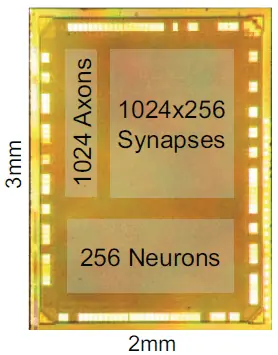
Cognitive computing milestone: IBM simulates 530 billon neurons and 100 trillion synapses

Mon, Nov 19, 2012

0 Comments

First initiated in 2008 by IBM, the Systems of Neuromorphic Adaptive Plastic Scalable Electronics (SyNAPSE) program whose final goal is that of developing a new cognitive computer architecture based on the human brain. Recently, IBM announced it has reached an important milestone for its program after the company successfully simulated 10 billion neurons and 100 trillion [...]

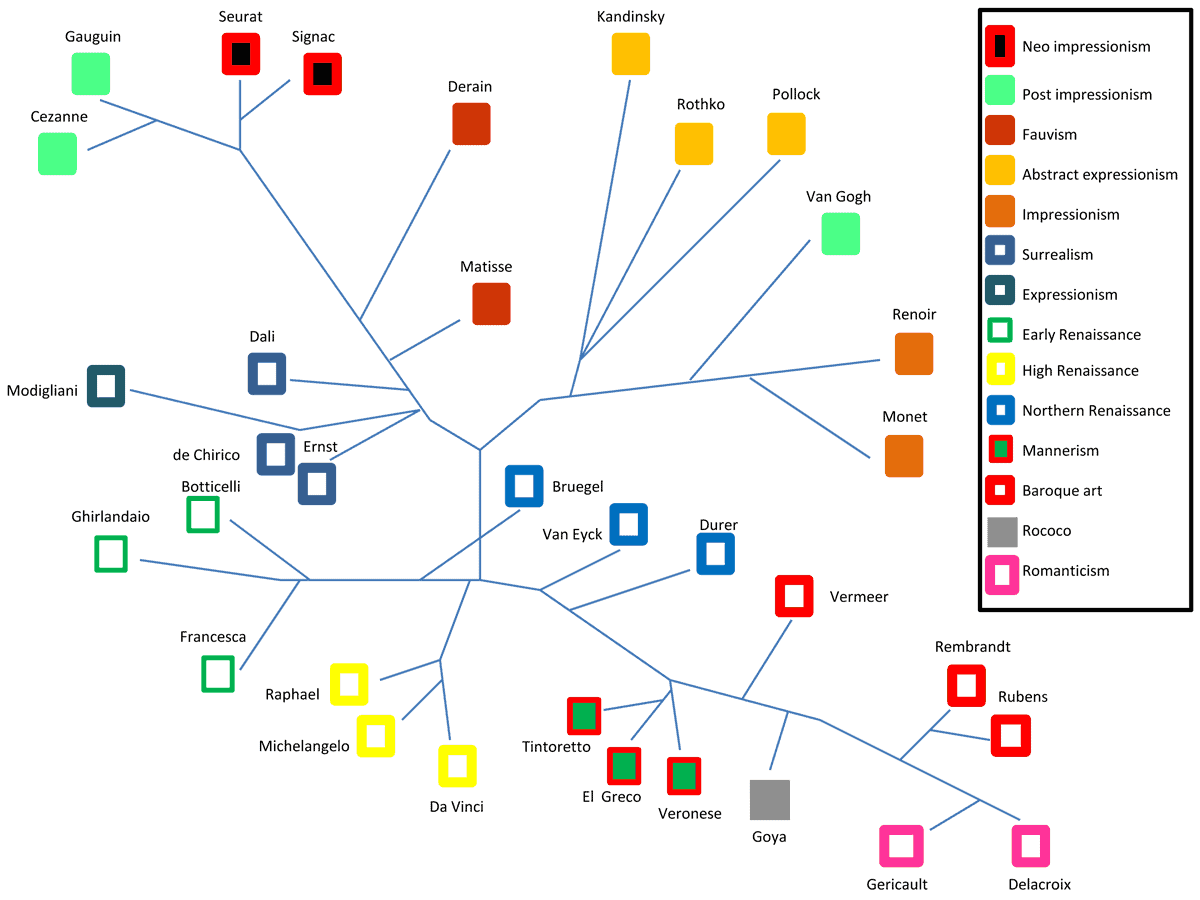
Computer analyses fine art like an expert would. Art only for humans?

Thu, Sep 27, 2012

0 Comments

When fine art is concerned, or visual arts in general for that matter, complex cognitive functions are at play as the viewer analyze it. As you go from painting to painting, especially different artists, the discrepancies in style can be recognized, and trained art historians can catch even the most subtle of brush strokes and identify a [...]

Pulling all-nighters before tests is counter-productive – does more harm than good

Tue, Aug 21, 2012

2 Comments

The findings of a new research at UCLA, suggest that cramming all night before a big test, something that we’ve all went through at least once in a point of our lives with personal mixed results, is generally counter-productive as the sleep deprivation acts its toll on cognitive performance. Whether we’re talking about high school or university, [...]

Chewing gum makes you smarter

Thu, Dec 8, 2011

2 Comments

Chewing without actually eating seems pretty weird, if you think a bit about it, even so it’s a highly popular habit best described by the billion dollar industry of chewing gum. If you’re one of the regular chewers, here’s something to lighten your mood for the day – chewing gum increases your cognitive abilities, albeit [...]

Guest Post – Advanced mimicry

Fri, Mar 25, 2011

0 Comments

A technique I call ‘advanced mimicry’ is the main indicator of humanity’s cognition to us, or at least to this seventeen year old student.   Mimicry is defined as “the act, practice, or art of mimicking”. This definition is almost self-referencing, so I feel the inclusion of the definition of mimicking, “apt at or given [...]

Subscribe for FREE!

Popular This Week

Drop us a line!

Tip us on news, scientific reports and studies, scientific advances, science art, interesting phenomena or any kind of science related material. Just write to andrei@zmescience.com.