

Humans may have first arrived in North America as early as 30,000 years ago
Two controversial studies challenge the established narrative of the earliest human dispersal into the Americas.
Two controversial studies challenge the established narrative of the earliest human dispersal into the Americas.

The Clovis might not have been the first to North America after all.

The genome sequence of the Ice Age skeletal remains of a 1-year-old boy gave scientists tantalizing proof that the first ...
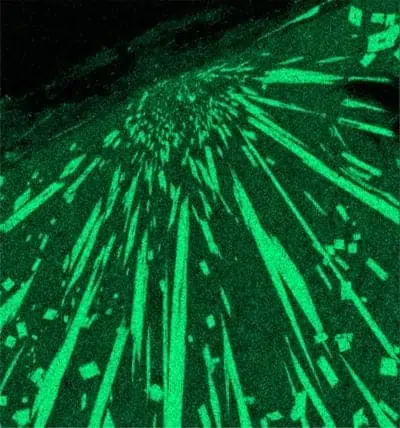
The high temperatures of the meteorite impact 12,900 years ago produced mm-sized spherules of melted glass with the mullite and ...

Some 12,900 years ago, a massive flood of melted freshwater in the Arctic caused a 1,200-year-long chill nicknamed the "Big ...
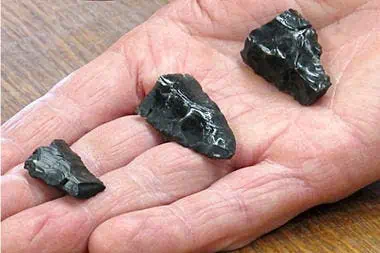
Scientists from U.S., Britain and Denmark have recently reported in a new study that conclusive evidence, in the form of ...