

What is the Venus Flytrap: the complete guide
“This plant, commonly called Venus’ fly-trap,” Darwin wrote in 1875, “is one of the most wonderful in the world.”
“This plant, commonly called Venus’ fly-trap,” Darwin wrote in 1875, “is one of the most wonderful in the world.”

The carnivorous bladderwort (Utricularia gibba) a carnivorous plant which occurs fresh water and wet soil. Recently, they took biologists by ...

Having a smart strategy doesn't require a brain, a new study has shown. Researchers found an insect-eating plant from Borneo ...
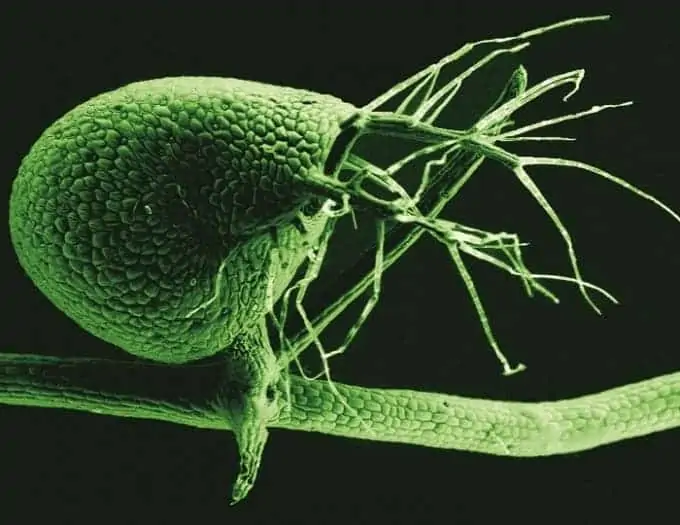
Only 2% of the human genome is comprised of genes, while the vast majority of genetic material is known as ...
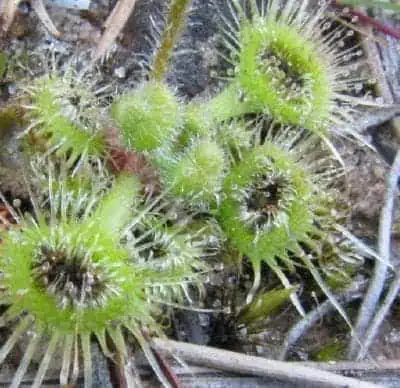
The snapping tentacles of the sundew. (c) Poppinga S, Hartmeyer SRH, Seidel R, Masselter T, Hartmeyer I, et al. A ...
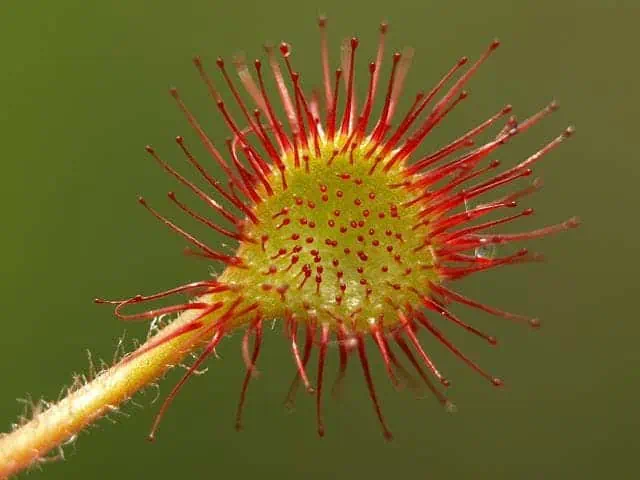
Carnivorous plants may soon have to give up their meaty habits and turn veggie, as a recent study found that ...
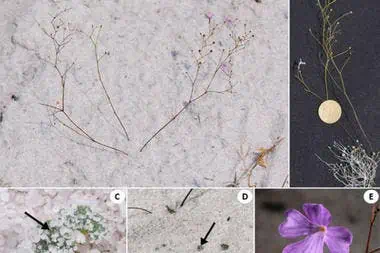
Found in the tropical landscapes of Brazil (where else?), Philcoxia minensis has developed quite an interesting mechanism to feed: it ...