

Researchers design carbon yarn that generates energy from motion or waste heat
I guess we can all be current benders now!
I guess we can all be current benders now!

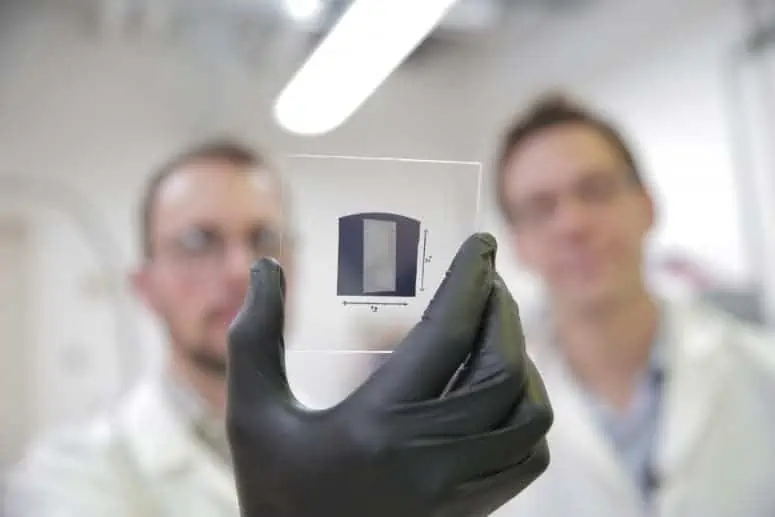
Scientists devise the most promising carbon nanotube transistors yet.

Computer chips today have billions of tiny transistors just a few nanometers wide (a hair is 100nm thick), all crammed ...

Moore's law says that the number of transistors in an integrated circuit doubles every two years, hence doubling also the ...

In the Middle Ages, Blacksmiths were highly regarded, and this was one of the most active industries. Nowadays, with modern ...
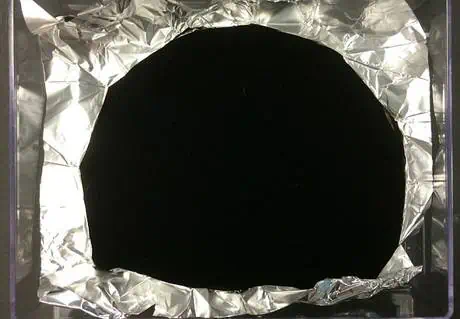
A sample of the new material. Image credit: Surrey Nanosystems You might have thought black is too solemn or boring, ...
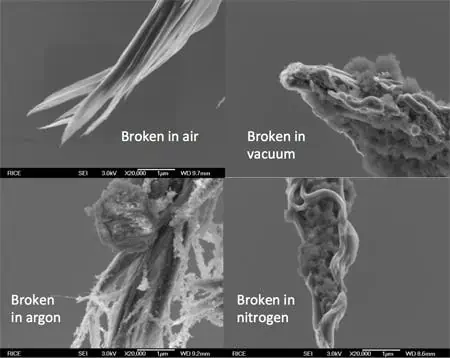
Reliable, well supplied and with years and years of manufacturing experience behind it, copper is the most widespread material used ...
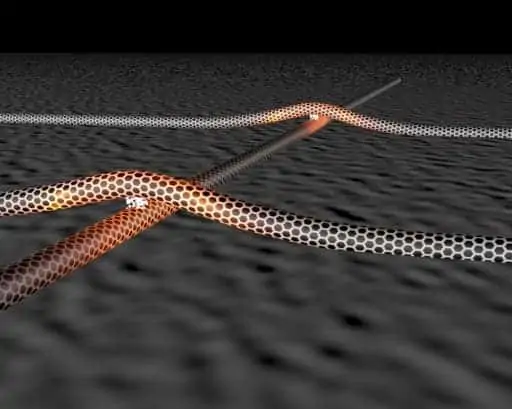
Carbon nanotubes and graphene have been hailed time and again as the wonder materials that will change the face of ...
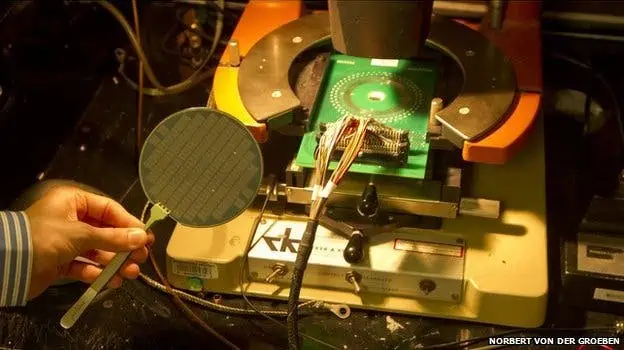
In an inspiring breakthrough, Stanford researchers have created the first ever working computer made entirely out of carbon nanotubes. The ...
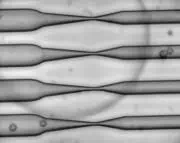
A group of researchers at MIT have devised a new method for infiltrating cells with large molecules such as nanoparticles ...
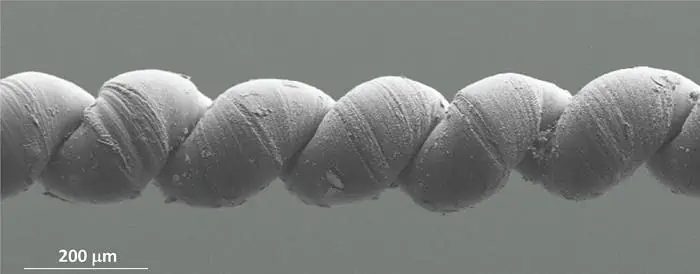
Scientists at University of Texas Dallas have made artificial muscles capable of supporting 100,000 times their own weight and generate ...
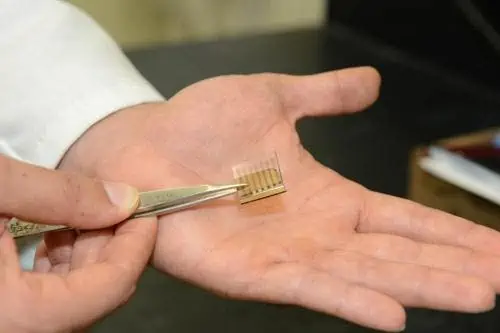
Scientists at Stanford University have successfully devised the world's first solar cell made entirely out of carbon. This alternative to ...
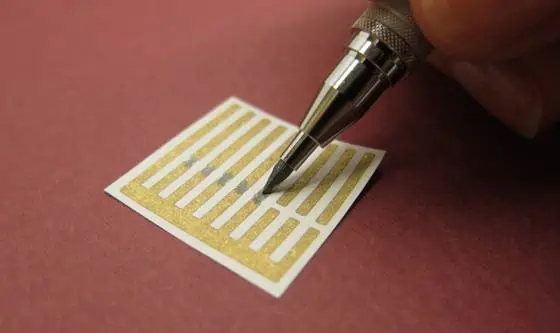
Researchers at MIT have developed a novel technique of creating cheap and reliable sensors for toxic gases by simply etching ...
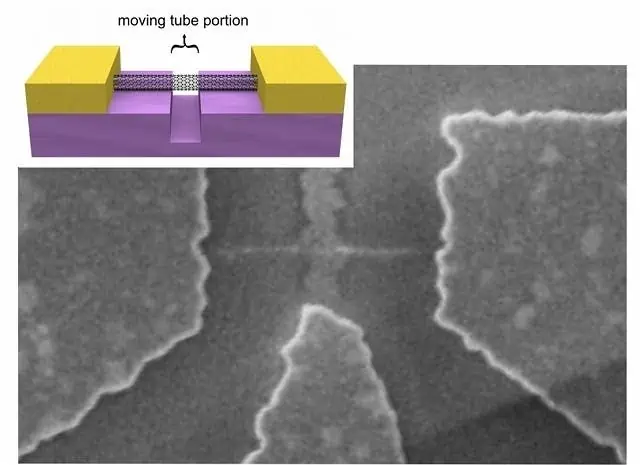
While on the macro-scale conventional scales make us of gravity to measure mass, on the microscale there are a myriad ...
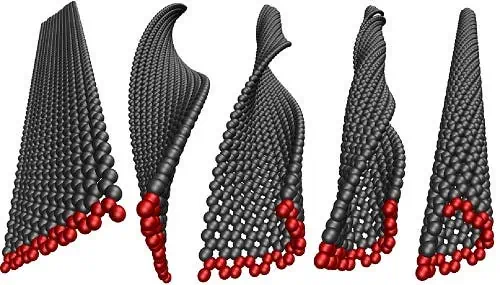
A team of researchers comprised of scientists at the NanoScience Center of the University of Jyväskylä, Finland, and at Harvard ...
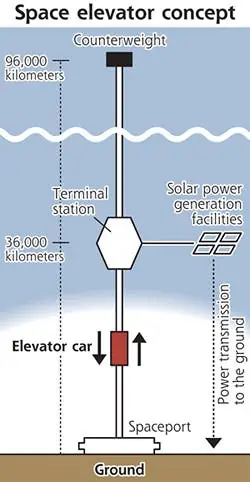
This is the kind of engineering feat that sounds so preposterous, so crazy, so ... foolish, that it might actually ...

Butterflies are one of the most enchanting beings in the animal kingdom, a symbol of grace and beauty encountered in ...
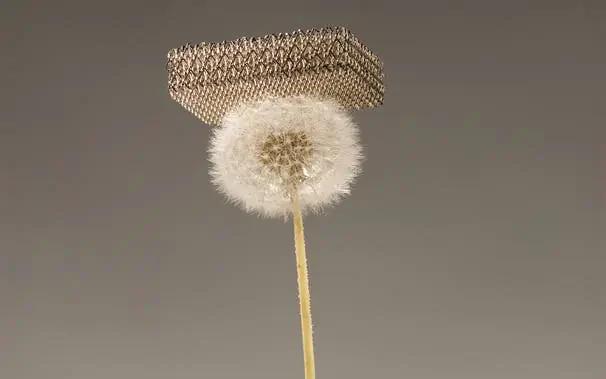
Recently, a team of scientists has created a new metallic material which they claim to be the lightest in all ...
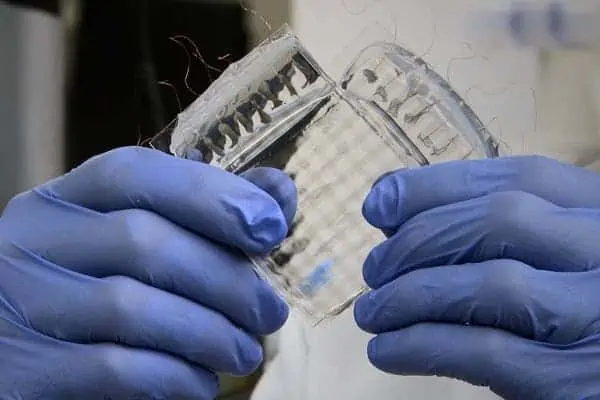
In the new mobile information age where smartphones have become an ever common part of our lives, there seems to ...
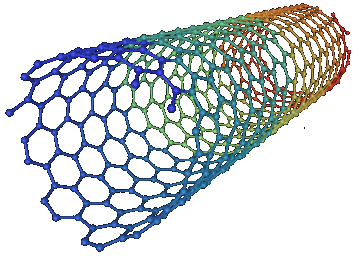
Carbon nanotubes (CNTs) are allotropes of carbon. Their strength and flexibility makes them useful in controlling other nanoscale structures, ...