

What is the Cosmic Microwave Background: The Cosmic Fossil that Fills the Universe
The amazing story of how the Cosmic Microwave Background was discovered completely by accident by American scientists.
The amazing story of how the Cosmic Microwave Background was discovered completely by accident by American scientists.

They were much brighter than they were supposed to be.

The breakthrough validates our current models of how the universe works.

It was a mind-blowing appearance by Professor Hawking.

It's an exciting time to be a scientist.

We've learned a lot about the early universe.
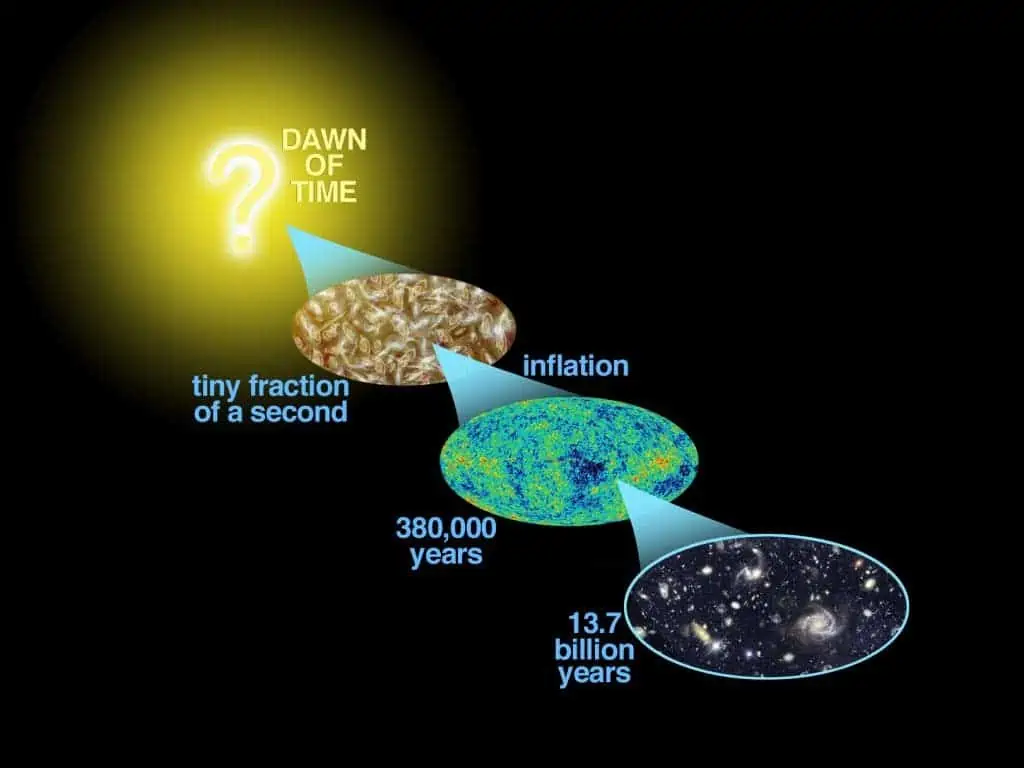
Swiss physicists have developed a new model to chart the early development of the Universe in better detail than ever ...

Water may have been plentiful in some parts of the universe as early as one billion years after the Big ...
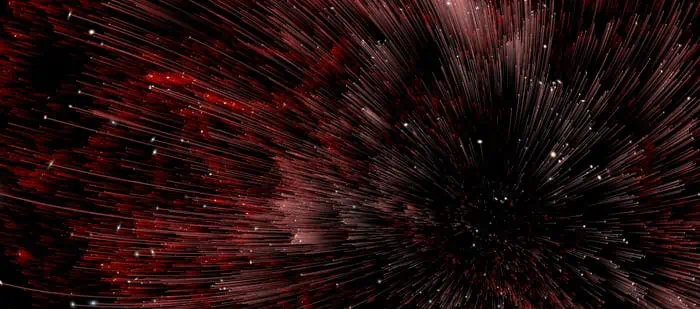
Climate change is a threat to all life and vegetation here on Earth, but some places are worse off than ...

BICEP2 (in the foreground) and the South Pole Telescope (in the background). Credit: Steffen Richter, Harvard University Nobel prizes, international ...
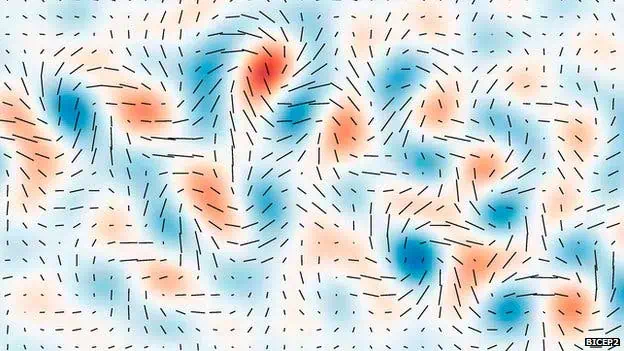
The BICEP2 experiment at the South Pole reported the first ever piece of evidence that support the cosmic inflation theory ...
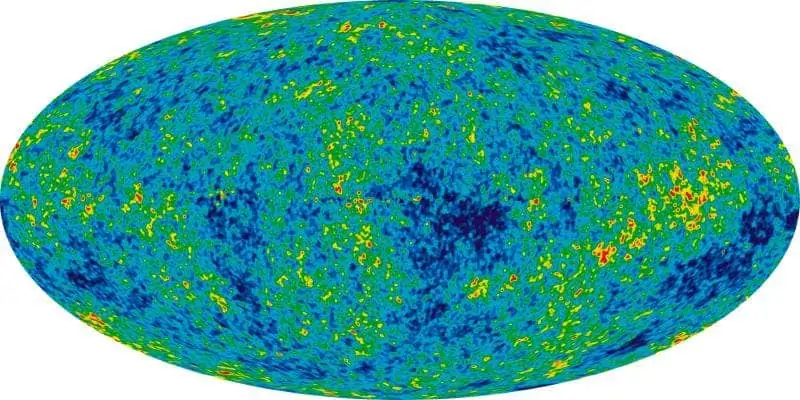
Physicists have successfully reproduced a pattern resembling the cosmic microwave background radiation in an experiment which used ultracold cesium atoms ...
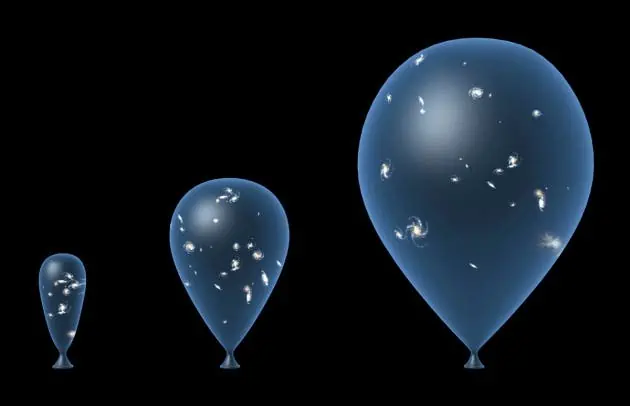
The current accepted cosmological model of the formation of the Universe states that it is expanding ever since the Big ...
Black holes are the single most interesting and puzzling objects in our Universe - that we know of. But as ...

Renowned physicist, famous for his study of black holes, galaxies and for authoring a popular book on the origin of the ...
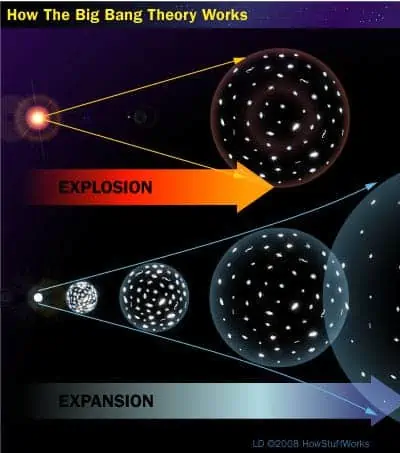
A decade ago, American physics professor John Cramer released an audio file which made history: the sound of the theorized Big ...
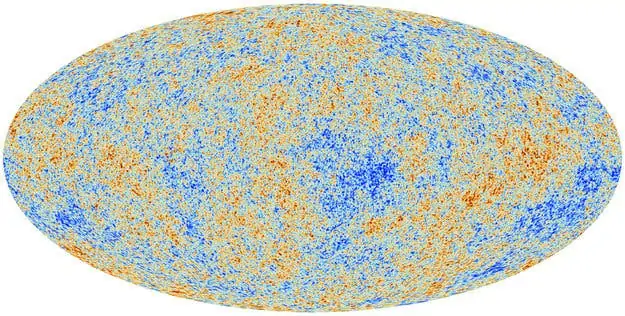
Cosmic microwave background seen by Planck. (c) ESA Using the incredible Planck cosmology probe astronomers at the European Space Agency have assembled ...

The inset at left shows a close-up of the young dwarf galaxy. This image is a composite taken with Hubble's ...
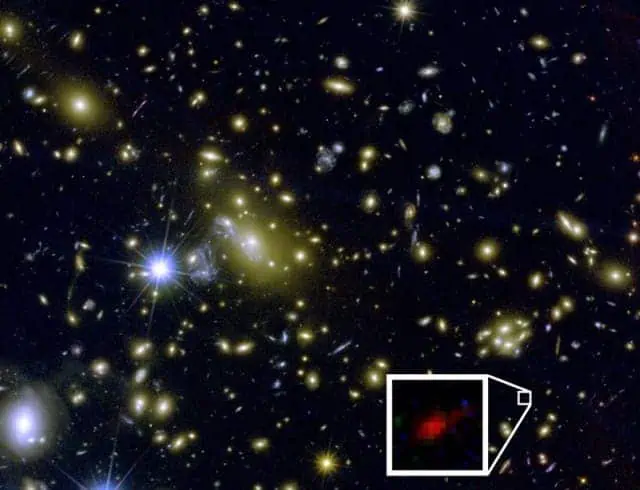
The first galaxies formed very fast after the Big Bang - in cosmic time, that is. It's estimated that the ...
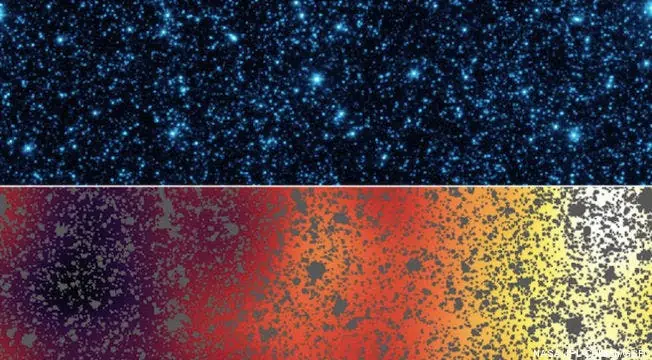
First discovered in 2005, and then studied in more depth since 2007, NASA scientists have finally isolated the ethereal glow ...
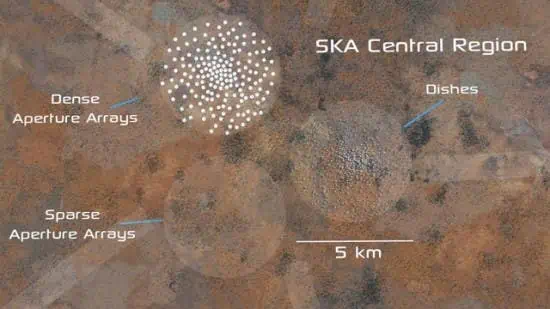
Backed by an international consortium, ten years from now the world's largest and most sensitive radio telescope in the world ...
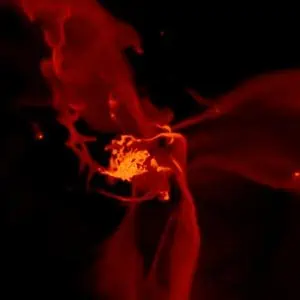
One of the fundamental backbones of the Big Bang theory states that after the rapid expansion of the Universe only ...
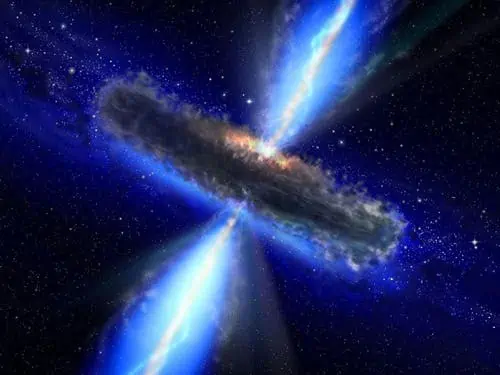
Astronomers have discovered the largest body of water so far known, a reservoir of water floating in space around a ...
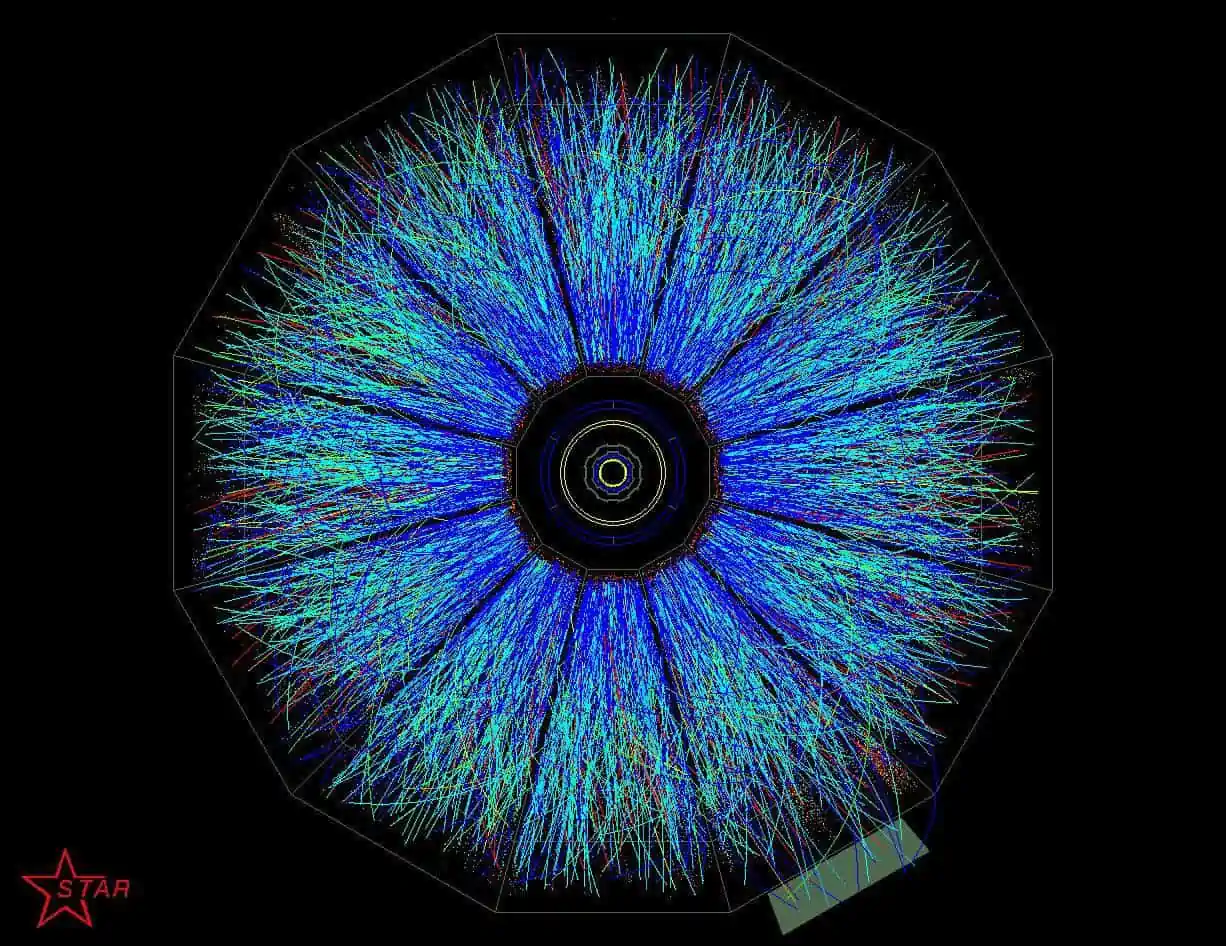
The Large Hadron Collider (LHC) continues on its quest to find out exactly what happened in the first seconds after ...
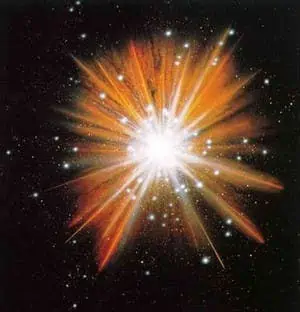
An intriguing hypothesis was brought up by Professor Bernard Carr from Queen Mary University in London and Professor Alan Coley ...
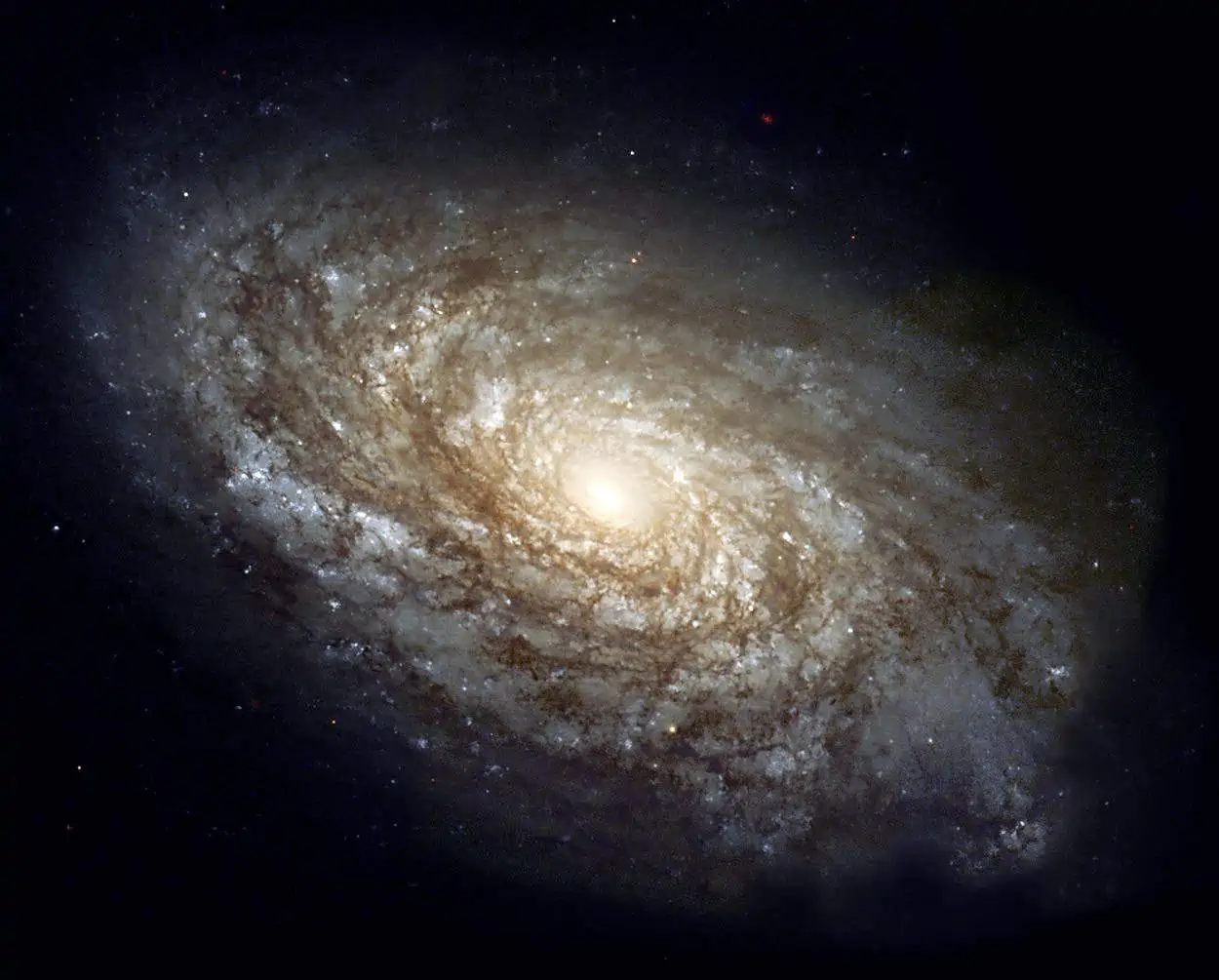
Yes, you've read that right. There are over 50 billion planets in our galaxy alone, according to the Kepler telescope, ...
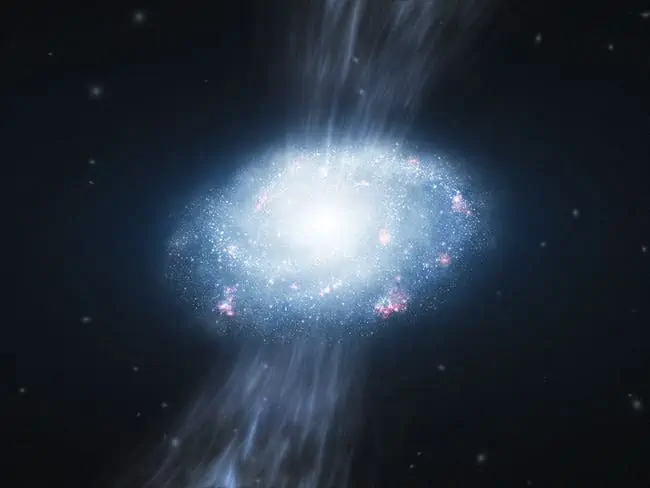
When early galaxies formed, there was a surprisingly high rate of new stars being formed, which was explained by major ...
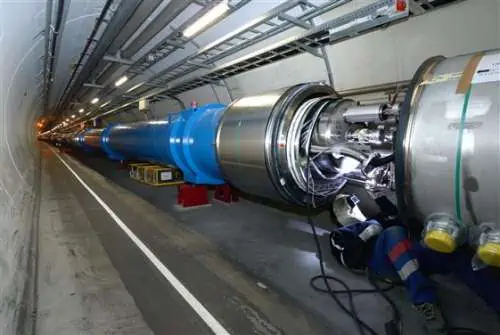
The researchers and engineers operating the Large Hadron Collider have smashed together for the first time protons, in what is ...