

Giant squids take to California
Tue, Feb 2, 2010
Post filled in: Other, World Problems
Yes ladies and gents, giant squids are all over the California beaches. Each of the squids weighs about 40 pounds, but some of them reach 60 and even more than that. I haven’t been able to find out what’s up with them, or why they gathered in such numbers, but according to scientists, this happens almost periodically, though they cannot have a totally satisfying explanation. The most plausible guess is that they’ve been brought there by a warm water current.
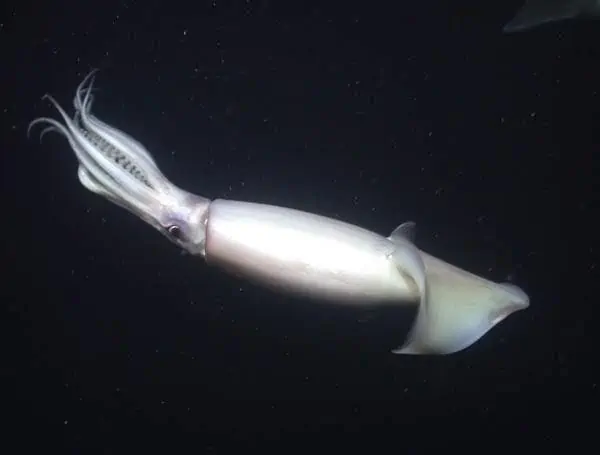
Anyway, there’s no reason to panic or anything, though you might want to avoid taking a swim this week. However, local anglers are absolutely delighted, catching them by the hundreds, and since things probably won’t change, we’re going to be talking thousands pretty soon; they also sometimes get rolled over on land, there they remain stranded and eventually end up rotting.
The searches for “giant squids” have gone through the roof, so I’m guessing a lot of people are interested or quite nervous about this. The squid in case is the Humboldt squid, also name Jumbo Squid, Jumbo Flying Squid, or Diablo Rojo (which is just Spanish for “red devil”). They rarely weight over 100 pounds, and their average lifespan is at about 1 year. Oh, they’re giant by comparison with most squids, but there others that make it pale in comparison. The biggest squid out there is (arguably) the colossal squid.

Share on Digg
Share on reddit
Bookmark to del.icio.us
Share on StumbleUpon
Share on Mixx
Share on Twitter
Share on Facebook


February 4th, 2010 at 11:39 pm
Being from California, I have, of course notified every Surfer I know and have attached the following in preparation for the Squid attack on my home State:
ROASTED GIANT CALAMARI
1 Giant (40 pound) squid or calamari
2 1/2 tsps. salt
2 1/2 tsp. freshly ground pepper
30 garlic cloves, peeled and quartered
Several bottles of Olive Oil
Clean squid with the skin left on, tentacles reserved, body left whole. Please make certain squid is dead first.
Preheat a really big oven to 425 degrees.
Wash the squid inside and out under cold running water (I recommend a swimming pool. Again, make certain squid is dead prior to attempting this); drain and pat dry using LOTS of paper towels.
Arrange the squid (body and tentacles), with the side fins spread out, on an exceptionally large oiled baking sheet. Iām thinking about 10ā x 40ā ought to about do it.
Sprinkle with the olive oil, salt and pepper. Scatter the garlic around the squid.
Cover tightly with a 12′ x 42′ piece of foil and bake on the top rack of the oven for 1 hour and 40 minutes.
Remove the foil (Remember to clean and recycle foil. If properly rolled and compressed, it should fill one large recycling dumpster).
Prick the squid on both sides with a very large fork. You may want to use some sort of gardening implement if a very large fork is not available.
Roast, uncovered, basting once or twice with the pan juices, for 2 hours and 20 minutes, or until the squid is tender and glazed.
Slice and serve hot. Serves about 80.
Seriously however, this is apparently a natural event as you say related to El Nino. We in California are not daunted. We are hopeful that most of these amazing creatures feast in our waters and move on. Not bad growth for a one year old creature. Having talked to our local squid fisherman, I’m thinking night fishing may not be recommended during this period.
February 9th, 2010 at 1:46 am
I saw a Discovery Channel or PBS show on the Humboldt Squid from ‘08 or ‘09 in which a leading researcher ascribed the huge expansion of the squid’s range to over-fishing of the top ocean predators: tuna, billed fishes, and (most of all) sharks. I’m sure climate change has something to do with it as well. Who knows? In 3 or 4 generations, there might be nothing left in the oceans other than cephalapods, jelly-fish, and bottom-feeding crustations.
February 16th, 2010 at 9:03 am
A buddy recommended me to read this post, great post, fanstatic read… keep up the cool work!